
Introduction
Alaska, with its pristine landscapes and abundant wildlife, offers one of the most exhilarating fishing experiences in the world. Alaskan salmon fishing trips are particularly popular among anglers seeking both adventure and the chance to land some of the most prized fish in North America. This blog post will delve into what you need to know about these trips, from reviews of top locations and guides to essential tips and regulations. Whether you’re a seasoned angler or a novice, this comprehensive guide will help you make the most of your Alaskan fishing adventure. For more detail, see official guidance.
Choosing the Right Location
When planning an Alaskan salmon fishing trip, the first crucial decision is selecting the right location. Alaska boasts numerous fishing spots, each offering unique opportunities and challenges. Some of the most renowned regions include:. For more detail, see further information.
- Kenai Peninsula: Known for its prolific salmon runs, the Kenai River is a favourite among anglers. The Kenai River offers a chance to catch all five species of Pacific salmon, making it a versatile choice.
- Bristol Bay: Home to the world’s largest sockeye salmon run, this area is perfect for those seeking large quantities of fish.
- Southeast Alaska: Offering scenic beauty and varied fishing options, Southeast Alaska is ideal for those who want to combine fishing with wildlife viewing. For more detail, see detailed advice.
For a deeper exploration of these locations, you might consider reading more about fishing techniques in Alaska. For more detail, see planning resources.
Types of Salmon and Seasons
Alaska is famous for its five species of Pacific salmon: Chinook (King), Coho (Silver), Sockeye (Red), Pink, and Chum. Each has its own peak season and unique characteristics:. For more detail, see local insights.
- King Salmon: The largest and often most sought after, with peak runs from May through July.
- Sockeye Salmon: Known for their vibrant colour and rich taste, they run from mid-June to mid-August.
- Coho Salmon: These are popular for fly fishing, with runs from late July to September.
Understanding the seasonality of salmon is crucial for planning your trip. For more on the best times to fish, check out the Alaska Department of Fish and Game’s fishing calendar.
Guided Trips vs. DIY Adventures
The choice between guided fishing trips and do-it-yourself (DIY) adventures often depends on your experience level and personal preferences.
- Guided Trips: These trips provide local expertise, equipment, and often higher catch rates. They are ideal for beginners or those looking for a hassle-free experience. Many guides offer tailored experiences to match your skill level and interests.
- DIY Adventures: For the more experienced angler, a self-guided trip can offer freedom and a sense of accomplishment. Resources such as self-guided fishing trips in Alaska provide valuable insights for planning.
Gear and Tackle
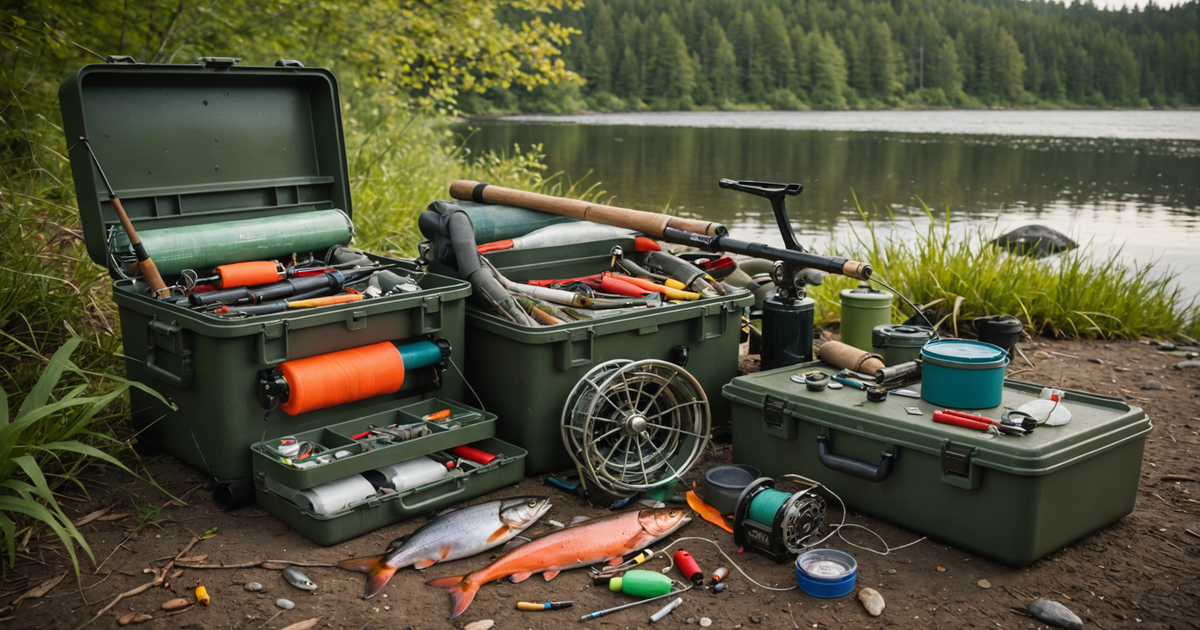
Proper gear is essential for a successful fishing trip in Alaska. The rugged terrain and unpredictable weather require durable equipment. Key items include:
- Rods and Reels: A medium-heavy rod with a sturdy reel is recommended for salmon fishing.
- Lures and Bait: Consider using high-spin salmon spinners and other popular lures to increase your chances.
- Clothing: Layered, waterproof clothing is essential to stay comfortable in Alaska’s variable climate.
For more detailed advice on tackle, visit Alaska Salmon Candy Tackle Shop.

Safety and Regulations
Fishing in Alaska requires adherence to specific safety and regulatory guidelines. The state’s vast wilderness poses risks, so preparation is key. Important considerations include:
- Fishing Licenses: Ensure you have the required fishing licenses and permits.
- Catch Limits: Familiarise yourself with current regulations and catch limits to ensure sustainable fishing practices.
- Wildlife Safety: Be aware of local wildlife, including bears and moose, and follow safety guidelines to avoid encounters.
Accommodation and Travel Tips
Planning your accommodation and travel logistics is an integral part of your fishing trip. Options range from rustic lodges and campsites to luxury cabins and hotels. Consider these tips for a smooth journey:
- Lodging: Book well in advance, especially during peak fishing seasons. Many lodges offer packages that include meals and guided fishing trips.
- Transportation: Alaska’s remote fishing spots often require a combination of flights, boats, and ground transport. Research and plan your routes ahead of time.
For further insights into travel planning, explore Alaska travel tips.
Conclusion
An Alaskan salmon fishing trip promises unmatched adventure, stunning landscapes, and the thrill of the catch. Whether you choose a guided excursion or a self-directed journey, the key to a successful trip lies in thorough preparation and an understanding of local conditions. By carefully selecting your location, timing, and gear, and respecting local regulations, you can ensure a memorable and rewarding experience.
FAQ
What is the best time of year for salmon fishing in Alaska?
The peak season for salmon fishing in Alaska varies by species. Generally, the best time is from May to September, with specific runs peaking at different times.
Do I need a fishing license for a guided trip?
Yes, all anglers, including those on guided trips, are required to have a valid fishing license in Alaska.
Can beginners go on Alaskan salmon fishing trips?
Absolutely. Many guided trips are tailored for beginners and provide all necessary equipment and instruction.
What should I pack for an Alaskan fishing trip?
Essential items include layered waterproof clothing, sturdy footwear, and appropriate fishing gear. Check out Alaska Salmon Candy Tackle Shop for tackle recommendations.
Are there any restrictions on what salmon I can keep?
Yes, Alaska has specific regulations regarding catch limits and the size of salmon you can keep. Ensure you are familiar with these regulations before your trip.
What are the best fishing techniques for catching salmon in Alaska?
Techniques vary by salmon species, but popular methods include fly fishing, trolling, and using plug fishing lures.
Is wildlife a concern while fishing in Alaska?
Yes, Alaska’s wilderness is home to various wildlife, including bears. It’s essential to follow safety guidelines and stay informed about potential wildlife encounters.