
Introduction
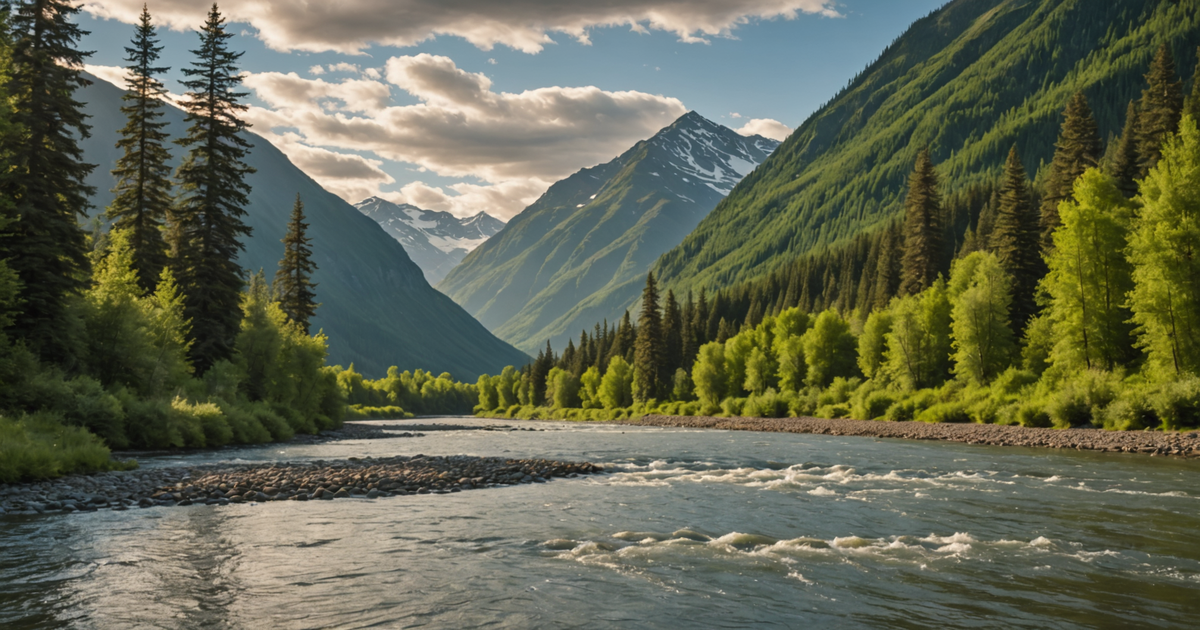
The Alaskan salmon run is one of nature’s most awe-inspiring phenomena, attracting anglers and wildlife enthusiasts from around the globe. During peak season, rivers teem with various salmon species making their way upstream to spawn. This natural event not only supports Alaska’s rich biodiversity but also provides fantastic opportunities for recreational fishing. In this comprehensive guide, we will explore the intricacies of the Alaskan salmon run, the best times to visit, and how to book your ideal guided fishing trips. For more detail, see official guidance.
Understanding the Alaskan Salmon Run
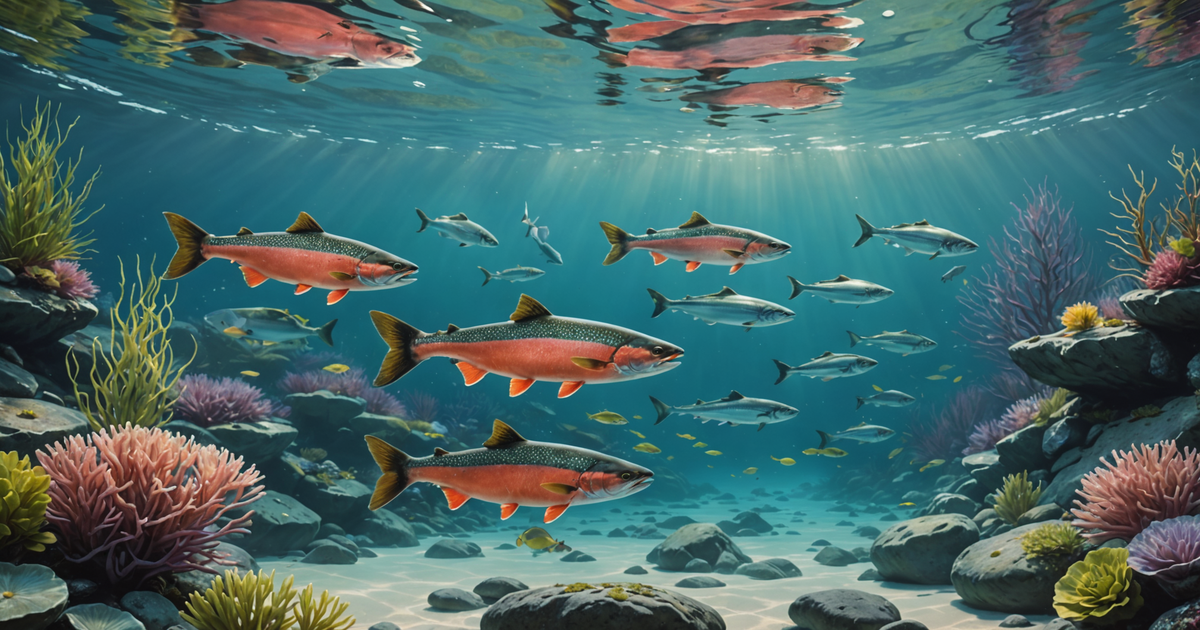
The salmon run in Alaska is a vital ecological process that involves millions of salmon migrating from the ocean to their freshwater spawning grounds. This journey is crucial for the survival of the species and plays a significant role in the ecosystem. For more detail, see further information.
Key Species of Salmon. For more detail, see detailed advice.
Alaska boasts five primary species of Pacific salmon: Chinook (King), Sockeye (Red), Coho (Silver), Pink (Humpy), and Chum (Dog). Each species has its unique characteristics, size, and preferred habitat. For example, the Chinook salmon, known for its size and strength, is a prized catch among anglers. Understanding the differences between these species can enhance your fishing experience. For more detail, see planning resources.
Peak Season Timing. For more detail, see local insights.
The timing of the salmon run varies depending on the species and the location. Generally, the peak season occurs from May to September, with specific runs peaking at different times. For instance, the Sockeye salmon run is typically strongest in June and July, whereas Coho salmon peak from August to September. Planning your trip around these peak times can significantly increase your chances of a successful catch.
Planning Your Fishing Trip
Organising a fishing trip during the Alaskan salmon run requires careful planning to ensure a successful and enjoyable experience.
Choosing the Right Location
Alaska offers numerous fishing locations, each with its unique charm and fishing opportunities. Popular destinations include the Kenai Peninsula, Bristol Bay, and the Copper River. For those seeking a more remote adventure, consider exploring the interior rivers where fewer crowds allow for a more intimate experience with nature.
Booking a Guided Fishing Tour
To maximise your fishing experience, consider booking a guided fishing tour. Professional guides offer valuable insights into local conditions, provide necessary equipment, and enhance your understanding of salmon behaviour. Check out all guided fishing tours for a variety of options tailored to different skill levels and interests.
Essential Gear and Tackle
Having the right gear is crucial for a successful fishing trip. This includes selecting the appropriate rods, reels, and lures. For beginners, understanding the best salmon jigs for rivers and tides can make a significant difference. Seasoned anglers may prefer custom setups using insights from fish jig head sizes and setups explained.
Regulations and Conservation
Fishing in Alaska is subject to strict regulations to ensure sustainable practices and conservation of the salmon population. It is essential to familiarise yourself with the sport fishing regulations in Alaska before embarking on your trip. These rules govern catch limits, gear restrictions, and permit requirements. Adhering to these regulations helps preserve the ecosystem for future generations.
Conclusion
The Alaskan salmon run is a breathtaking natural event that offers unparalleled fishing opportunities. Whether you’re a seasoned angler or a novice looking to experience this unique adventure, planning your trip around the peak season can enhance your experience. By understanding the different salmon species, choosing the right location, and adhering to regulations, you can enjoy a memorable and sustainable fishing journey in Alaska.
FAQ
What is the best time to experience the Alaskan salmon run?
The best time to experience the Alaskan salmon run is during the peak season from May to September, with specific species peaking at different times. For example, Sockeye salmon peak in June and July, while Coho salmon are more abundant in August and September.
Which species of salmon can I catch during the run?
Alaska is home to five primary species of salmon: Chinook, Sockeye, Coho, Pink, and Chum. Each species has its unique characteristics and peak run times, providing diverse fishing opportunities.
How do I book a guided fishing trip in Alaska?
Booking a guided fishing trip can be done through various tour operators. For a comprehensive list and options, visit all guided fishing tours.
What gear do I need for salmon fishing in Alaska?
Essential gear includes rods, reels, and appropriate lures. For insights on the best tackle, you can explore best salmon jigs for rivers and tides.
Are there regulations I need to follow while fishing in Alaska?
Yes, fishing in Alaska is regulated to ensure sustainability. Familiarise yourself with the sport fishing regulations to comply with catch limits, gear restrictions, and permit requirements.
Can I go fishing on my own, or do I need a guide?
While you can fish independently, hiring a guide can greatly enhance your experience by providing local knowledge, equipment, and insights into the best fishing spots.
What is the significance of the salmon run in Alaska?
The salmon run is a crucial ecological event that supports Alaska’s biodiversity, provides a food source for wildlife, and is a vital part of indigenous cultural heritage.
How can I ensure my fishing trip is environmentally friendly?
To ensure an environmentally friendly trip, follow catch-and-release practices where applicable, respect wildlife, and adhere to all local regulations. Consider using eco-friendly tackle and minimise your impact on the environment.