
Introduction
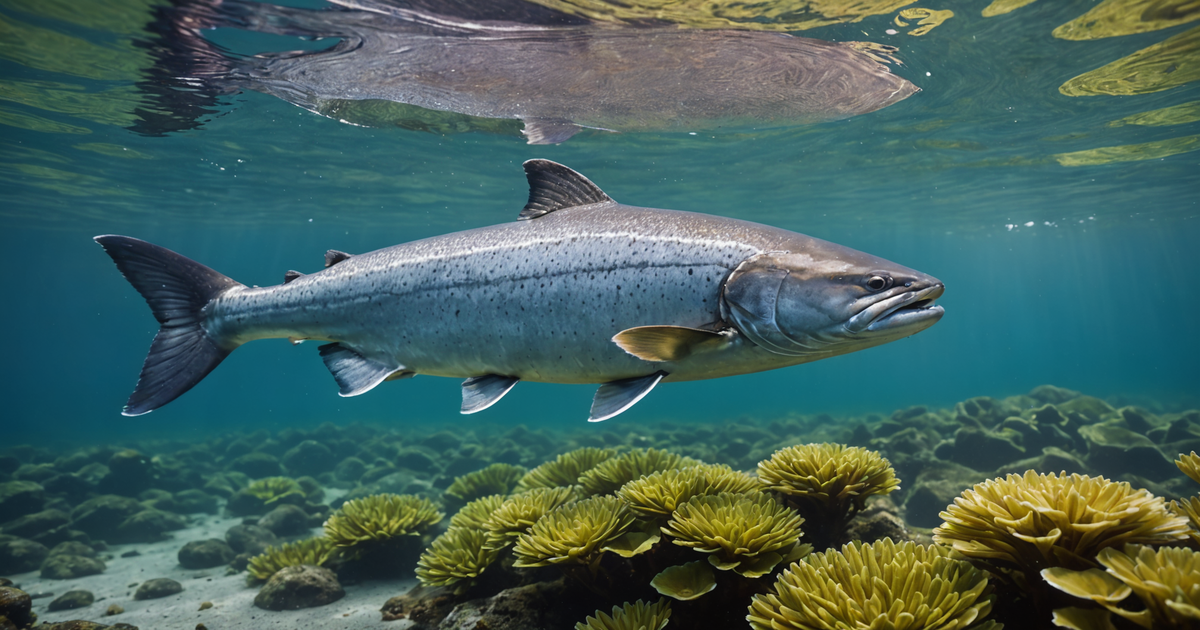
The majestic King Salmon, also known as Chinook Salmon, is the largest of the Pacific salmon species and is a sought-after prize for anglers worldwide. Not only do these fish hold significant ecological and cultural importance, but they also present a thrilling challenge for those keen on sport fishing. In the pristine waters of Alaska, King Salmon reign supreme, offering anglers the chance to encounter these giants in their natural habitat. But what is the average weight of a King Salmon, and what factors contribute to this? This blog post will explore these questions, providing a comprehensive guide to understanding King Salmon and fishing in Alaska. For more detail, see official guidance.
Understanding King Salmon
King Salmon, or Oncorhynchus tshawytscha, can be found in the northern Pacific Ocean, from California to Alaska, and even in parts of Asia. These fish are known for their remarkable size, strength, and rich flavour, making them a favourite among both commercial and recreational fishers. Their lifecycle is fascinating, involving a journey from freshwater rivers to the ocean and back again for spawning. For more detail, see further information.
The Average Weight of King Salmon. For more detail, see detailed advice.
The average weight of a King Salmon varies significantly based on several factors, including age, habitat, and diet. Typically, a King Salmon weighs between 10 and 50 pounds, but larger specimens are not uncommon. In Alaska, it is not unusual for anglers to catch King Salmon weighing over 60 pounds, with the occasional behemoth tipping the scales at over 100 pounds. For more detail, see planning resources.
-
Age and Growth: King Salmon grow rapidly, with most reaching maturity at ages three to seven. The longer a salmon stays in the ocean, the larger it is likely to become. This extended period allows them to feed and grow larger before returning to their natal rivers to spawn. For more detail, see local insights.
-
Geographical Variation: The weight of King Salmon can also vary depending on their geographic location. Alaskan waters, rich in nutrients and food sources, often produce larger salmon compared to those found further south.
-
Diet and Environment: A King Salmon’s diet consists mainly of smaller fish, squid, and crustaceans. The availability and abundance of prey in their oceanic environment significantly influence their growth and size.
Fishing for King Salmon in Alaska
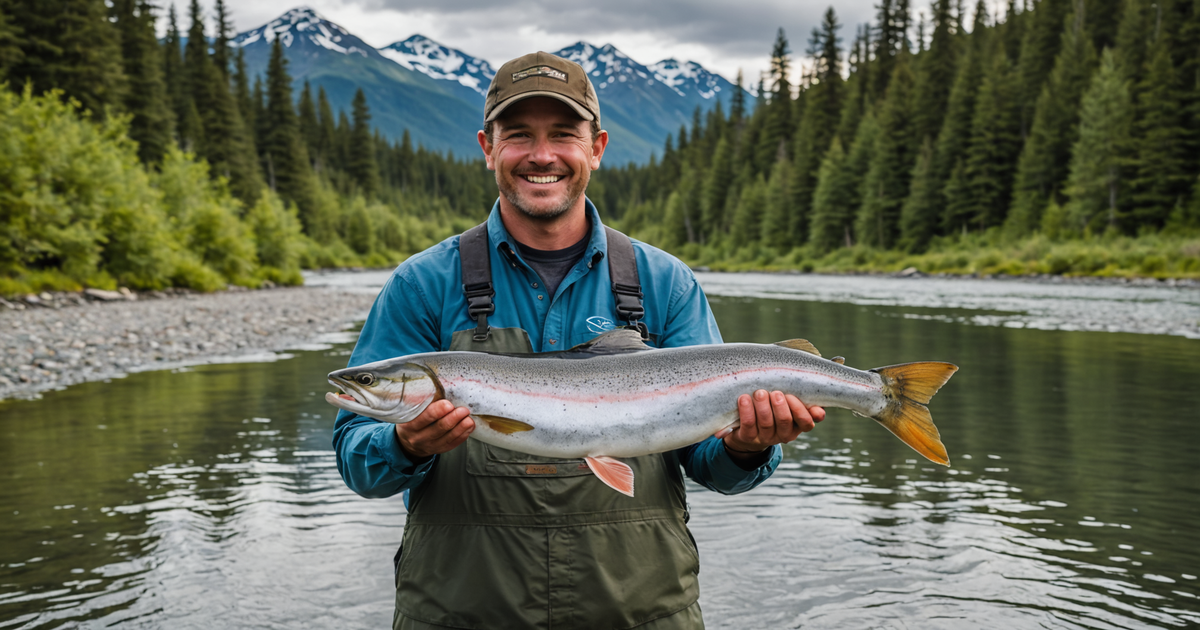
Alaska is renowned for its exceptional fishing opportunities, and King Salmon are no exception. The state’s vast and diverse waterways offer prime locations for catching these legendary fish. Whether you’re an experienced angler or a novice, understanding the best times and techniques for fishing King Salmon can enhance your experience.
Best Times to Fish
The peak season for King Salmon fishing in Alaska typically runs from May through July. However, some regions may offer opportunities earlier or later, depending on local regulations and salmon runs. It is essential to consult local guides and resources to ensure compliance with regulations and maximise your chances of a successful catch.
Techniques and Gear
Successful King Salmon fishing requires the right gear and techniques. Anglers often use trolling, drift fishing, or fly fishing methods. Selecting the best salmon jigs and lures can be crucial, and local fishing guides are invaluable for advice tailored to specific locations.
Conservation and Regulations
Alaska’s fishing regulations are designed to ensure the sustainability of salmon populations. Anglers must adhere to guidelines set by the Alaska Department of Fish and Game and the NOAA Fisheries. Catch limits, gear restrictions, and seasonal closures are just a few measures in place to protect these valuable fish.
Conclusion
The King Salmon is a symbol of the wild beauty and abundance of Alaska, offering an unparalleled experience for anglers. Understanding the average weight of King Salmon and the factors affecting their size can enhance your fishing adventure. With the right preparation, equipment, and respect for conservation efforts, fishing for King Salmon in Alaska can be a rewarding and unforgettable experience.
FAQ
1. What is the largest King Salmon ever caught?
The largest recorded King Salmon weighed 126 pounds and was caught in the Kenai River, Alaska, in 1985.
2. How can I improve my chances of catching a large King Salmon?
Using the right gear and techniques, such as trolling with high-spin salmon spinners, can increase your chances. Consulting with guided fishing tours can also provide valuable insights.
3. Are King Salmon populations at risk?
While some populations are healthy, others are threatened by overfishing, habitat loss, and climate change. It’s crucial to follow sustainable fishing practices to help maintain their numbers.
4. What are the best locations in Alaska for King Salmon fishing?
The Kenai Peninsula is renowned for King Salmon fishing, along with the Nushagak and Kasilof Rivers. Local travel guides can provide additional recommendations.
5. What gear is essential for King Salmon fishing?
A robust fishing rod, a durable reel, and appropriate lures or jigs are essential. For river fishing, learning how to fish with Brad’s Super Baits can be particularly effective.
6. How do King Salmon differ from other salmon species?
King Salmon are the largest of the Pacific salmon species and are known for their high-fat content and distinctive taste. They also have a longer lifecycle compared to other salmon.
7. Can I fish for King Salmon year-round in Alaska?
Fishing availability varies by region and is subject to seasonal closures. Always check current regulations before planning your trip.
8. What other activities can I enjoy in Alaska besides fishing?
Alaska offers a range of recreational activities, from dog sledding tours to exploring the stunning Southern Glaciers. A visit to this majestic state can be as diverse as it is thrilling.