
Introduction
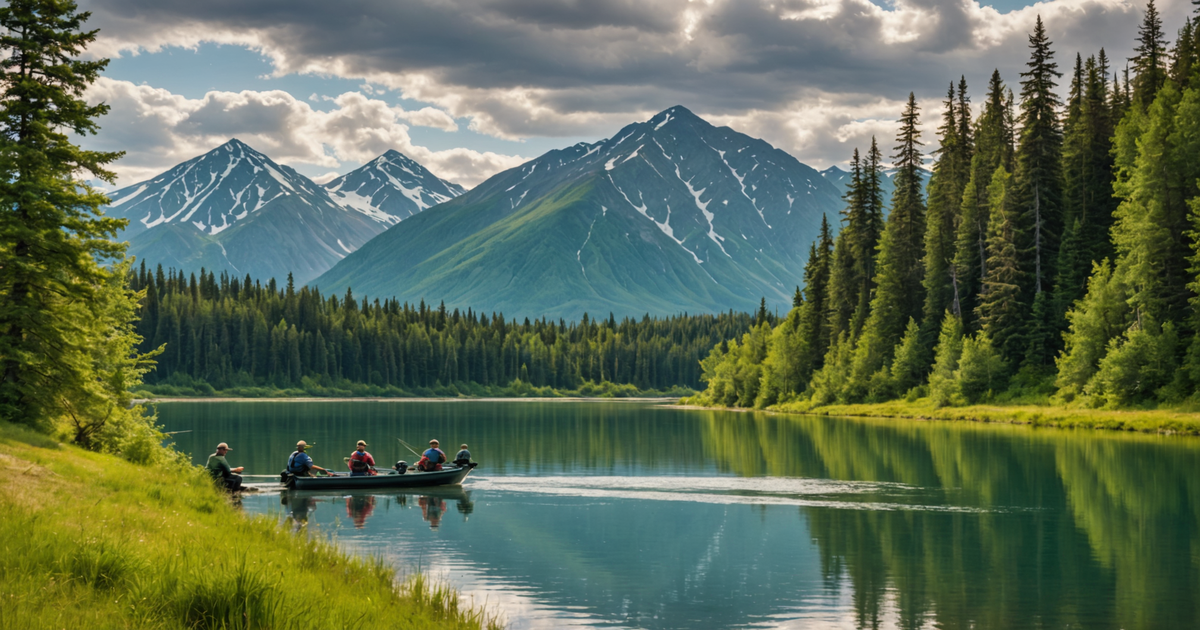
Alaska, with its vast wilderness and abundant marine life, offers some of the best halibut fishing opportunities in the world. For anglers seeking to catch this prized flatfish, timing is everything. Understanding the best time for halibut fishing in Alaska can significantly increase your chances of success. This comprehensive guide will explore the ideal months for halibut fishing, including tips on tides, depth, and essential fishing techniques. Whether you are a seasoned angler or planning your first Alaskan fishing adventure, this guide will provide valuable insights to enhance your fishing experience. For more detail, see official guidance.
Optimal Months for Halibut Fishing
The best time for halibut fishing in Alaska generally spans from May to September. These months align with the peak tourist season, providing favourable weather conditions and abundant fish stocks. During this period, halibut migrate closer to the shore, making them more accessible to anglers. For more detail, see further information.
May to June: Early Season Fishing. For more detail, see detailed advice.
The early season, from May to June, offers excellent fishing opportunities as halibut begin migrating from deeper waters to shallower coastal areas. The cooler water temperatures during this time attract halibut, increasing their feeding activity. Anglers can expect a good catch rate, particularly in areas like the Kenai Peninsula, known for its rich marine biodiversity. For more information on fishing in this region, visit our Kenai Peninsula page. For more detail, see planning resources.
July to August: Prime Fishing Months. For more detail, see local insights.
July and August are considered the prime months for halibut fishing in Alaska. The moderate weather, extended daylight hours, and abundant fish make this period ideal for both recreational and professional anglers. Many fishing charters operate during these months, offering guided trips to some of the best fishing spots. For those interested in a guided experience, our guided salmon fishing in Alaska page offers valuable insights.
September: Late Season Opportunities
As the season progresses into September, halibut fishing opportunities remain strong. Although the weather can be more unpredictable, the reduced number of anglers and the presence of larger fish make September an attractive choice for those seeking a less crowded experience. The cooler waters at this time of year can also result in increased halibut activity, as the fish prepare for winter.
Understanding Tides and Depth
Tides play a crucial role in halibut fishing, influencing the movement and feeding patterns of fish. Understanding how to read and interpret tidal charts can significantly enhance your fishing success.
Tidal Influence
Halibut are bottom-dwelling fish that feed more actively during tidal movements. The best time to fish is during slack tide, which occurs between high and low tides when the water is relatively still. During slack tides, halibut are more likely to be actively feeding, increasing your chances of a successful catch. For more on fishing techniques, visit our fishing techniques section.
Ideal Fishing Depths
Halibut can be found at various depths, typically ranging from 50 to 200 feet. However, during peak feeding times, they may move to shallower waters. Using a fish finder can help locate the optimal fishing depth for halibut, maximising your catch potential.
Essential Fishing Techniques and Gear
To maximise your halibut fishing experience, it is essential to be equipped with the right gear and techniques. Here are some tips to ensure a successful fishing trip:
Gear Recommendations
- Rods and Reels: A heavy-duty rod and reel setup capable of handling large fish and deep waters is essential for halibut fishing.
- Bait: Popular baits include herring, squid, and octopus. Fresh bait is crucial for attracting halibut.
- Hooks and Lines: Use circle hooks and braided lines for better hook sets and to withstand the strength of large halibut.
Fishing Techniques
- Drift Fishing: This technique involves drifting with the current while keeping your bait near the bottom. It is effective in covering large areas and locating active fish.
- Jigging: Using heavy jigs to mimic the movement of prey can entice halibut to bite. For more information on effective jigging techniques, check out our article on best salmon jigs for rivers and tides.
Conclusion
Understanding the best time for halibut fishing in Alaska is key to a successful angling adventure. By planning your trip between May and September and considering factors such as tides and fishing techniques, you can enhance your chances of reeling in a prized halibut. Whether you are a seasoned angler or a beginner, Alaska’s rich fishing opportunities and stunning landscapes promise an unforgettable experience. For more on planning your Alaska fishing trip, visit Travel Alaska.
FAQ
What is the best time for halibut fishing in Alaska?
The best time for halibut fishing in Alaska is from May to September, with July and August being the prime months.
How do tides affect halibut fishing?
Tides influence halibut movement and feeding patterns. The best time to fish is during slack tide when water movement is minimal.
What is the ideal depth for catching halibut?
Halibut can be found at depths ranging from 50 to 200 feet, with variations depending on the time of year and tidal movements.
What gear is recommended for halibut fishing?
A heavy-duty rod and reel, fresh bait like herring or squid, and circle hooks are recommended for successful halibut fishing.
Can I fish for halibut without a guide in Alaska?
Yes, you can fish without a guide, but hiring a charter or guide can enhance your experience by providing local knowledge and access to top fishing spots.
Are there regulations for halibut fishing in Alaska?
Yes, regulations include size limits, bag limits, and specific seasons. It is crucial to check the Alaska Department of Fish and Game for current regulations.
What are some sustainable practices for halibut fishing?
Practices include catch and release, using sustainable bait, and adhering to size and bag limits. For more, visit our sustainable practices section.
Where can I find more information about fishing in Alaska?
For comprehensive information, visit Fish Alaska Magazine and our articles section for expert advice and tips.