
Introduction
Alaska, with its sprawling wilderness and pristine rivers, is a dream destination for anglers worldwide. Known for its abundant salmon species, the state offers opportunities to catch Chinook (King), Coho (Silver), Sockeye (Red), Pink (Humpy), and Chum (Dog) salmon. However, timing is crucial when planning a fishing trip, as the salmon runs vary throughout the year. In this guide, we will delve into the best time to fish for salmon in Alaska, considering run timings and river conditions. Whether you’re a seasoned angler or a novice, understanding these factors can significantly enhance your fishing experience. For more detail, see official guidance.
Understanding Salmon Run Timing
Alaska’s salmon runs are as diverse as its landscapes. Each salmon species migrates at different times, influenced by their biological cycles and environmental conditions. Here’s a breakdown of the typical run timings:. For more detail, see further information.
Chinook (King) Salmon. For more detail, see detailed advice.
Chinook salmon, regarded as the most prized catch due to their size, typically begin their run from late May through July. The Kenai River is renowned for its large Chinook populations, drawing anglers from across the globe. For those seeking a guided experience, consider exploring guided salmon fishing in Alaska for a seamless adventure. For more detail, see planning resources.
Sockeye (Red) Salmon. For more detail, see local insights.
Sockeye salmon runs are impressive spectacles, often peaking in July. These fish are known for their vibrant red coloration and are commonly found in rivers linked to large lake systems, such as the Bristol Bay area. For more insights into planning your fishing trip, visit Travel Alaska’s fishing guide.
Coho (Silver) Salmon
Coho salmon are known for their acrobatic behaviour and aggressive strikes, making them a favourite among sport fishers. Their run typically starts in late July and extends through September. Areas like the Silver Salmon Creek offer excellent opportunities to catch these spirited fish.
Pink (Humpy) Salmon
Pink salmon, the most abundant species, run in even-numbered years and are best pursued from mid-July to mid-August. While often overlooked due to their smaller size, they provide a fun and fast-paced fishing experience.
Chum (Dog) Salmon
Chum salmon run from mid-June to mid-August. Known for their strong fight, they are most prevalent in the Yukon and Kuskokwim river systems.

Key Factors Affecting Salmon Fishing
Aside from run timings, several environmental and logistical factors can influence the quality of your salmon fishing experience in Alaska.
River Conditions
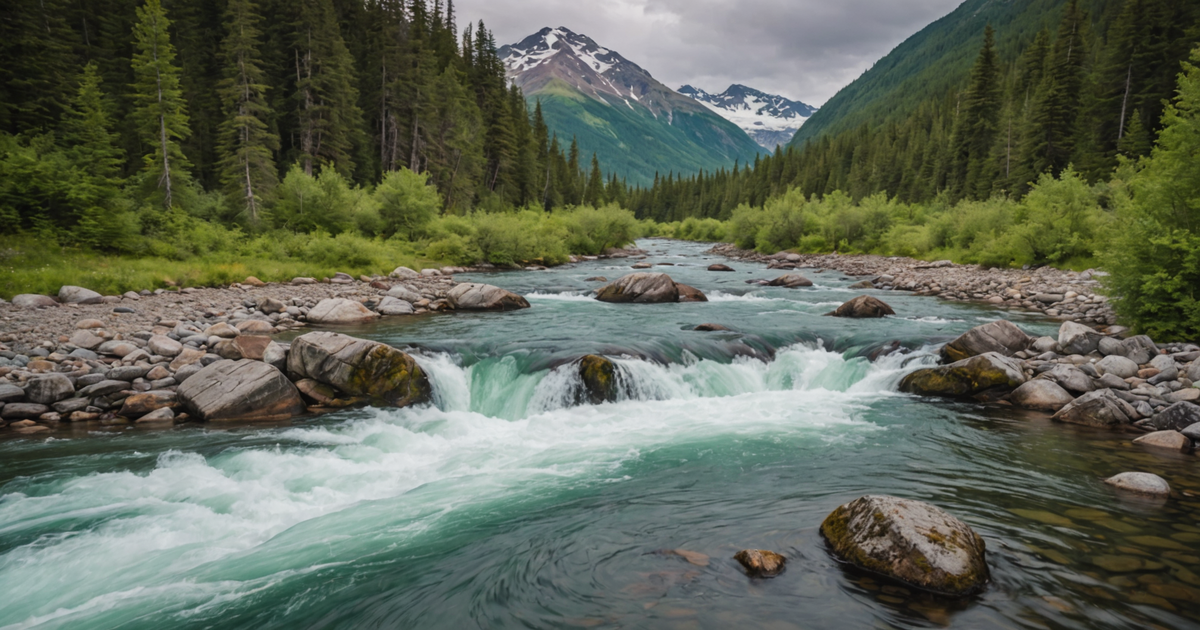
Alaska’s river conditions can vary significantly due to weather patterns and seasonal changes. It’s essential to check current river levels and temperatures, as these can affect salmon behaviour. The National Weather Service provides up-to-date information on weather and river conditions to help plan your fishing days.
Tides and Water Clarity
Tidal influences can play a crucial role, especially in coastal rivers. Salmon often time their runs with incoming tides, which can bring them closer to shore. Additionally, water clarity can affect visibility and salmon behaviour. Clearer waters tend to be more productive for sight fishing, a technique discussed in this Fulling Mill blog.
Fishing Regulations
Understanding and adhering to Alaska’s fishing regulations is vital. Regulations can vary by location, species, and time of year. Ensure you have the necessary permits and are aware of catch limits and legal fishing methods.
Conclusion
Fishing for salmon in Alaska is an unparalleled experience, combining the thrill of the catch with the backdrop of some of the most beautiful sceneries on Earth. By aligning your trip with peak salmon runs and paying attention to environmental conditions, you can maximise your chances of a successful fishing venture. Whether you’re casting in the Kenai River for a mighty King or chasing Silvers in the coastal waters, Alaska promises an adventure like no other. For additional tips and guided tours, check out the resources available on Alaska Adventure Guides.
FAQ
When is the best time to fish for King salmon in Alaska?
The best time to fish for King salmon in Alaska is from late May through July, with the Kenai River being a prime location.
What is the peak time for Sockeye salmon runs?
Sockeye salmon runs typically peak in July, particularly in regions like Bristol Bay.
Are there specific regulations for fishing Coho salmon?
Yes, fishing regulations can vary, so it is crucial to consult Alaska’s fishing regulations for specific guidelines on Coho salmon.
How do tides affect salmon fishing in Alaska?
Tides can significantly impact salmon fishing, especially in coastal rivers, as salmon often move with incoming tides.
What gear is recommended for fishing Pink salmon?
For Pink salmon, lighter tackle is recommended due to their smaller size, allowing for a more enjoyable fight.
Can I fish for salmon year-round in Alaska?
Salmon fishing is seasonal, and each species has specific run times. Winter months are generally not suitable for salmon fishing, but other species like Northern Pike can be targeted through ice fishing.
What is the best way to prepare for a salmon fishing trip in Alaska?
Preparation involves understanding the run timings, checking river conditions, and acquiring the necessary permits. Engaging with local guides can also enhance your experience.
Is guided fishing available for all salmon species in Alaska?
Yes, guided fishing is available for all species, providing expertise and equipment for a successful outing. You can explore various options through Alaska Adventure Guides.