
Introduction
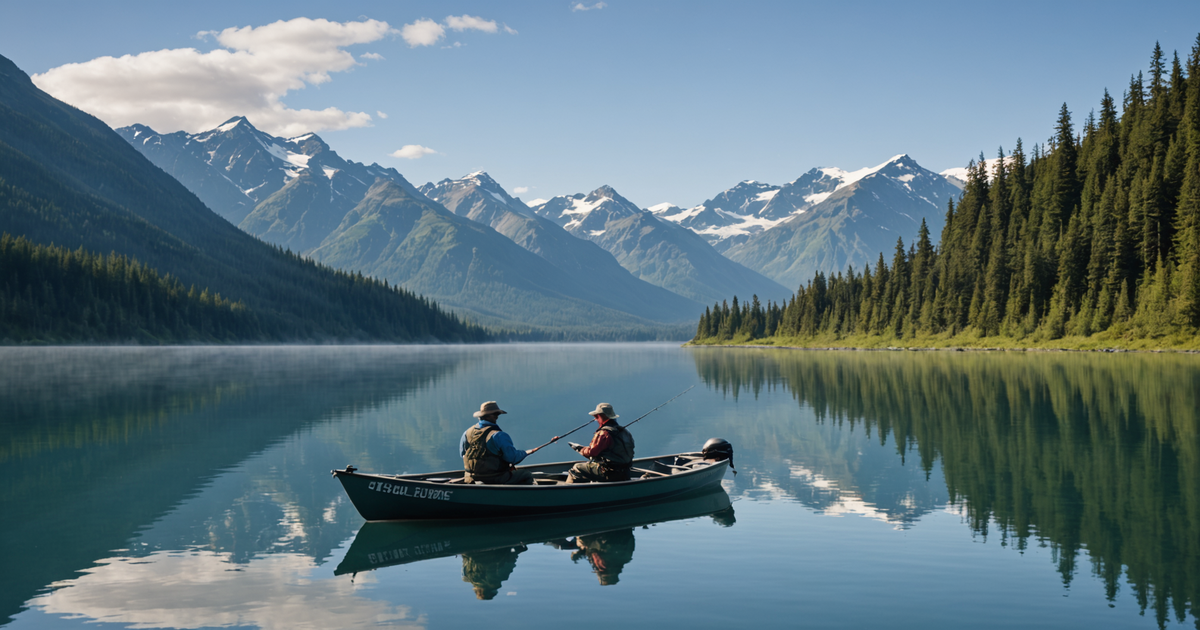
Nestled in the heart of the Matanuska-Susitna Valley, Big Lake, Alaska, is a paradise for anglers seeking the thrill of pike fishing. Just an hour’s drive from Anchorage, this expansive body of water offers enthusiasts the chance to catch the elusive northern pike, renowned for their size and ferocity. For those looking to maximise their fishing experience, guided trips provide expert knowledge and unparalleled access to the best spots on the lake. This blog post will delve into everything you need to know about pike fishing in Big Lake, Alaska, from the best techniques to the benefits of guided excursions. For more detail, see official guidance.
Why Choose Big Lake for Pike Fishing?
Big Lake is a natural choice for pike fishing aficionados. Spanning over 3,000 acres, it offers diverse habitats that are perfect for these predatory fish. The lake’s rich biodiversity, combined with its proximity to Anchorage, makes it a convenient yet remote destination. The Alaska Department of Fish and Game (ADFG) ensures the conservation of fish populations, making it an ideal spot for sustainable fishing practices. For more detail, see further information.
The Appeal of Northern Pike. For more detail, see detailed advice.
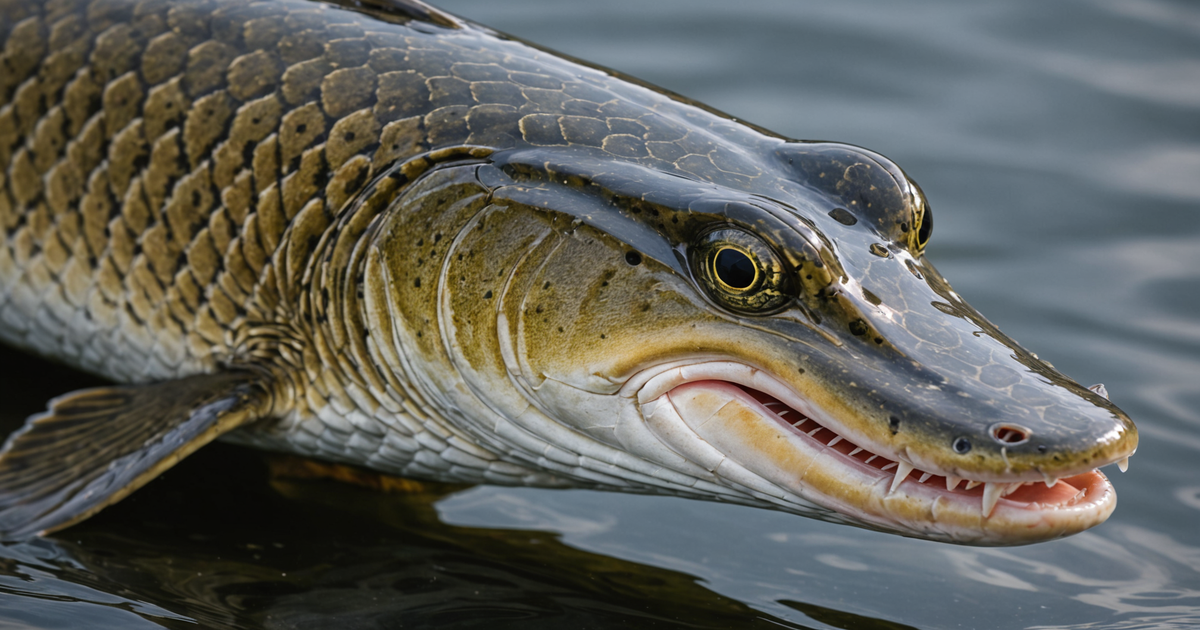
Northern pike are not only a challenging catch due to their elusive nature, but they also put up a thrilling fight, making them a popular target for sport fishers. Known for their aggressive behaviour and sharp teeth, pike can grow to impressive sizes in the waters of Big Lake. For those new to pike fishing or looking to enhance their skills, high-spin salmon spinners and other specialised lures are highly recommended. For more detail, see planning resources.
Guided Pike Fishing Trips
Opting for a guided fishing trip in Big Lake can transform a good fishing outing into a great one. Expert guides have an intimate knowledge of the lake’s topography and fish behaviour, which significantly increases your chances of a successful catch. For more detail, see local insights.
Benefits of a Guided Experience
-
Local Expertise: Guides possess an in-depth understanding of the lake’s conditions and the best spots for pike fishing. Their experience can be invaluable, particularly for those unfamiliar with the area.
-
Safety and Equipment: Providing the necessary equipment and ensuring safety is a top priority for guides, allowing anglers to focus solely on the thrill of the catch.
-
Educational Value: Learn about the local ecosystem and the best fishing techniques from seasoned professionals. For more insights into fishing techniques, check out our recreational fishing guides.
Techniques for Successful Pike Fishing
Pike fishing requires a blend of patience, skill, and the right gear. Here are some tips to enhance your experience:
Bait and Lures
Northern pike are predatory and respond well to lures that mimic their natural prey. Large spoons, spinnerbaits, and jerkbaits are effective choices. The use of best plug fishing lures can also increase your chances of attracting these aggressive fish.
Optimal Fishing Times
Early morning and late evening are traditionally the best times for pike fishing, as these are the hours when they are most active. However, pike can be caught throughout the day, especially during overcast weather conditions.
Techniques and Strategies
Employing a slow retrieve with intermittent pauses can entice a pike to strike. Experimenting with different retrieval speeds and patterns can also yield successful results. For more advanced techniques, explore our resources on fishing techniques.
Planning Your Trip
Planning a pike fishing trip to Big Lake involves considering several factors, from weather conditions to fishing regulations.
Weather Considerations
Alaska’s weather can be unpredictable, so it’s crucial to check the National Weather Service before heading out. Dressing in layers and preparing for sudden changes in weather will ensure a comfortable and safe fishing experience.
Understanding Fishing Regulations
Familiarising yourself with local fishing regulations is vital. The Alaska Department of Fish and Game provides up-to-date information on licensing requirements and catch limits, ensuring that fishing activities are both legal and sustainable.
Conclusion
Big Lake, Alaska, offers a premier pike fishing experience that is both challenging and rewarding. Whether you are a seasoned angler or a novice, the combination of beautiful scenery, abundant wildlife, and the thrill of the catch makes this destination a must-visit. Opting for a guided trip ensures that you make the most of your adventure, with expert advice and insider knowledge enhancing your chances of success.
FAQ
What is the best time of year for pike fishing in Big Lake, Alaska?
The prime time for pike fishing in Big Lake is during the summer months, from June to August, when the weather is most favourable.
Do I need a fishing licence to fish in Big Lake?
Yes, a fishing licence is required to fish in Alaska. You can obtain one through the Alaska Department of Fish and Game.
What equipment do I need for pike fishing?
Essential equipment includes a sturdy rod and reel, appropriate lures or bait, and safety gear. Guided trips often provide the necessary equipment.
Are there other fishing opportunities near Big Lake?
Yes, the region offers diverse fishing experiences, including trout and grayling fishing, which are popular in nearby waters.
How can I book a guided fishing trip on Big Lake?
You can arrange a guided trip by contacting local outfitters or through online platforms like Alaska Adventure Guides.
What are some other activities to enjoy in the Big Lake area?
Apart from fishing, the area offers a range of recreational activities, including hiking, kayaking, and wildlife observation.
Is catch-and-release fishing practiced in Big Lake?
Yes, many anglers practise catch-and-release to preserve fish populations. It’s important to handle fish carefully to ensure their survival upon release.
Can I fish in Big Lake during winter?
Yes, ice fishing is a popular winter activity on Big Lake. For more information, visit our ice fishing guide.