
Introduction
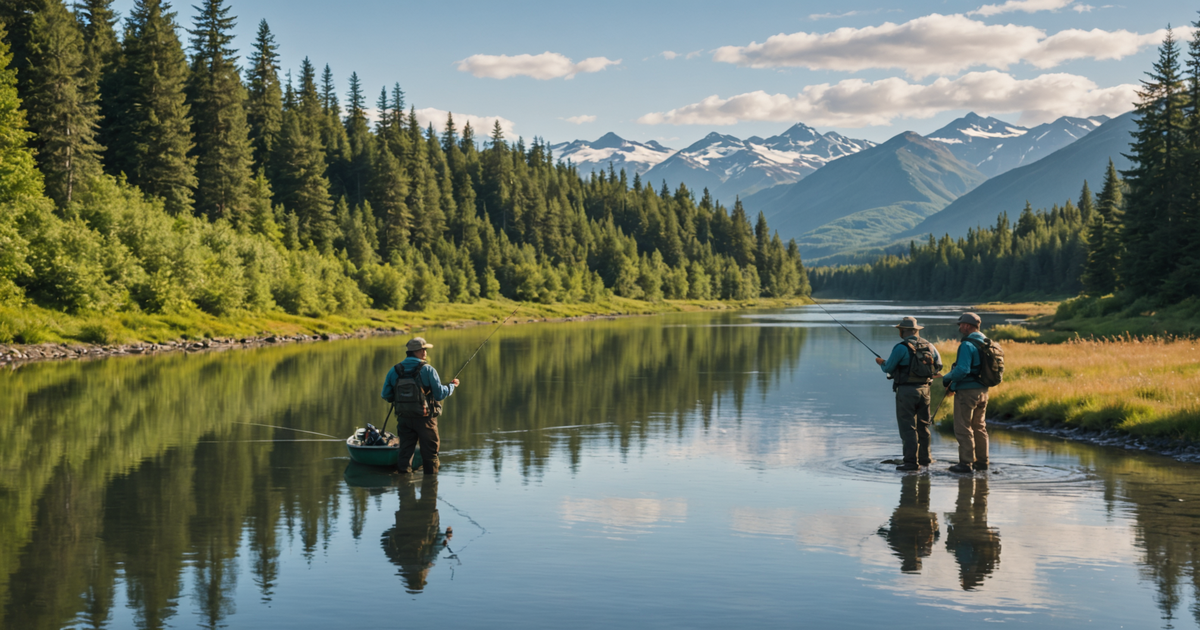
Alaska is renowned for its breathtaking landscapes and abundant wildlife, but it is perhaps most famous for its exceptional fishing opportunities. Among the various fish species, the Chinook salmon, also known as the king salmon, holds a special place. Fishing for Chinook salmon in Alaska is an unparalleled experience, drawing anglers from around the globe eager to test their skills against these powerful creatures. This guide provides an in-depth look at Chinook salmon fishing in Alaska, focusing on guided tours that enhance the experience through expert knowledge and local insight. For more detail, see official guidance.
Understanding Chinook Salmon
Chinook salmon, the largest of the Pacific salmon species, are a prized catch due to their formidable size and fighting spirit. These salmon can weigh up to 50 pounds or more, with the largest recorded specimens reaching over 100 pounds. The thrill of reeling in such a majestic fish is what makes Chinook salmon fishing an exhilarating adventure. For more detail, see further information.
The Best Time and Places to Fish for Chinook Salmon. For more detail, see detailed advice.
The fishing season for Chinook salmon generally spans from May to September, with peak times varying depending on the region. The Kenai River is one of the most popular spots for Chinook fishing, known for its large fish and stunning scenery. Other notable locations include the Kasilof River, which offers a more tranquil experience for first-time anglers. For a comprehensive guide on fishing in these areas, explore our Kasilof River fishing guide. For more detail, see planning resources.
To ensure a successful fishing trip, it is essential to understand the local conditions and regulations. The Alaska Department of Fish and Game provides detailed information on fishing seasons, permits, and other crucial regulations. For more detail, see local insights.
The Benefits of a Guided Fishing Experience
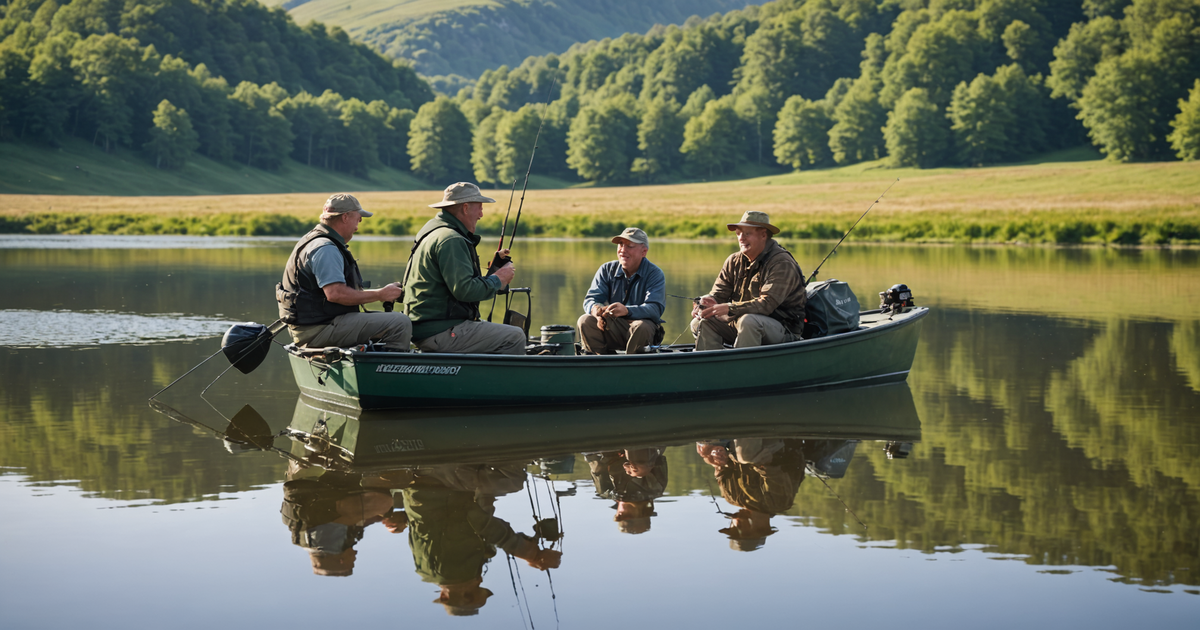
While fishing independently can be rewarding, a guided fishing tour offers numerous advantages, especially for those unfamiliar with Alaskan waters. Local guides possess extensive knowledge of the best fishing spots, techniques, and safety protocols. They can tailor the experience to suit both novice and experienced anglers, ensuring everyone has an enjoyable and successful outing.
Choosing the Right Guide
Selecting a reliable guide is crucial for an optimal fishing adventure. Look for guides with positive reviews, extensive experience, and a deep understanding of local ecosystems. You can explore some of the best guided fishing experiences on our Alaska adventures page.
Techniques for Catching Chinook Salmon
Catching Chinook salmon requires skill and patience, as these fish are known for their strength and elusiveness. Here are some effective techniques:
- Trolling: This involves dragging lures or bait behind a moving boat, mimicking the movement of prey. It’s a popular method on larger rivers such as the Kenai.
- Drift Fishing: This technique uses the current to carry bait through likely fish-holding areas, allowing for a natural presentation.
- Fly Fishing: For a more challenging experience, fly fishing can be highly rewarding. Learn more about the best techniques and gear from our salmon fishing category.
To enhance your chances of success, consider the use of specialised lures. Our guide on the best plug fishing lures provides insights into equipment that can help you land a big catch.
Sustainable Fishing Practices
Sustainability is a core principle of fishing in Alaska. Responsible fishing ensures that future generations can enjoy the same bountiful resources. Practicing catch-and-release and following local regulations are vital components of sustainable fishing. The Alaska Department of Fish and Game offers resources on maintaining sustainable practices.
Additionally, consider participating in eco-friendly tours that prioritise conservation and reduce environmental impact. Learn more about sustainable fishing practices from our sustainable practices category.
Conclusion
Fishing for Chinook salmon in Alaska is a thrilling and rewarding endeavour, combining the beauty of the natural environment with the excitement of the catch. Whether you’re a seasoned angler or a newcomer to the sport, guided fishing tours offer the expertise and local knowledge necessary to make the most of your adventure. By choosing a reputable guide, using effective fishing techniques, and committing to sustainable practices, you can experience the best that Alaskan fishing has to offer.
FAQ
What is the best time to fish for Chinook salmon in Alaska?
The optimal time for fishing Chinook salmon in Alaska is from May to September, with peak times varying by location.
Do I need a fishing license to fish in Alaska?
Yes, a fishing license is required. Licenses and permits can be obtained through the Alaska Department of Fish and Game.
What equipment is recommended for Chinook salmon fishing?
Trolling setups, drift fishing gear, and fly fishing rods are all effective. Consult our guide on the best float fishing rigs for clear water for more details.
Are there any restrictions on the number of salmon I can catch?
Yes, limits vary by location and time of year. It’s important to check current regulations on the ADF&G website.
Can I eat the salmon I catch?
Yes, Chinook salmon are delicious and can be prepared in various ways. For culinary inspiration, visit our culinary category.
What should I bring on a guided fishing tour?
Bring weather-appropriate clothing, fishing gear (if not provided), a camera, and snacks. Always check with your guide for specific recommendations.
How can I ensure my fishing trip is eco-friendly?
Practice catch-and-release, follow all local regulations, and choose guides committed to sustainability. For more tips, see our sustainable practices category.
Where can I find more information on planning a fishing trip to Alaska?
For comprehensive trip planning resources, visit Travel Alaska’s fishing planning guide.