
Introduction
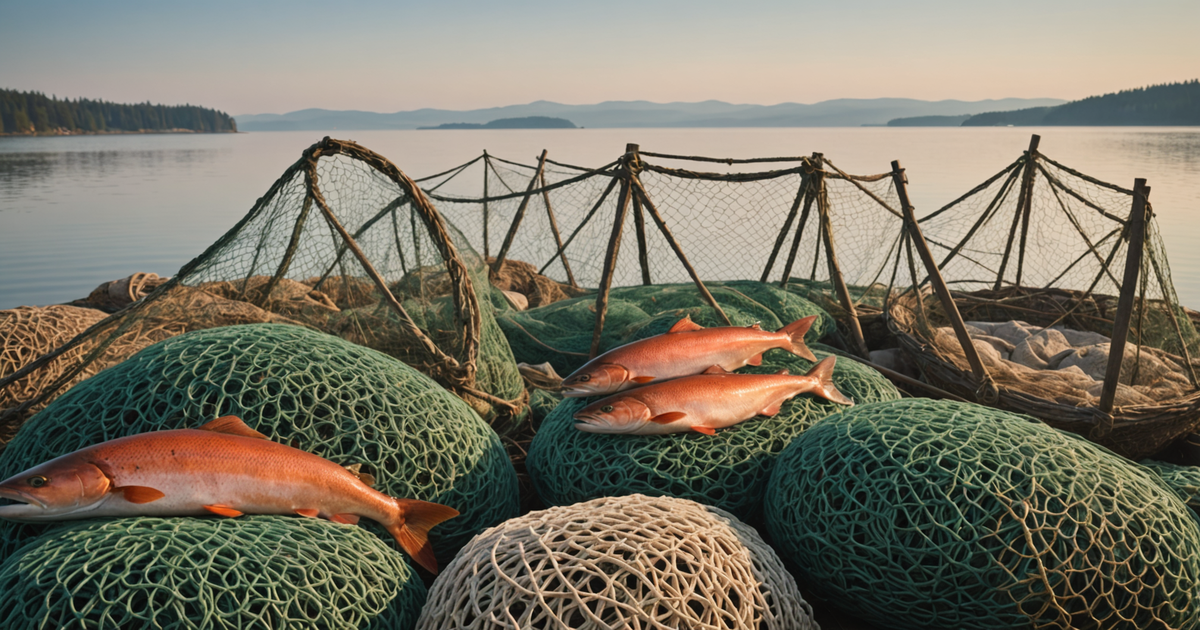
Fishing for salmon in the pristine waters of Alaska is a dream for many anglers. The thrill of catching this iconic fish is unmatched, but achieving success requires not only skill but also the right equipment. One crucial piece of gear is the salmon fishing net. Selecting the right salmon fishing net can make a significant difference in your fishing experience, affecting everything from the ease of catching fish to the safety of the salmon you release. In this guide, we will explore the essential aspects of choosing the perfect net, including size, depth, mesh type, and handling, to enhance your salmon fishing adventures. For more detail, see official guidance.
Understanding Salmon Fishing Nets
Net Size and Depth. For more detail, see further information.
The size and depth of your salmon fishing net are critical factors to consider. Nets come in various sizes, and choosing the right one depends on the type of salmon you intend to catch and the fishing location. Larger nets are suitable for bigger salmon species like King salmon, while smaller nets are ideal for Coho or Pink salmon. The depth of the net is equally important. A deeper net provides more room for the fish, reducing the chance of it escaping. For river fishing, a net with a depth of 24 to 36 inches is generally recommended, while for open waters, a deeper net may be necessary. For more detail, see detailed advice.
Mesh Type and Material. For more detail, see planning resources.
The mesh type and material of the net are crucial for both durability and fish safety. Nylon is a common material used for its strength and resistance to wear and tear. However, rubber-coated nets are gaining popularity due to their fish-friendly nature, reducing the risk of injuring the salmon during catch and release. The mesh size should be appropriate for the size of the fish, with smaller mesh sizes preventing smaller fish from getting trapped. Opting for a knotless design can further reduce harm to the fish, ensuring a sustainable fishing practice. For more detail, see local insights.
Handle Length and Grip
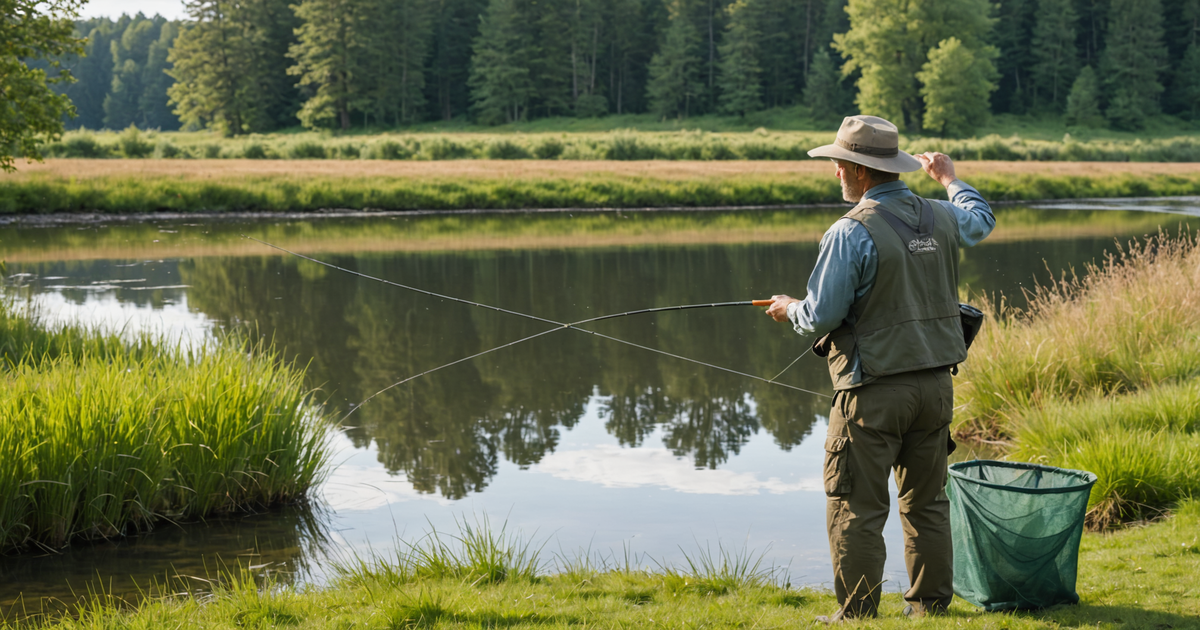
The handle length of your salmon fishing net should be chosen based on your fishing environment. Longer handles are advantageous for fishing from a boat or when reaching over obstacles, while shorter handles are more manageable in cramped spaces. A comfortable grip is essential for prolonged use, and many modern nets feature ergonomic designs with non-slip materials. Consider a telescopic handle for versatility, allowing you to adjust the length as needed.
Practical Considerations
Portability and Storage
Portability is an often-overlooked aspect when choosing a salmon fishing net. Collapsible or foldable nets are convenient for transport and storage, especially if you plan to hike to remote fishing spots. Ensure that the net can be easily stowed in your fishing backpack or vehicle without taking up too much space.
Regulations and Sustainability
Before purchasing a salmon fishing net, it’s essential to check local regulations regarding fishing gear. The Alaska Department of Fish and Game provides detailed guidelines on legal fishing equipment to protect the environment and fish populations. Adhering to these regulations not only ensures compliance but also promotes sustainable fishing practices.
Conclusion
Choosing the right salmon fishing net involves careful consideration of various factors, including size, depth, mesh type, and handle design. By selecting a net that aligns with your fishing goals and environment, you can enhance your angling experience while ensuring the safety and sustainability of the fish. Whether you’re a seasoned angler or a novice exploring Alaska’s fishing opportunities, investing in the right net is a step towards successful and responsible fishing.
FAQ
What size net is best for King salmon?
For King salmon, a larger net with a hoop size of around 30 to 36 inches and a depth of at least 36 inches is recommended to accommodate their size and strength.
Are rubber-coated nets better for salmon?
Yes, rubber-coated nets are better for salmon as they reduce the risk of injury during catch and release, being more fish-friendly compared to traditional nylon nets.
Can I use the same net for different salmon species?
While you can use the same net for different salmon species, it’s best to choose a versatile net that suits the largest species you intend to catch. Adjustable nets can be beneficial in such cases.
How do I maintain my salmon fishing net?
To maintain your salmon fishing net, rinse it with fresh water after each use to remove salt and debris. Regularly check for any tears or damage in the mesh and repair or replace it as needed.
What is the importance of a telescopic handle?
A telescopic handle offers versatility, allowing you to adjust the net’s length according to the fishing environment. This feature is particularly useful when switching between different fishing settings.
Are there any legal restrictions on net types in Alaska?
Yes, there are legal restrictions on net types in Alaska. It’s crucial to review the Alaska fishing regulations to ensure your gear complies with local laws, promoting sustainable fishing practices.
Where can I find a reliable guide for salmon fishing in Alaska?
For a comprehensive guide to salmon fishing in Alaska, consider exploring resources such as Alaska Adventure Guides which offer expert insights and tips for anglers.
What other equipment should I consider for salmon fishing?
In addition to a salmon fishing net, consider investing in quality rods, reels, and best salmon jigs for rivers and tides to enhance your fishing setup.