
Introduction
Fishing for salmon, whether in the serene rivers of Alaska or the vast expanse of the ocean, is a cherished pastime for many anglers. However, the success of your fishing expedition often hinges on one critical choice: selecting the right salmon hook. This guide aims to provide you with comprehensive insights into choosing the perfect hook for salmon fishing, ensuring you are well-prepared for your next adventure on the water. For more detail, see official guidance.
Understanding Salmon Behaviour
Before delving into the specifics of hooks, it’s essential to understand the behaviour of salmon. These fish are migratory, transitioning from freshwater to saltwater and back again, with variations in their feeding habits depending on their environment. During their migration, salmon become more aggressive and are more likely to strike, making this the perfect time to fish. For more detail, see further information.
In Alaska, regulations are stringent to preserve salmon populations. It’s crucial to acquaint yourself with local fishing regulations to ensure compliance and sustainable fishing. For more detail, see detailed advice.
Types of Salmon Hooks
Choosing the right hook involves understanding the different types available and their specific applications. For more detail, see planning resources.
J-Hooks. For more detail, see local insights.
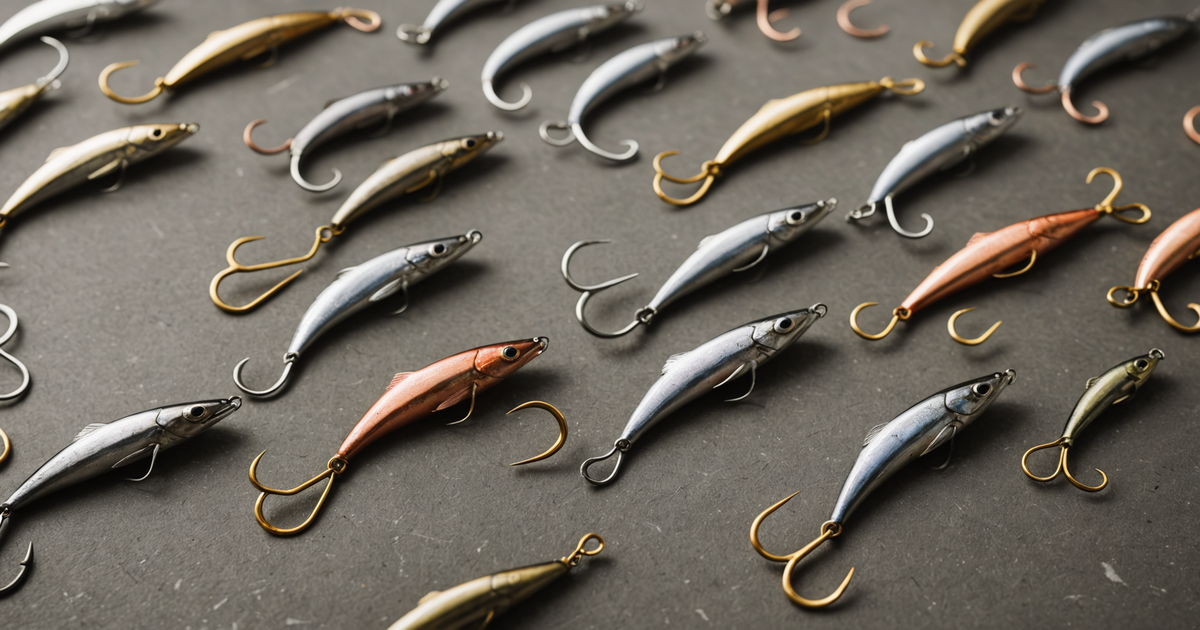
J-hooks are the traditional choice for many salmon anglers. Their simple design makes them easy to use and effective for both river and ocean fishing. They work well with various baits and lures, making them versatile.
Circle Hooks
Circle hooks have gained popularity due to their design, which reduces the likelihood of gut-hooking fish. This feature is particularly beneficial for catch-and-release fishing, aligning with conservation efforts to protect salmon populations. Their unique shape requires a steady hand and patience, as the hook sets itself as the fish swims away.
Treble Hooks
Treble hooks, with their three-pronged design, are often used with lures. They offer a higher chance of a secure hook-up, making them ideal for active, aggressive salmon. However, they can be more challenging to remove, which may cause more harm to the fish.
Selecting the Right Size
The size of the hook is another critical factor. The ideal hook size depends on the type of salmon and the fishing environment. For larger salmon, like Chinook, a size 4/0 or 5/0 hook is appropriate. Smaller species, such as Coho, might require a size 1/0 or 2/0 hook.
Considerations for River vs. Ocean Fishing
River Fishing
In rivers, salmon are often more selective due to the slower water flow. Here, a more subtle approach is necessary. Using high-spin salmon spinners can enhance your chances of a successful catch. The choice of hook should complement your lure’s action without overpowering it.
Ocean Fishing
Ocean fishing for salmon requires robust equipment due to the challenging conditions. The fish are more aggressive, so larger hooks and sturdier lines are advisable. Circle hooks are particularly effective in the ocean, as they ensure a higher hook-up rate while minimising damage to the fish.
Additional Equipment and Techniques
Choosing the right hook is just the beginning. Complement your choice with the right tackle and techniques for maximum effectiveness.
Tackle
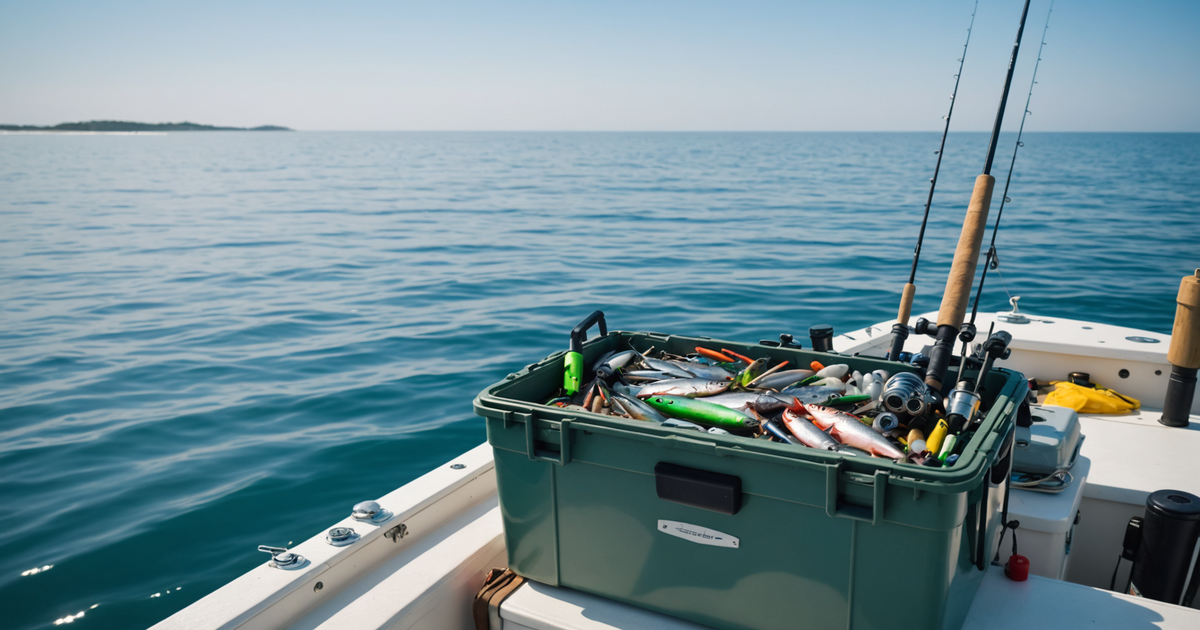
Using quality tackle, such as rods and reels suited to your chosen hook and environment, is vital. Consider investing in equipment from reputable providers that specialise in Alaskan fishing gear.
Techniques
Mastering techniques like drifting or trolling can significantly impact your success rate. For instance, trolling with top salmon flashers can stimulate strikes, especially in deeper waters.
Conclusion
Selecting the right salmon hook is a nuanced process that requires consideration of several factors, including the type of salmon, fishing environment, and personal fishing style. By understanding these elements and adhering to local fishing regulations, you can enhance your chances of a successful and enjoyable fishing trip. Remember, the goal is not only to catch fish but to do so sustainably, ensuring that salmon populations thrive for future generations.
FAQ
What is the best type of hook for salmon fishing?
The best hook depends on your fishing environment and target salmon species. J-hooks are versatile, circle hooks are conservation-friendly, and treble hooks are great for lures.
How do I choose the right hook size for salmon?
Consider the salmon species and their size. Larger hooks (4/0 to 5/0) are suitable for Chinook, while smaller hooks (1/0 to 2/0) work well for Coho.
Are circle hooks better for catch-and-release fishing?
Yes, circle hooks are designed to hook fish in the mouth, reducing injury and increasing survival rates for released fish.
Can I use the same hooks for river and ocean fishing?
While some hooks can be used in both environments, it’s important to adjust for conditions. Ocean fishing typically requires stronger hooks due to more aggressive fish.
What additional gear should I use with my salmon hook?
Pair your hook with appropriate tackle, such as rods, reels, and lures. Consider using high-spin spinners or top salmon flashers to increase your catch rate.
Where can I learn more about salmon fishing techniques?
Explore resources on salmon fishing techniques for detailed guidance and tips.
Are there specific regulations I should follow for salmon fishing in Alaska?
Yes, always check Alaska’s fishing regulations to ensure compliance with local laws and conservation efforts.
How can I ensure my fishing practices are sustainable?
Use hooks and techniques that minimise harm to fish, and always follow catch-and-release guidelines when applicable.