
Chum Salmon Identification | Fish Alaska. For more detail, see official guidance.
Meta Description: Learn chum salmon identification and fish Alaska responsibly with guides. For more detail, see further information.
Introduction
Fishing for salmon in Alaska is a thrilling experience, appreciated by anglers worldwide. Among the different species of salmon, the chum salmon, also known as Oncorhynchus keta, stands out due to its unique characteristics and widespread availability. Understanding chum salmon identification is crucial for fishing enthusiasts wanting to distinguish them from other species. This guide will walk you through the distinctive features, habitat, and behaviour of chum salmon, ensuring a rewarding and responsible fishing adventure in Alaska. For more detail, see detailed advice.
Physical Characteristics of Chum Salmon
Identifying chum salmon starts with recognising their physical attributes. Chum salmon are known for their robust bodies and distinctive colouration. During spawning, they exhibit dramatic colour changes, transforming from a silvery blue-green to dark olive or grey with vertical purple or maroon stripes, particularly in males. For more detail, see planning resources.
Size and Weight. For more detail, see local insights.
Chum salmon are among the larger species of Pacific salmon. They typically measure between 24 to 28 inches in length, though some exceptional specimens can reach up to 40 inches. Their weight ranges from 10 to 15 pounds, with some individuals weighing as much as 30 pounds.
Distinctive Features
One of the easiest ways to identify a chum salmon is by its pronounced kype (hooked jaw) in mature males, which develops during the spawning season. The large, canine-like teeth are another distinctive feature, earning them the nickname “dog salmon.” Juvenile chum salmon have a slender body and lack the vertical bars seen in adult spawning individuals.
Habitat and Distribution
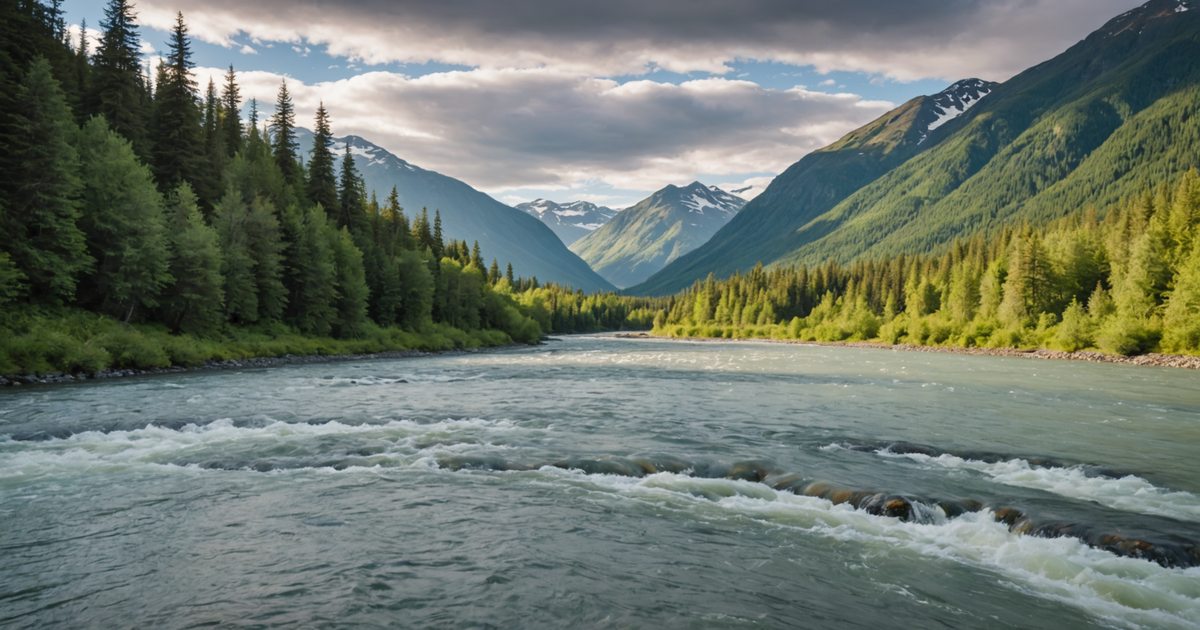
Chum salmon are widely distributed across Alaska, from the Arctic Ocean to the Pacific Ocean and into the inland rivers. They are particularly abundant in the Yukon and Kuskokwim rivers and are a common sight in the coastal waters of Southeast Alaska.
Spawning Grounds
Chum salmon prefer to spawn in the lower reaches of rivers and streams with gravelly beds. This preference makes them accessible to anglers who are fishing in Alaska’s numerous rivers and streams. Understanding their spawning behaviour is crucial for targeting them at the right time and location.
Fishing Techniques for Chum Salmon
Chum salmon fishing requires specific techniques and gear to maximise success. Here are some methods and tips that can help you catch chum salmon effectively.
Fly Fishing and Lures
Fly fishing for chum salmon is popular due to their aggressive nature. Brightly coloured flies that imitate their natural prey are particularly effective. Best salmon jigs for rivers and tides are also a reliable choice, especially when fishing in deeper waters or fast currents.
Timing Your Trip
The best time to catch halibut in Alaska often coincides with peak salmon runs. Generally, chum salmon begin their spawning run in late summer to early autumn, with peak activity in July and August. Planning your trip during these months can increase your chances of success.
Regulations and Responsible Fishing
Fishing responsibly in Alaska means being aware of and adhering to the local regulations. The Alaska Department of Fish and Game provides comprehensive information on fishing rules and regulations, ensuring sustainable fishing practices.
Catch and Release Practices
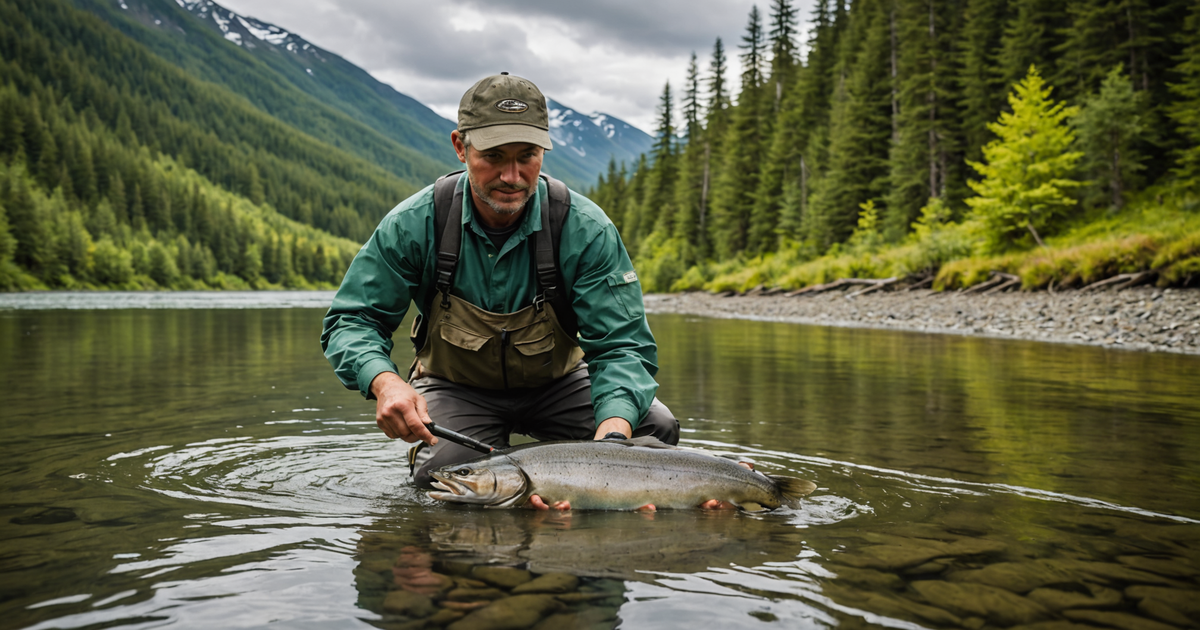
Adopting catch and release practices is crucial for preserving chum salmon populations. Proper handling techniques, such as using barbless hooks and keeping the fish in water while removing the hook, can significantly reduce stress and injury to the fish.
Gear and Preparation
Selecting the right gear is vital for a successful chum salmon fishing experience. From rods and reels to fish jig heads sizes and setups, each component plays a role in your overall success.
Clothing and Accessories
Given Alaska’s unpredictable weather, anglers should dress in layers and use waterproof gear. Customising your gear with fish decals not only adds a personal touch but also makes your equipment easily identifiable.
Conclusion
Chum salmon, with their unique characteristics and widespread distribution, offer an exciting challenge for anglers in Alaska. By understanding their physical traits, habitat preferences, and the best fishing techniques, you can enhance your fishing experience while ensuring the sustainability of this vital species. Remember to always check local regulations and practice responsible fishing to preserve Alaska’s natural beauty for future generations.
FAQ
What is the best time for chum salmon fishing in Alaska?
The peak season for chum salmon fishing is generally from late July to early September. For more detailed timing, check the Alaska salmon season.
How can I identify a chum salmon?
Chum salmon are identified by their robust body, distinctive colouration with vertical bars, and the males’ hooked jaws and sharp teeth during spawning.
Where can I find chum salmon in Alaska?
Chum salmon are widely distributed in Alaska’s rivers and coastal waters, particularly in the Yukon and Kuskokwim rivers.
What gear is recommended for chum salmon fishing?
For chum salmon, using brightly coloured flies and appropriately sized jig heads is effective. Check out recommended fishing techniques for more tips.
Are there any regulations for chum salmon fishing?
Yes, it’s crucial to follow the local fishing regulations as outlined by the Alaska Department of Fish and Game.
What are the preferred habitats for chum salmon?
Chum salmon prefer spawning in the lower reaches of rivers with gravelly beds, making them accessible to anglers.
How can I practice responsible fishing?
Practicing catch and release, using barbless hooks, and following local regulations are essential for responsible fishing. For more tips, visit Alaska Adventure Guides.