
Introduction
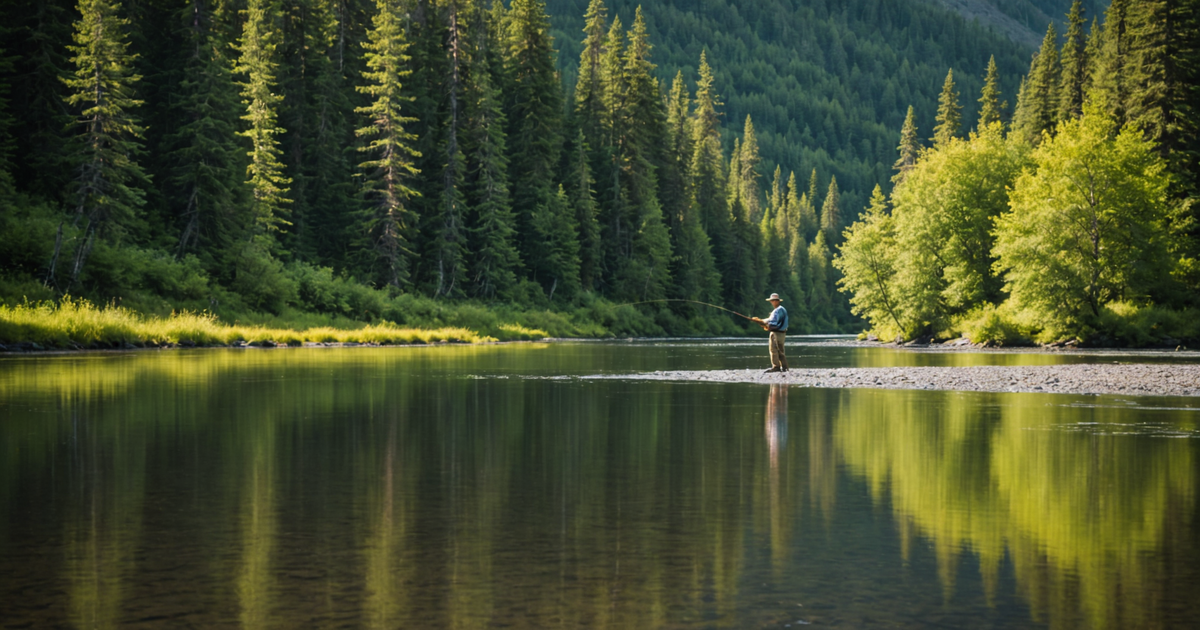
Alaska, renowned for its rugged beauty and abundant wildlife, offers some of the best fishing opportunities in the world. Among the coveted catches is the sockeye salmon, prized for its rich flavour and spirited fight. Whether you are a seasoned angler or a novice, learning how to catch sockeye salmon in Alaska can be a rewarding experience. This guide will explore the best methods and locations for catching sockeye salmon, focusing on the prime areas around Anchorage and beyond. For more detail, see official guidance.
Understanding Sockeye Salmon
Sockeye salmon, also known as red salmon, are anadromous fish found in the northern Pacific Ocean and rivers discharging into it. Known for their brilliant red bodies during spawning, sockeye are smaller than other Pacific salmon species, averaging 3-7 pounds. They are renowned for their robust flavour, making them a favourite among culinary enthusiasts. For more detail, see further information.
Life Cycle and Migration. For more detail, see detailed advice.
Understanding the life cycle of sockeye salmon is crucial for successful fishing. Sockeyes begin their lives in freshwater, migrate to the ocean, and return to their natal freshwater streams to spawn. This migration typically occurs from June through August, with peak runs varying by location. For more detailed information on sockeye salmon migration patterns, consult the Alaska Department of Fish and Game. For more detail, see planning resources.
Best Locations for Sockeye Salmon Fishing
Kenai River. For more detail, see local insights.
The Kenai Peninsula offers some of the most accessible and productive sockeye salmon fishing spots. The Kenai River, in particular, is famous for its massive runs of sockeye salmon, often exceeding a million fish in a season. The lower and middle sections of the river are most popular among anglers.
Russian River
A tributary of the Kenai River, the Russian River is another excellent location for targeting sockeye salmon. Known for its clear waters and significant salmon runs, the Russian River offers a unique fishing experience amidst stunning natural landscapes.
Copper River
For those seeking a more remote adventure, the Copper River in Southcentral Alaska is renowned for its abundant sockeye salmon population. While access can be more challenging, the rewards of fishing this pristine river are well worth the effort.
Techniques for Catching Sockeye Salmon
Flossing Method
Flossing is a popular technique for catching sockeye salmon in Alaska. This method involves using a long leader and a small weight to drift the line naturally with the river current. The goal is to allow the hook to catch the fish as it swims upstream with its mouth open. Detailed instructions on the flossing technique can be found in our fishing techniques category.
Fly Fishing
Fly fishing for sockeye salmon can be incredibly rewarding, especially in clear waters. Using brightly coloured flies that mimic their natural prey, such as shrimp and krill, can entice sockeye to bite. For guidance on fly fishing, explore intoflyfishing.com.
Spin Fishing
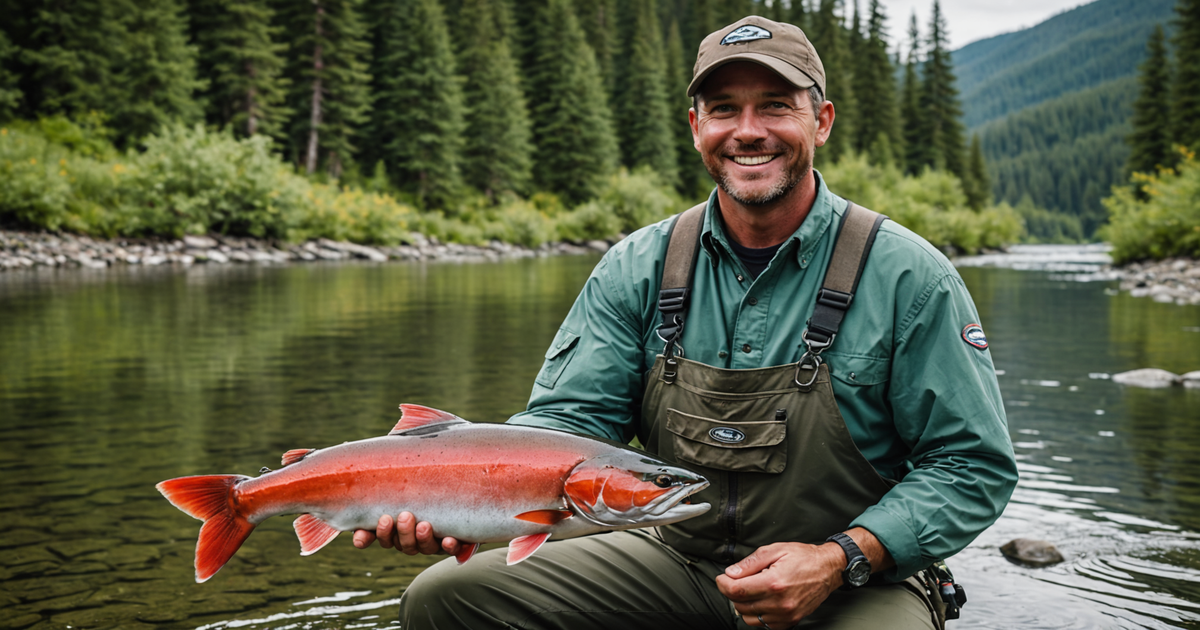
Spin fishing with lures or spinners is another effective method for catching sockeye salmon. High-spin salmon spinners are particularly effective and can be found at the Alaska Salmon Candy Tackle Shop. For more tips on choosing the right spinner, visit our guide on high-spin salmon spinners that get bit.
Essential Gear for Sockeye Salmon Fishing
Rods and Reels
When fishing for sockeye salmon, a medium-action rod between 8.5 and 9.5 feet is ideal. Pair it with a sturdy reel capable of holding at least 150 yards of 10-15 lb line. This setup will provide the necessary strength and flexibility to handle the powerful runs of sockeye salmon.
Tackle and Accessories
A selection of brightly coloured lures, such as spoons and spinners, is essential. Additionally, a reliable set of fishing clippers is crucial for maintaining line integrity. Check out our recommendations for the best fishing clippers.
Waders and Boots
Given Alaska’s cold waters, quality waders and boots are a must. Look for breathable, insulated options to keep you comfortable during long hours on the river.
Local Regulations and Conservation
Fishing in Alaska requires adherence to specific rules and regulations to ensure sustainable practices. Always check the latest Alaska fishing regulations before heading out. Conservation is critical to preserving Alaska’s pristine ecosystems, so practise catch and release whenever possible.
Conclusion
Fishing for sockeye salmon in Alaska is a thrilling adventure that combines skill, patience, and an appreciation for the natural world. By understanding the behaviour and habitat of sockeye salmon, choosing the right location, and employing effective techniques, you can increase your chances of a successful catch. Whether exploring the renowned Kenai River or the remote Copper River, Alaska promises an unforgettable fishing experience.
FAQ
What is the best time to catch sockeye salmon in Alaska?
The peak season for sockeye salmon runs in Alaska is from late June to early August, varying slightly by location. For precise timing, consult the Alaska Department of Fish and Game.
Do I need a fishing licence to catch sockeye salmon in Alaska?
Yes, a valid fishing licence is required for all non-resident anglers aged 16 and over. Licences can be obtained through the Alaska Department of Fish and Game.
What is the daily bag limit for sockeye salmon in Alaska?
Daily bag limits vary depending on the region and current management strategies. Always check the latest fishing regulations before your trip.
What is the best gear for sockeye salmon fishing?
A medium-action rod paired with a sturdy reel and brightly coloured lures or flies are recommended. Additional gear such as waders and fishing clippers are also essential.
Can I hire a guide for sockeye salmon fishing in Alaska?
Yes, hiring a local guide can enhance your fishing experience by providing local expertise and access to prime fishing spots. Consider exploring Anchorage-based guides for assistance.
Are there any conservation practices I should follow?
Practising catch and release and adhering to all local regulations are vital for conserving Alaska’s salmon populations. Always aim to minimise your impact on the environment.
Where can I find more resources on Alaska fishing trips?
For additional tips and travel information, visit Travel Alaska and other reputable resources dedicated to Alaskan adventures.