

Introduction
Fishing beads have become an essential component for anglers looking to increase their catch rates. Whether you’re targeting salmon, trout, or other species, understanding how to use fishing beads effectively can make all the difference. In this comprehensive guide, we’ll explore the nuances of fishing bead colours, sizes, and rigs, providing you with the knowledge to enhance your fishing experience. For more detail, see official guidance.
Understanding Fishing Beads
Fishing beads are small, round accessories that mimic fish roe. They’re often used in conjunction with other tackle to attract fish. Their primary function is to entice fish by simulating the sight and scent of natural eggs in the water. . For more detail, see further information.
The Importance of Colour. For more detail, see detailed advice.
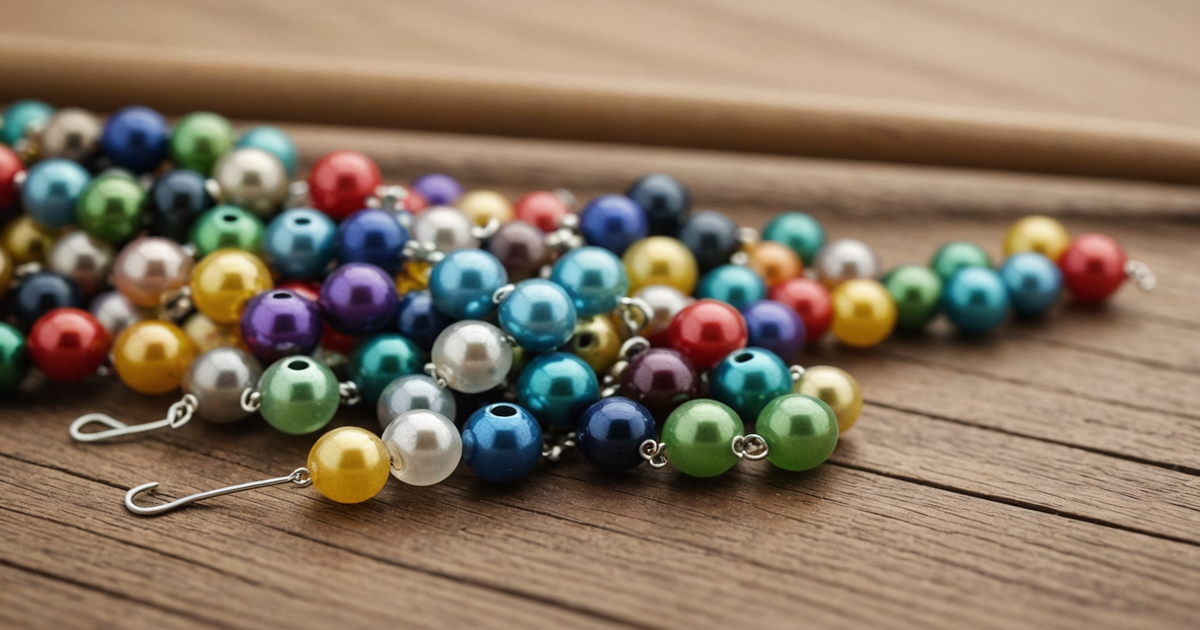
Colour plays a pivotal role in the effectiveness of fishing beads. Fish can be highly selective, and the right colour can significantly increase your chances of success. Here are some tips on choosing the right colour:. For more detail, see planning resources.
-
Natural Colours: Use natural shades like orange, pink, and red in clear water conditions. These colours closely resemble natural fish eggs and can be particularly effective for species like salmon and trout. For more detail, see local insights.
-
Bright Colours: In murky or stained waters, opt for brighter colours such as chartreuse or neon pink. These colours are more visible to fish in less than ideal conditions.
-
Match the Hatch: Consider the local fish diet and try to match the bead colour to the prevalent fish eggs in the area. This approach is often used in fly fishing and can be adapted to bead fishing as well.
Selecting the Right Size
The size of your fishing bead can also influence your success rate. Generally, smaller beads are used in clear water, while larger beads are suitable for murky conditions. Here are some guidelines on selecting bead sizes:
-
6mm to 8mm Beads: These are ideal for clear water and when targeting smaller fish species. They mimic the size of natural fish eggs and are less likely to spook fish.
-
10mm to 12mm Beads: Use these larger beads in cloudy waters or when targeting larger fish. They provide a more visible target for fish and can provoke strikes even in less favourable conditions.
Rigging Your Fishing Beads
Proper rigging is crucial to ensure that your fishing beads are presented attractively to fish. There are several popular methods to rig fishing beads, each with its own advantages.
The Peg Method
The peg method involves positioning the bead a few inches above the hook. This method is effective because it allows the bead to move naturally in the current, mimicking the action of a drifting egg.
- Thread the Bead: Slide your chosen bead onto the fishing line.
- Peg the Bead: Use a toothpick or commercially available peg to secure the bead in place, approximately 2 inches above the hook.
- Trim the Peg: Cut the peg flush with the bead to prevent it from affecting the bead’s movement.
The Fixed Method
The fixed method keeps the bead secured directly on the hook, reducing the chance of the bead sliding away from the hook.
- Thread the Bead: Like the peg method, start by sliding the bead onto the line.
- Secure with Knot: Tie a knot above and below the bead to hold it in place.
- Attach the Hook: Tie the hook onto the line, ensuring the bead is tightly secured.
Advanced Rigging: Double Bead Rig
For a more sophisticated approach, consider using a double bead rig. This setup is particularly effective for attracting multiple strikes, as it presents two potential targets.
- Thread Two Beads: Slide two beads onto the line, each pegged or fixed at different distances from the hook.
- Vary Colours and Sizes: Experiment with different combinations of colours and sizes to determine the most effective pairing.
Conclusion
Fishing beads are a versatile and effective tool in any angler’s arsenal. By understanding how to select the appropriate colours, sizes, and rigs, you can dramatically improve your catch rate. Whether you’re a novice or an experienced angler, mastering the use of fishing beads can enhance your enjoyment and success on the water. For more tips and tricks on fishing, consider exploring our guided salmon fishing in Alaska or trout and grayling fishing resources.
FAQ
What are the best colours for fishing beads?
Natural colours such as orange, pink, and red are ideal for clear water, while bright colours like chartreuse and neon pink work well in murky waters.
How do I choose the right size of fishing bead?
Smaller beads (6mm to 8mm) are best for clear water and smaller fish, while larger beads (10mm to 12mm) are suitable for murky conditions and larger fish.
What is the peg method for rigging fishing beads?
The peg method involves securing the bead above the hook using a peg, allowing it to drift naturally in the current.
Can I use multiple beads in one rig?
Yes, the double bead rig allows you to use two beads, offering multiple targets for fish and increasing your chances of a strike.
Where can I learn more about fishing in Alaska?
Visit Travel Alaska’s fishing section for detailed information on planning your fishing trip.
Are there regulations I should be aware of when using fishing beads?
It’s important to consult the Alaska Department of Fish and Game for current fishing regulations and ensure compliance with local laws.
Is there a recommended season for bead fishing?
Bead fishing can be effective year-round, but peak times depend on the specific fish species and local conditions. Consult NOAA’s sport fishing regulations for seasonal advice.
Can fishing beads be used in saltwater environments?
While primarily used in freshwater, fishing beads can also be effective in estuarine environments where fish are accustomed to feeding on eggs.