
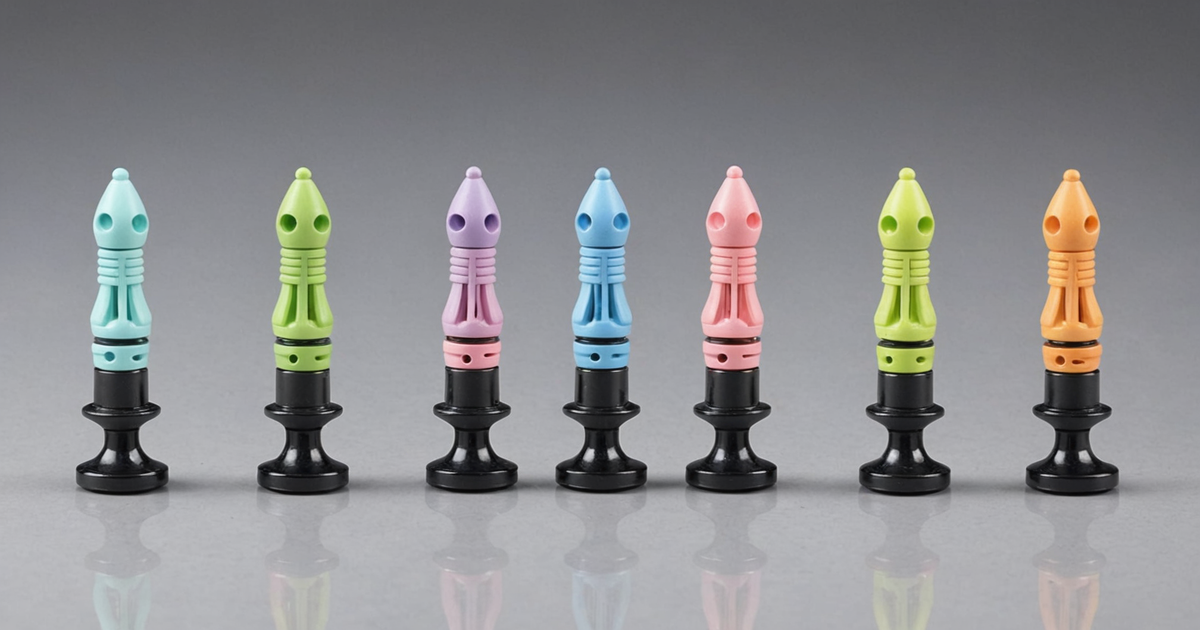
Introduction
Fishing jig heads are a fundamental piece of tackle for anglers targeting a variety of freshwater species. Understanding the different shapes, weights, and uses of jig heads can significantly improve your fishing presentations and success rates. This guide will delve into the intricacies of fishing jig heads, offering insights into how to choose the right one for your specific needs. Whether you’re a seasoned angler or a novice just starting, this information will enhance your fishing experience. For more detail, see official guidance.
Understanding Jig Head Shapes
The shape of a jig head plays a crucial role in how it moves through the water and how well it imitates prey. Here are some common jig head shapes:. For more detail, see further information.
Round Jig Heads. For more detail, see detailed advice.
Round jig heads are the most versatile and commonly used shape. They provide a natural, even fall and are suitable for a variety of fishing techniques. These jig heads are ideal for beginners due to their simplicity and effectiveness in different environments. For more detail, see planning resources.
Football Jig Heads. For more detail, see local insights.
Football jig heads are designed to reduce snagging on rocky bottoms. Their wide shape prevents them from tipping over, which makes them excellent for fishing in areas with heavy cover. This shape is particularly useful when targeting bottom-feeding fish.
Bullet and Cone-Shaped Jig Heads
These jig heads are streamlined for cutting through water, making them perfect for fishing in currents. Their shape allows for a fast and straight retrieve, ideal for targeting species that prefer faster-moving prey.
Specialty Shapes
There are also specialty jig heads, such as dart heads and shad heads, which are designed for specific types of movements and presentations. These are often used by more experienced anglers looking to tailor their approach to specific fishing conditions.
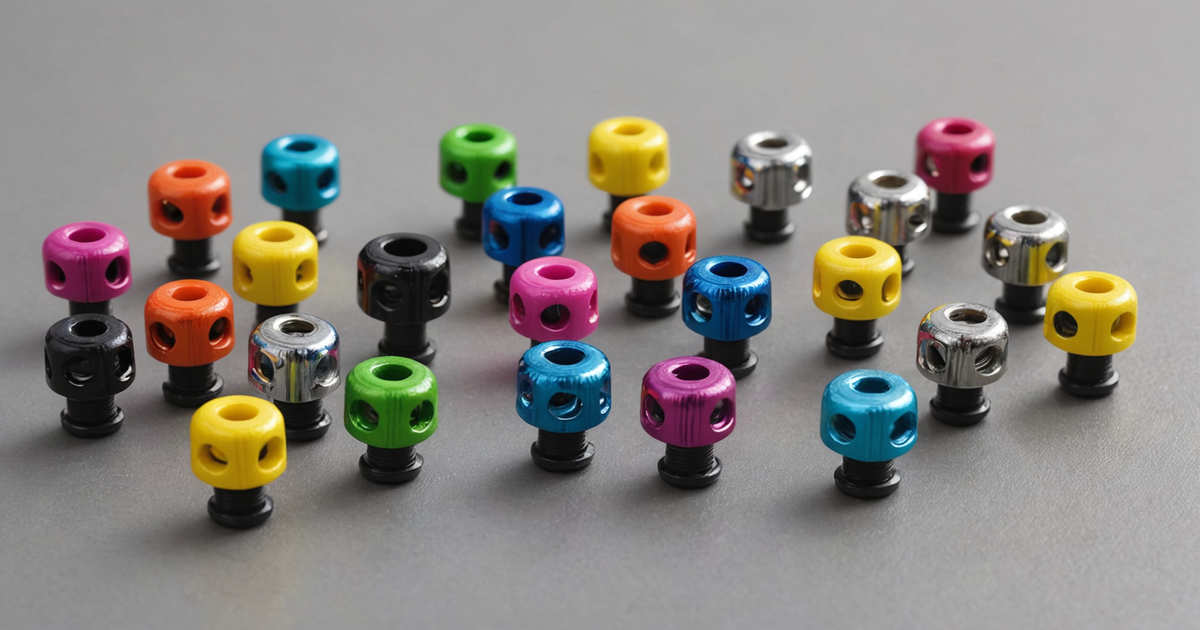
Weight Considerations
The weight of a jig head affects its sink rate and the depth at which it can be fished. Here’s how to choose the right weight for your needs:
Light Jig Heads (1/16 oz – 1/8 oz)
Light jig heads are perfect for shallow waters and when a subtle presentation is needed. They allow the lure to move naturally and are ideal for finicky fish that require a delicate approach.
Medium Jig Heads (1/4 oz – 3/8 oz)
These are versatile weights suitable for a variety of depths and water conditions. Medium jig heads are a good choice when you need a balance between a slow fall and deeper water penetration.
Heavy Jig Heads (1/2 oz and above)
Heavy jig heads are used in deep water or strong currents where a fast sink rate is required. They help maintain contact with the bottom, making them ideal for vertical jigging techniques.
Colour and Material Selection
Colour and material can significantly impact the effectiveness of a jig head. Bright colours like chartreuse and white are excellent in murky waters, while natural colours are better for clear water. Lead is the traditional material for jig heads, but tungsten is gaining popularity due to its higher density and environmental benefits.
Best Practices for Using Jig Heads
To maximise the effectiveness of your jig heads, consider the following practices:
- Match the Hatch: Use jig heads that mimic the local baitfish or prey species.
- Adapt to Conditions: Adjust your jig head weight and colour based on water clarity and depth.
- Experiment with Retrieval: Vary your retrieval speed and pattern to find what works best on a given day.
For more detailed insights into jig head sizes and setups, you might find this guide to fish jig heads helpful.
Where to Use Jig Heads in Alaska
Alaska offers diverse fishing opportunities where jig heads can be highly effective. For example, jig heads are ideal for salmon fishing in the Kasilof River. If you’re new to this area, consider reading our Kasilof River fishing guide for first-timers.
Additionally, jig heads are useful for targeting arctic grayling in Alaska’s interior regions. For more information on fishing opportunities, visit the Alaska Department of Fish and Game.
Conclusion
Fishing jig heads are an essential component of any angler’s tackle box. By understanding the different shapes, weights, and uses, you can optimise your fishing techniques and improve your catch rates. Whether you’re fishing in shallow lakes or deep rivers, selecting the right jig head can make all the difference.
For those planning a fishing trip to Alaska, consider checking out resources like Travel Alaska’s fishing guide to enhance your adventure.
FAQ
1. What is the best shape for a jig head?
The best shape depends on the fishing conditions. Round jig heads are versatile, while football jig heads are great for rocky bottoms.
2. How do I choose the right jig head weight?
Consider the water depth and current strength. Lighter jig heads are suitable for shallow waters, while heavier ones are better for deep or fast-moving waters.
3. Can I use jig heads for ice fishing?
Yes, jig heads can be very effective for ice fishing, providing a natural movement beneath the ice. For more tips, visit our ice fishing guide.
4. Does the colour of a jig head matter?
Yes, colour can influence a fish’s response. Bright colours work well in murky water, while natural colours are better for clear conditions.
5. Are there environmentally friendly jig head options?
Tungsten jig heads are a more eco-friendly option compared to traditional lead jig heads.
6. What species can I target with jig heads in Alaska?
Jig heads are versatile and can be used for salmon, trout, and arctic grayling in Alaska. Learn more about salmon fishing in high water conditions.
7. Where can I find more information on outdoor equipment?
For a comprehensive overview of fishing gear, check out our fishing equipment section.
By understanding and applying the principles of jig head fishing, you can enhance your angling skills and enjoy more successful outings on the water.