
Introduction
The king salmon, also known as Chinook salmon, is a prized catch for anglers worldwide, particularly those venturing into the Alaskan waters. Renowned for its size and fighting spirit, the king salmon is the ultimate trophy in sport fishing circles. But just how big can king salmon get? This question intrigues both seasoned fishers and curious amateurs alike. In this comprehensive guide, we’ll explore the size potential of king salmon, where they thrive, and the best practices for catching these aquatic giants. For those planning an Alaskan fishing adventure, the allure of the king salmon is undeniable. . For more detail, see official guidance.
The Majesty of King Salmon
Size and Weight. For more detail, see further information.
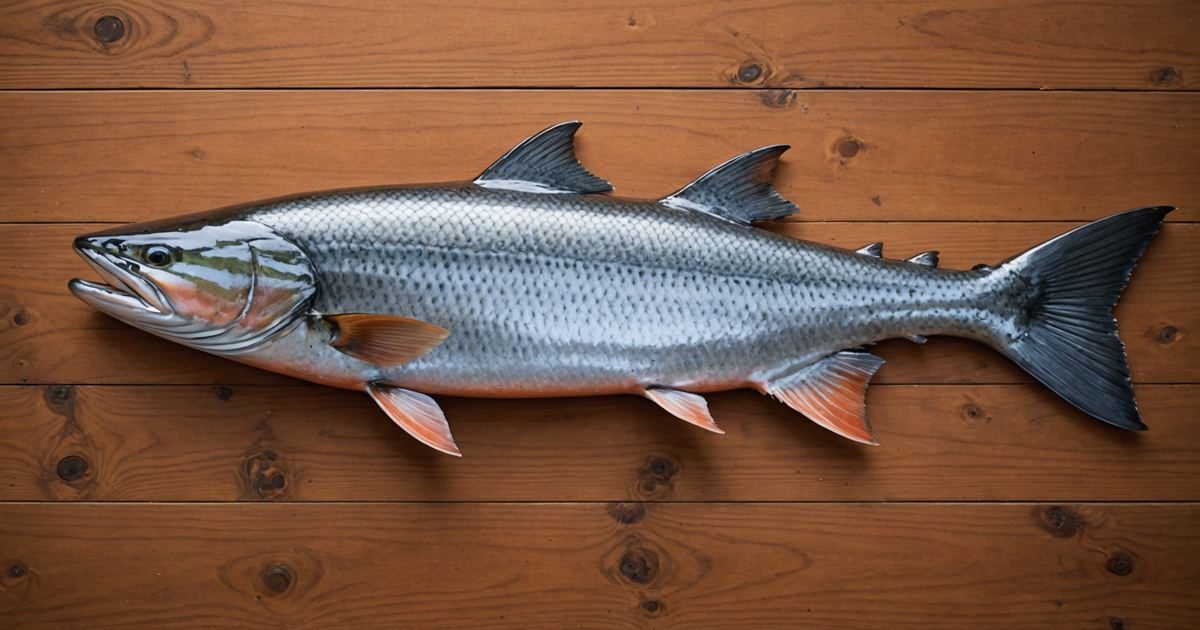
King salmon are the largest species of Pacific salmon. The average size of a king salmon can range from 10 to 50 pounds, with most catches falling somewhere in this spectrum. However, it’s not uncommon for these fish to reach upwards of 60 pounds in Alaskan waters, with some record-breaking specimens tipping the scales at over 100 pounds. The largest recorded king salmon was caught in Alaska’s Kenai River, weighing an astounding 97.25 pounds.  . For more detail, see detailed advice.
Habitat and Migration. For more detail, see planning resources.
King salmon are anadromous, meaning they hatch in freshwater, migrate to the ocean, and return to freshwater to spawn. This lifecycle takes them on an epic journey, often covering thousands of miles. The nutrient-rich waters of Alaska provide an ideal environment for king salmon to grow to their substantial sizes. Key habitats include the Kenai River, the Nushagak River, and the Yukon River, each known for yielding some of the largest specimens. To learn more about the Kenai Peninsula and its fishing opportunities, explore this resource. For more detail, see local insights.
Fishing Techniques and Tackle
Catching a king salmon is as much about skill as it is about patience. Anglers employ a variety of techniques, including trolling, fly fishing, and drift fishing. The choice of tackle is critical, with a preference for high-test lines and robust rods to manage the fight these fish put up. For those interested in refining their techniques, the high-spin salmon spinners are often recommended for increasing success rates.
Regulations and Conservation
The allure of catching a massive king salmon must be balanced with conservation efforts. The Alaska Department of Fish and Game (ADF&G) enforces regulations to ensure sustainable populations. These include size limits, catch limits, and specific fishing seasons. Adhering to these regulations not only preserves fish populations but also ensures that future generations of anglers can enjoy the thrill of king salmon fishing.
Impact of Environmental Factors
Environmental factors significantly impact the size and health of king salmon populations. Climate change, water temperature, and habitat degradation all play a role in their lifecycle. Efforts by organisations such as the National Oceanic and Atmospheric Administration (NOAA) and partnerships with local fisheries aim to mitigate these effects through research and conservation initiatives.
The Best Time and Places to Fish
Timing is crucial for king salmon fishing. The peak season typically runs from late May to early July, with variations depending on specific river systems. The Kenai River, renowned for its large king salmon, draws anglers from around the world during this period. Exploring various destinations in Alaska can offer diverse and rewarding fishing experiences.
Guided Tours and Local Expertise
For those unfamiliar with Alaskan waters, hiring a guide can be invaluable. Guided tours provide local knowledge, specialised equipment, and access to prime fishing spots. The guided salmon fishing in Alaska services offer tailored experiences to maximise your chances of landing a king salmon.
Conclusion
The king salmon’s sheer size and strength make it a revered target for anglers. With the right knowledge and preparation, fishing for king salmon in Alaska can be an exhilarating experience. Understanding their habitat, the best fishing techniques, and adhering to conservation regulations are essential steps in this pursuit. Whether you’re a seasoned angler or a curious beginner, the thrill of catching a king salmon in the wild waters of Alaska is an adventure like no other.
FAQ
How Big Can King Salmon Get?
King salmon can reach weights of over 100 pounds, with the largest recorded specimen weighing 97.25 pounds in Alaska.
Where is the Best Place to Catch King Salmon in Alaska?
The Kenai River is renowned for its large king salmon, but other rivers like the Nushagak and Yukon also offer excellent opportunities.
When is the Best Time to Fish for King Salmon?
The peak season for king salmon fishing in Alaska is from late May to early July.
What are the Regulations for King Salmon Fishing in Alaska?
Regulations include size and catch limits and specific fishing seasons. For more information, consult the ADF&G regulations.
What Techniques are Best for Catching King Salmon?
Popular techniques include trolling, fly fishing, and drift fishing, with the choice of tackle being crucial for success.
Can I Hire a Guide for King Salmon Fishing in Alaska?
Yes, hiring a guide can enhance your fishing experience by providing local expertise, equipment, and access to prime fishing spots.
How Do Environmental Changes Affect King Salmon?
Factors like climate change and habitat degradation can impact king salmon populations, but efforts are underway to mitigate these effects through conservation initiatives.
What Size Tackle is Recommended for King Salmon?
High-test lines and robust rods are recommended to handle the size and strength of king salmon effectively.