
Introduction
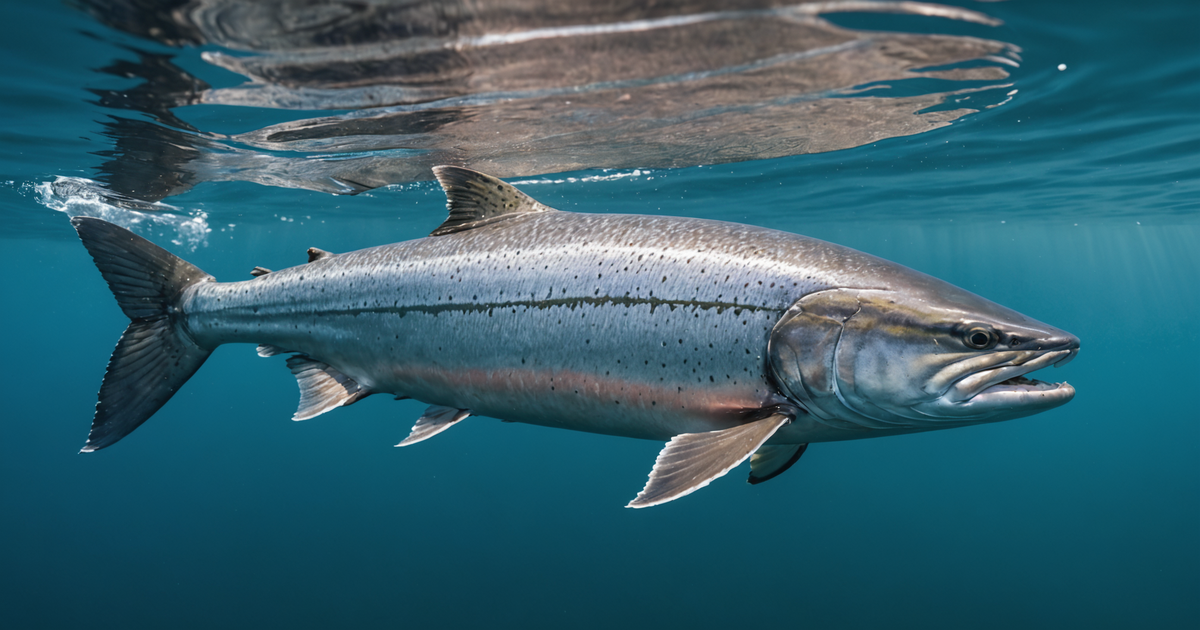
King Salmon, also known as Chinook Salmon, are among the most prestigious and sought-after game fish in the world. Anglers from around the globe travel to Alaska to experience the thrill of catching these magnificent creatures. Known for their size and strength, King Salmon are a testament to the wild and untamed beauty of Alaskan waters. But just how much do these majestic fish weigh? In this comprehensive guide, we’ll explore the weight of King Salmon, the factors influencing their size, and why Alaska remains a prime destination for salmon fishing enthusiasts. . For more detail, see official guidance.
Understanding King Salmon Weight
Average Weight of King Salmon. For more detail, see further information.
King Salmon are renowned for their impressive size, with individuals often weighing significantly more than other salmon species. On average, King Salmon weigh between 10 to 50 pounds (4.5 to 22.7 kg). However, it is not uncommon for anglers to encounter larger specimens in the wild. The largest recorded King Salmon caught in Alaska weighed an astonishing 126 pounds (57.2 kg), showcasing the potential for extraordinary catches in these waters. For more detail, see detailed advice.
Factors Influencing Weight. For more detail, see planning resources.
Several factors contribute to the weight of King Salmon, including genetics, diet, and habitat. In Alaska, the nutrient-rich waters provide an ideal environment for King Salmon to thrive. The abundance of prey, such as smaller fish and crustaceans, allows these salmon to grow to substantial sizes. Moreover, the genetic diversity within the King Salmon population means some individuals are naturally predisposed to reach larger weights. For more detail, see local insights.
Seasonal Variations
The weight of King Salmon can also vary depending on the season. During spawning runs, typically between May and July in Alaska, salmon return to their natal streams to reproduce. During this time, they may lose weight due to the energy expended in migration and spawning. Conversely, salmon caught in the ocean, before their spawning migration, are likely to be at their heaviest.
Fishing for King Salmon in Alaska
Prime Locations
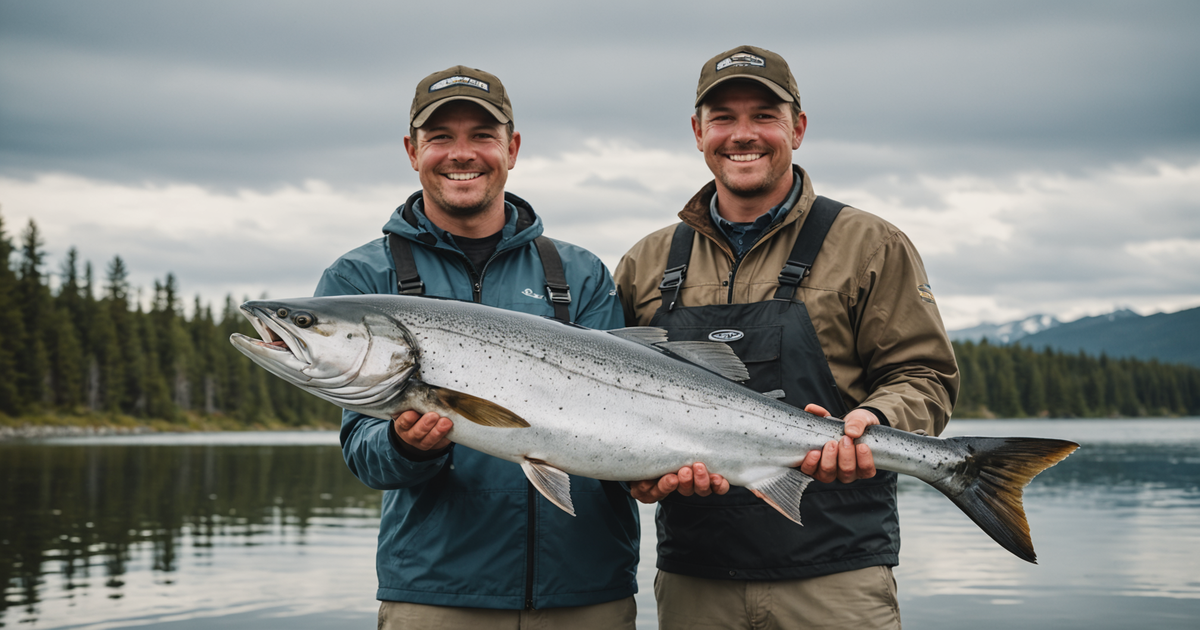
Alaska is renowned for its excellent King Salmon fishing opportunities. Rivers like the Kenai, Nushagak, and Kasilof are famous for their abundant salmon runs. Each of these locations offers unique fishing experiences, with the Kenai River being particularly famous for producing record-breaking King Salmon catches. For those interested in guided fishing tours, Alaska Adventure Guides offers expertly led trips tailored to maximise your chances of landing a prize catch.
Regulations and Conservation
Fishing for King Salmon in Alaska is subject to strict regulations to ensure the sustainability of this vital species. The Alaska Department of Fish and Game provides detailed guidelines on catch limits, fishing seasons, and permitted methods. Adhering to these regulations is crucial for preserving the fish populations and maintaining Alaska’s reputation as a world-class fishing destination.
Fishing Techniques
Successful King Salmon fishing often requires specialised techniques and equipment. Many anglers prefer using trolling methods with lures or bait, while others opt for fly fishing, which can be particularly rewarding in the clear waters of Alaska. For those looking to refine their techniques, articles from Fish Alaska Magazine offer valuable insights and tips.
Conclusion
The weight of King Salmon is a testament to the rich ecosystems of Alaska and the thrill of sport fishing in this pristine environment. Whether you’re an experienced angler or a newcomer to the sport, the opportunity to catch a King Salmon in the wilds of Alaska is an experience like no other. From understanding their average weight to mastering the best fishing techniques, this guide has equipped you with the knowledge to pursue these incredible fish with confidence. For those ready to embark on an unforgettable fishing adventure, consider exploring the fishing packages available throughout Alaska.
FAQ
What is the average weight of a King Salmon?
The average weight of a King Salmon ranges from 10 to 50 pounds (4.5 to 22.7 kg), although larger specimens can be found.
What is the largest King Salmon ever caught?
The largest recorded King Salmon caught in Alaska weighed 126 pounds (57.2 kg).
When is the best time to fish for King Salmon in Alaska?
The peak season for King Salmon fishing in Alaska is during their spawning run from May to July. For more detailed information, visit Alaska Salmon Season.
What are the best locations for King Salmon fishing in Alaska?
Prime locations include the Kenai, Nushagak, and Kasilof rivers. Each offers unique fishing experiences and the potential for large catches.
How are King Salmon regulated in Alaska?
The Alaska Department of Fish and Game sets regulations to ensure sustainable fishing. These include catch limits, seasonal guidelines, and permitted fishing methods.
What fishing techniques are effective for King Salmon?
Trolling with lures or bait and fly fishing are popular techniques. For more on effective fishing methods, check out Brad’s Super Baits for Salmon.
Why is Alaska a popular destination for King Salmon fishing?
Alaska offers rich ecosystems with abundant prey, pristine waters, and thriving King Salmon populations, making it a top choice for anglers worldwide. Learn more about guided fishing experiences at Alaska Adventure Guides.