
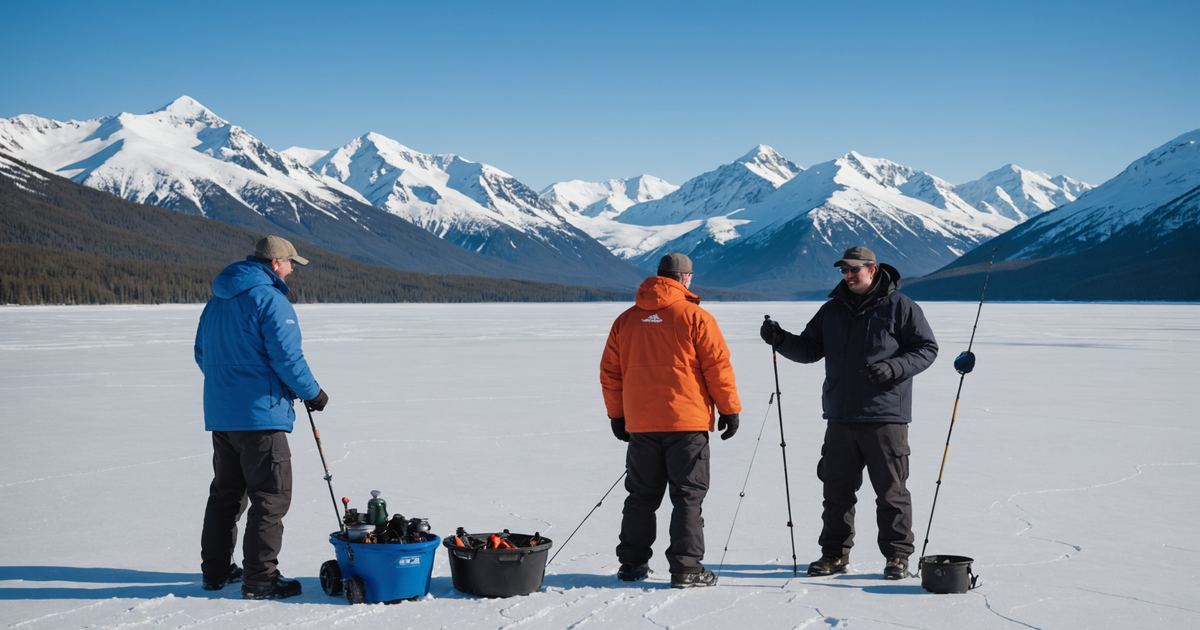
Ice Fishing Alaska | Guided Winter Trips. For more detail, see official guidance.
Ice fishing in Alaska offers a unique blend of tranquillity and adventure amidst the stunning frozen landscapes. Renowned for its vast wilderness, Alaska provides an unparalleled experience for anglers seeking the thrill of catching fish beneath the ice. Whether you’re a novice or a seasoned angler, guided winter trips ensure a safe and productive outing on the ice. This article delves into the essentials of ice fishing in Alaska, highlighting the benefits of guided tours, popular target species, and key considerations for a successful adventure. For more detail, see further information.
The Allure of Ice Fishing in Alaska
Alaska is a land of extremes, where the natural beauty is both captivating and challenging. The state offers numerous ice fishing opportunities across its frozen lakes and rivers, making it a top destination for anglers worldwide. The appeal lies in the serenity of the environment, the majestic views, and the diversity of fish species available. Ice fishing in Alaska is not just about catching fish; it’s about immersing oneself in the pristine wilderness and experiencing the unique culture of the region. For more detail, see detailed advice.
Guided Winter Trips: Why Choose a Professional Guide? For more detail, see planning resources.
Guided winter trips are highly recommended for those wishing to maximise their ice fishing experience in Alaska. Professional guides offer several advantages:. For more detail, see local insights.
-
Local Expertise: Guides possess intimate knowledge of the best fishing spots, seasonal patterns, and local regulations, ensuring a fruitful and compliant fishing trip. They are often familiar with sustainable practices that help preserve the natural beauty of Alaska.
-
Safety First: Ice conditions can be unpredictable. Experienced guides are trained to assess ice safety and carry the necessary equipment to ensure a safe outing.
-
Equipment and Gear: Most guided trips include the provision of specialised ice fishing equipment, saving you the hassle of transporting bulky gear. For those interested in understanding the importance of outdoor equipment, you can visit this guide.
-
Learning Opportunity: Guides provide valuable angling tips and techniques, enhancing your skills and increasing your chances of success. Discover more about angling tips on the Alaska Adventure Guides website.
-
Cultural Insight: Guides often share stories and insights about the local culture and history, enriching your overall experience.
Target Species and Popular Locations
Alaska’s icy waters are home to a variety of fish species, making it a prime destination for anglers. Some of the most sought-after species include:
- Rainbow Trout: Known for their vibrant colours and fighting spirit, rainbow trout are a popular target during ice fishing expeditions.
- Arctic Char: Found in the colder waters, Arctic char is prized for its delicious taste and challenging catch.
- Northern Pike: These aggressive predators provide an exciting challenge for anglers. For those interested in full-day trips focused on northern pike, learn more about northern pike fishing.
- Lake Trout: Known for their size and strength, lake trout are a favourite among seasoned fishermen.
Popular ice fishing locations in Alaska include Lake Louise, Matanuska Valley, and the Kenai Peninsula. Each area offers unique challenges and rewards, with local guides available to facilitate memorable fishing experiences.
Essential Ice Fishing Equipment
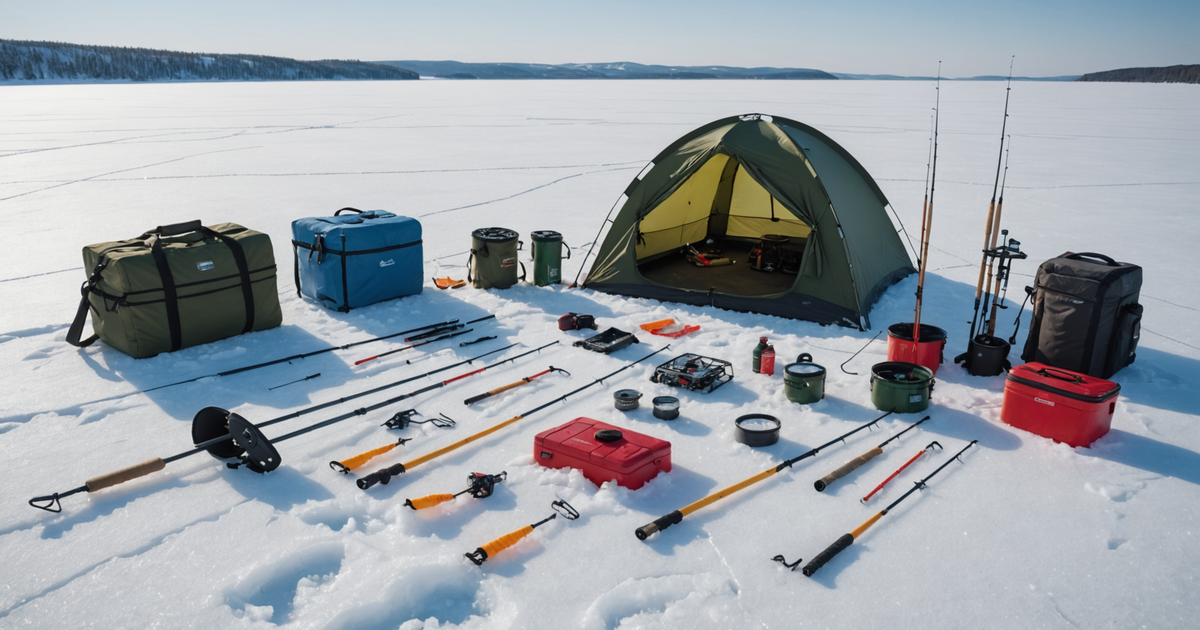
Ice fishing requires specific gear to ensure both effectiveness and safety. Key items include:
- Ice Auger: Essential for drilling holes into the ice.
- Ice Fishing Rods and Reels: Shorter and sturdier than traditional rods, designed to withstand frigid conditions.
- Portable Shelter: Provides protection from the elements and enhances comfort during long sessions on the ice.
- Warm Clothing: Layered, moisture-wicking clothing is crucial to stay warm and dry. For more on cold-weather clothing and equipment, visit Outdoor Equipment.
It is important to check local fishing regulations before heading out, ensuring compliance with size and catch limits.
Conclusion
Ice fishing in Alaska offers an unparalleled adventure for those willing to brave the cold and embrace the wilderness. Guided winter trips provide a safe and enriching experience, allowing anglers to focus on the thrill of the catch and the beauty of the surroundings. With diverse species and stunning locations, Alaska is a top destination for ice fishing enthusiasts.
FAQ
What is the best time of year for ice fishing in Alaska?
Ice fishing in Alaska typically begins in late November and runs through March, with peak conditions often found in January and February.
Do I need a fishing licence for ice fishing in Alaska?
Yes, a valid fishing licence is required for both residents and non-residents. Licences can be obtained through the Alaska Department of Fish and Game.
How thick should the ice be for safe fishing?
A minimum ice thickness of 4 inches is recommended for safe foot traffic. For additional safety guidelines, refer to the National Weather Service.
What should I wear for ice fishing in Alaska?
Dress in layers, including moisture-wicking base layers, insulating mid-layers, and waterproof outer layers. A good pair of insulated boots and gloves are also essential.
Can I fish without a guide?
While it is possible, hiring a guide is highly recommended for safety and to enhance your fishing success. For more on guided tours, check out Alaska Adventure Guides.
What species can I catch while ice fishing in Alaska?
Common species include rainbow trout, Arctic char, northern pike, and lake trout. Learn more about target species from Fishing Alaska Magazine.
Are there any restrictions on the number of fish I can keep?
Yes, bag limits and other regulations vary by species and location. It’s important to consult the Alaska Department of Fish and Game’s regulations before fishing.
Where can I find more resources on planning my trip?
For comprehensive travel guides and tips, visit Travel Alaska and Explore Fairbanks.