
Introduction
Kenai, Alaska is renowned for its abundant fish populations, especially salmon, making it a prime destination for anglers from around the world. The thrill of catching a prized fish is only the beginning of the adventure. Understanding Kenai fish processing is crucial to preserving your catch and ensuring it reaches your table in the best possible condition. This guide will walk you through what to expect from fish processing services in Kenai, how to prepare for it, and provide you with additional resources to enhance your fishing experience. For more detail, see official guidance.
The Importance of Fish Processing
Fishing in Kenai is not just about the catch; it’s about the entire journey from the river to your plate. Proper fish processing ensures that your catch retains its optimal flavour and texture. This process involves cleaning, filleting, vacuum sealing, and freezing the fish, preserving it for transport and later consumption. By relying on professional services, anglers can focus on the joy of fishing while ensuring their catch is handled with care and expertise. For more detail, see further information.
Preparing for Your Fishing Trip
Before you embark on your fishing adventure in Kenai, it’s essential to plan your trip meticulously. Understanding the regulations is crucial. The Alaska Department of Fish and Game provides comprehensive guidelines to ensure sustainable fishing practices. Familiarising yourself with local laws will help you avoid any legal issues and contribute to the conservation of fish populations. For more detail, see detailed advice.
Additionally, preparing the right gear is critical. For those keen on salmon fishing, understanding the best salmon hooks for solid hook-ups can make a significant difference. It’s also worth considering customising your gear with fish decals to personalise your experience. For more detail, see planning resources.
What to Expect from Kenai Fish Processing Services
Once your fishing expedition concludes, the next step is to take your catch to a fish processing facility. Here’s what you can typically expect:. For more detail, see local insights.
Initial Handling
Upon arrival at the processing facility, your fish will be weighed and tagged with unique identifiers to ensure it remains traceable throughout the process. This step is crucial for larger catches or when multiple anglers are involved.
Cleaning and Filleting
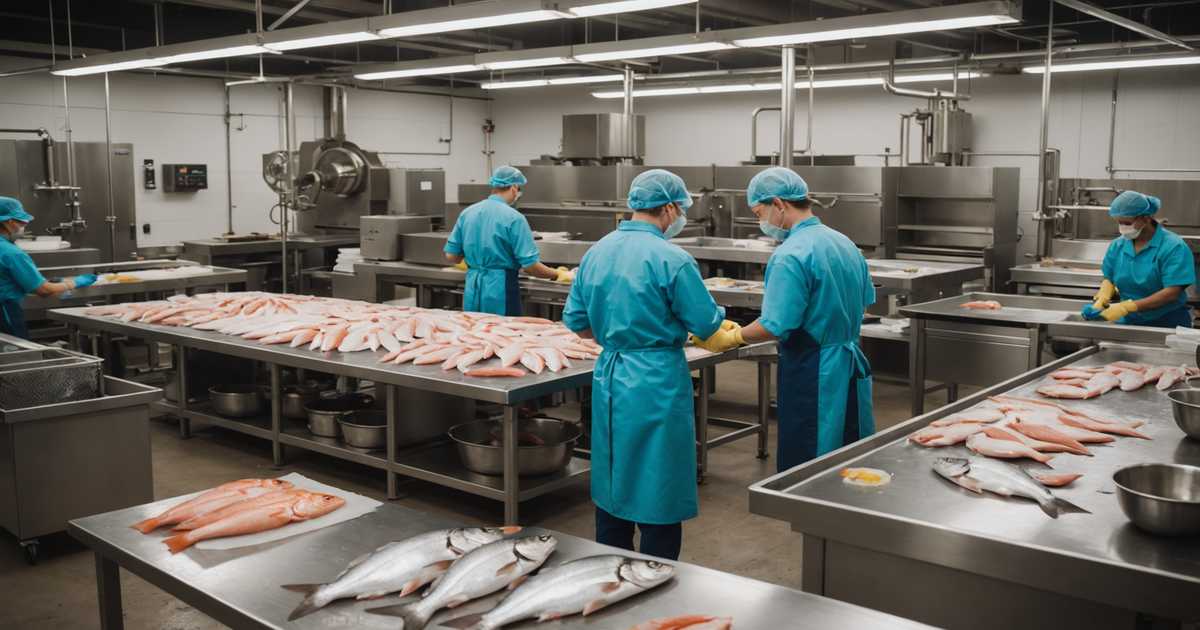
Trained professionals will then clean and fillet your fish. This stage involves removing the entrails and cutting the fish into manageable portions. Proper filleting is essential for removing bones and ensuring a pleasant eating experience.
Vacuum Sealing and Freezing
The fillets are vacuum-sealed to maintain freshness and prevent freezer burn. They are then flash-frozen to lock in natural flavours and nutrients. This method also extends the shelf life of your catch, making it easier to transport long distances.
Packaging Options
Many facilities offer a variety of packaging options, allowing you to choose based on your preferences and storage needs. Whether you prefer individual portions or bulk packaging, the processors can accommodate your requests.
Shipping Services
If you’re travelling, many fish processing services in Kenai provide shipping options. This service ensures your fish arrives home safely, allowing you to relive your Alaskan adventure with every bite.
The Role of Local Expertise
Kenai fish processors are not just skilled workers; they are local experts who understand the nuances of handling Alaskan fish. Their knowledge extends beyond basic processing, offering insights into the best ways to prepare and cook your fish. Engaging with them can enhance your overall experience, providing you with culinary tips and tricks that highlight the unique qualities of Alaskan seafood.
Enhancing Your Alaskan Adventure
Apart from fishing, Alaska offers a myriad of outdoor activities. Consider exploring hiking tours to immerse yourself further in the breathtaking landscapes. For those interested in extending their fishing pursuits, guided fishing tours provide an excellent opportunity to explore different fishing spots with expert guidance.
Additionally, the Matanuska Glacier Excursion offers a unique adventure for those looking to experience Alaska’s natural beauty beyond fishing.
Conclusion
Kenai fish processing is an integral part of the fishing experience in Alaska. By understanding what to expect and preparing adequately, you can ensure that your catch is preserved to the highest standards. This not only enhances the quality of your fish but also allows you to enjoy the fruits of your labour long after your trip has ended. Whether you’re a seasoned angler or a first-time visitor, embracing the full spectrum of what Kenai has to offer will undoubtedly make for an unforgettable adventure.
FAQ
1. What is the best time of year for fishing in Kenai?
The peak fishing season in Kenai typically runs from June to September. For more detailed information, you can check out when is Alaska salmon season really.
2. Do I need a fishing license in Kenai?
Yes, a fishing license is mandatory for all anglers in Alaska. You can obtain one from the Alaska Department of Fish and Game.
3. How can I ensure my fish remains fresh during shipping?
Most processing facilities in Kenai offer vacuum sealing and flash freezing to preserve freshness. Additionally, choosing a reputable shipping service that specialises in handling perishable goods is recommended.
4. Are there any specific regulations I should be aware of when fishing in Kenai?
It’s crucial to familiarise yourself with local fishing regulations to ensure compliance. The Alaska Department of Fish and Game provides updated information regarding quotas and restrictions.
5. Can I process my own fish, or must I use a professional service?
While it’s possible to process your own fish, using a professional service ensures that your catch is handled expertly, preserving its quality and taste.
6. What additional activities can I enjoy in Kenai aside from fishing?
Kenai offers a wide range of outdoor activities, including hiking and glacier tours. Exploring Alaska adventures can provide you with more options to enjoy the region.
7. How do I choose the right fish processing facility in Kenai?
Consider facilities with positive reviews and those recommended by local guides or fellow anglers. Visiting their website or contacting them directly for specific services and pricing can also be helpful.
8. What types of fish are commonly processed in Kenai?
Salmon is the most popular, but other species like halibut and trout are also commonly processed. Each species requires specific handling to ensure the best quality and taste.