
Introduction
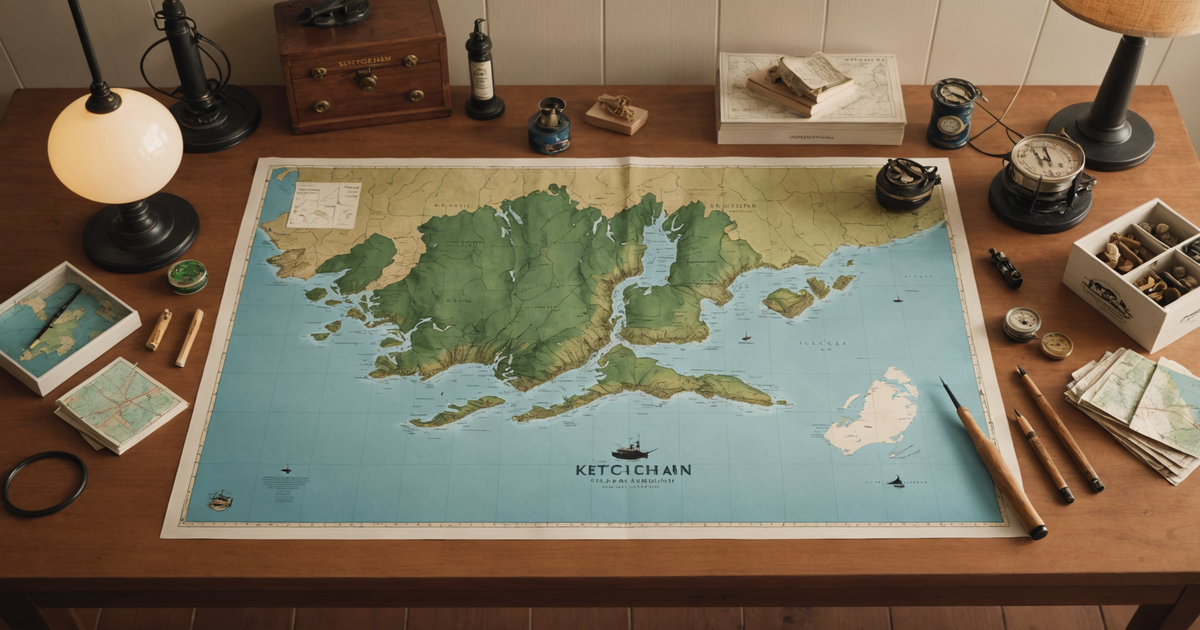
Ketchikan, known as the “Salmon Capital of the World,” is a prime destination for anglers seeking the thrill of the legendary Ketchikan Alaska salmon run. Nestled in the southernmost part of Alaska, Ketchikan offers unparalleled opportunities to engage with nature and experience the abundant salmon species that migrate through its waters. This comprehensive guide will help you track the salmon run, plan your visit, and ensure a successful fishing adventure in one of Alaska’s most picturesque locales. For more detail, see official guidance.
Understanding the Ketchikan Salmon Run
The salmon run in Ketchikan is a spectacular annual event where millions of salmon return from the ocean to freshwater streams to spawn. Ketchikan hosts five species of Pacific salmon: chinook (king), coho (silver), sockeye (red), pink (humpback), and chum (dog). Each species has a distinct run season, providing a vibrant tapestry of fishing opportunities throughout the year. For more detail, see further information.
Seasons and Timing. For more detail, see detailed advice.
Understanding the timing of the salmon run is crucial for planning your fishing trip. The chinook salmon, prized for their size, typically start their journey in May and continue through July. Coho salmon are most abundant from July to September, while sockeye and pink salmon runs peak during July and August. Chum salmon, known for their tenacity, run from mid-June to September. For more detail, see planning resources.
To maximise your catch, synchronise your visit with the peak seasons. You can find detailed Alaska fishing regulations and seasonal information on the Alaska Department of Fish and Game website. For more detail, see local insights.
Planning Your Fishing Adventure
Ketchikan offers a variety of options for anglers, from guided tours to DIY fishing trips. Whether you’re a seasoned angler or a beginner, Ketchikan has something to offer for everyone.
Guided Fishing Tours
For those new to the area, guided fishing tours provide an excellent introduction to the local waters. Experienced guides can take you to the best spots and provide valuable insights into the local fishing techniques. Consider booking a tour with a reputable company to enhance your Ketchikan salmon run experience. Check out fishing charters for a list of recommended guides.
DIY Fishing
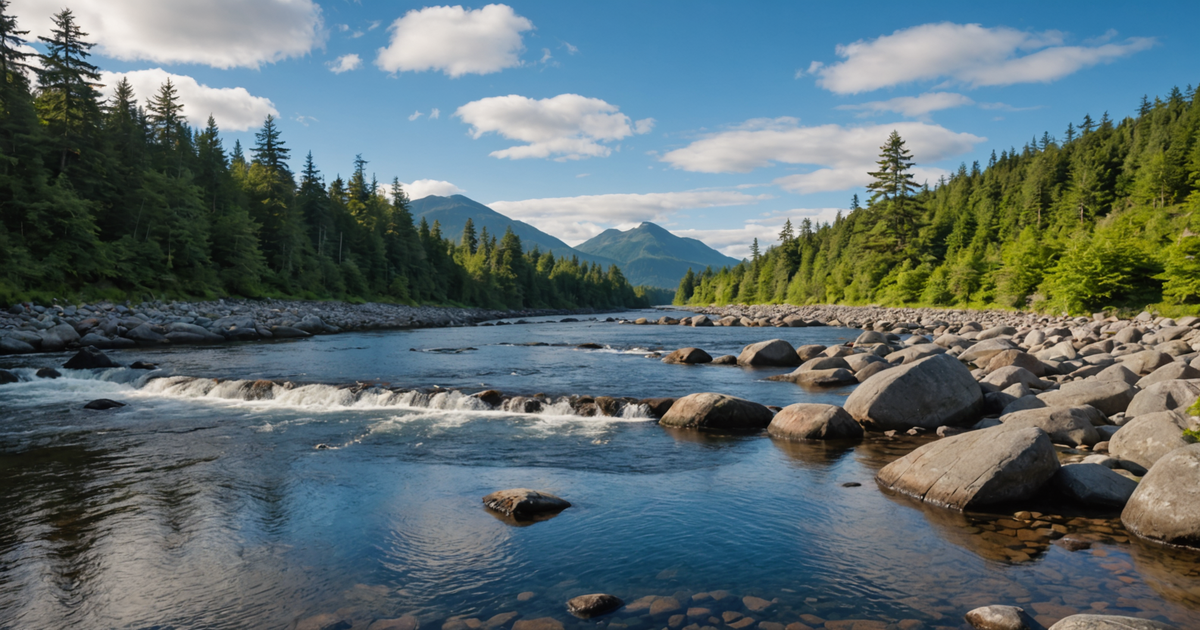
If you prefer a more independent adventure, Ketchikan’s accessible waterways make DIY fishing a viable option. Ensure you have the necessary equipment and are familiar with local fishing regulations. The Alaska Adventure Guides website offers valuable tips for those looking to plan their own fishing trips.
Essential Gear and Tackle
Selecting the right gear is paramount for a successful fishing trip. Depending on the species you’re targeting, you may need different tackle. High-spin salmon spinners and plug fishing lures are popular choices among local anglers. For more detailed recommendations, visit the best plug fishing lures that hammer big fish for expert advice.
Exploring Ketchikan Beyond Fishing
While the salmon run is a major draw, Ketchikan offers much more for visitors. The town is rich in cultural heritage and natural beauty, providing a well-rounded Alaskan experience.
Local Culture and Attractions
Ketchikan is home to vibrant Native Alaskan cultures, with totem poles and cultural centres offering a glimpse into the region’s history. A visit to the Totem Heritage Center is highly recommended for those interested in learning more about Alaska’s indigenous peoples.
Outdoor Activities
Beyond fishing, Ketchikan is a haven for outdoor enthusiasts. Hiking trails, wildlife viewing, and kayaking are popular activities. The Alaska Adventure Guides provide excellent resources for planning your outdoor adventures in the region.
Conclusion
The Ketchikan Alaska salmon run is an extraordinary natural event that promises excitement and adventure for anglers and nature lovers alike. With a rich array of salmon species, stunning landscapes, and a welcoming community, Ketchikan is a must-visit destination for any fishing enthusiast. Whether you’re casting your line for the first time or returning for another season, Ketchikan offers an unforgettable Alaskan experience.
FAQ
When is the best time to visit Ketchikan for the salmon run?
The best time to visit Ketchikan for the salmon run is between May and September, depending on the salmon species you wish to target. King salmon peak in May to July, while coho, sockeye, and pink salmon are most abundant from July to August.
Do I need a fishing licence in Ketchikan?
Yes, a fishing licence is required for all anglers in Alaska. You can purchase a licence online through the Alaska Department of Fish and Game or at local vendors in Ketchikan.
What types of salmon can I catch in Ketchikan?
In Ketchikan, you can catch five species of Pacific salmon: king, coho, sockeye, pink, and chum salmon. Each species has its own peak season and characteristics.
Are there fishing guides available in Ketchikan?
Yes, Ketchikan has numerous fishing guides and charters available. These experienced guides can provide valuable insights and take you to the best fishing spots. For more information, visit fishing guides.
What other activities are available in Ketchikan besides fishing?
Ketchikan offers a range of outdoor activities, including hiking, wildlife viewing, and cultural tours. The town is rich in Native Alaskan history, with attractions such as totem poles and cultural centres.
Can I fish in Ketchikan on my own?
Yes, DIY fishing is popular in Ketchikan, thanks to its accessible waterways. Ensure you have the appropriate gear and are familiar with local regulations. For DIY tips, visit Alaska Adventure Guides.
How can I prepare for my fishing trip to Ketchikan?
To prepare for your trip, research the local fishing seasons, obtain the necessary gear, and purchase a fishing licence. It’s also advisable to check weather conditions and book accommodations in advance. For preparation tips, explore Alaska Adventure Guides.