
Introduction
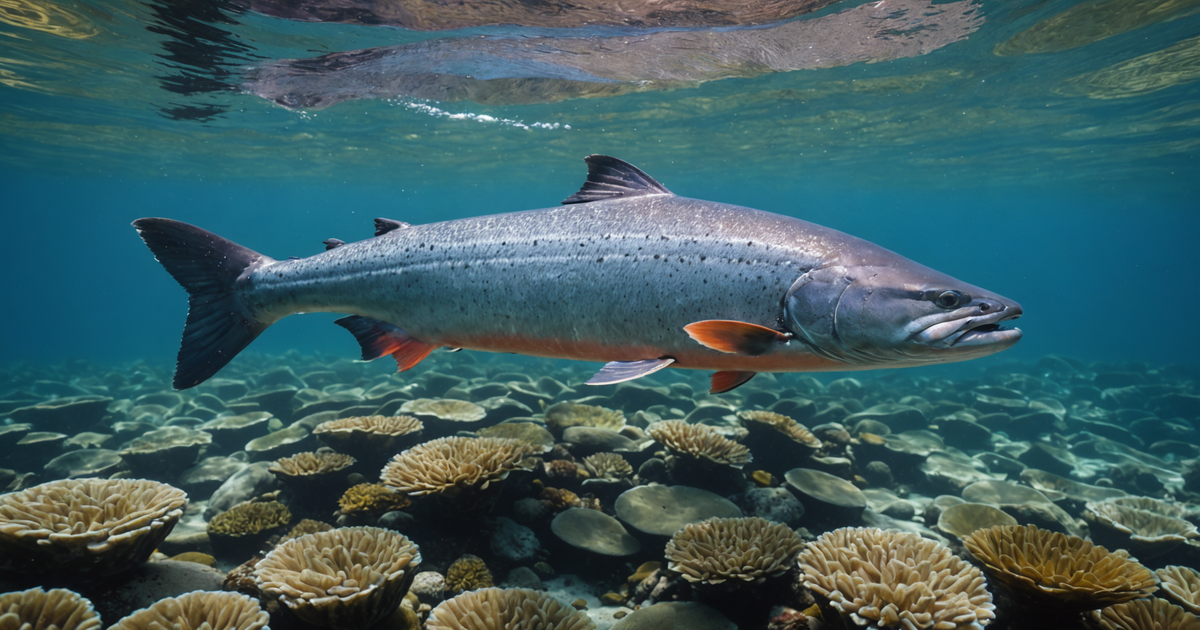
King salmon, also known as Chinook salmon, are the largest of the Pacific salmon species, revered by anglers for their sheer size and strength. A coveted catch in Alaska, king salmon are both a challenge and a thrill to fish. Understanding the king salmon average weight is crucial for anglers planning to fish in the prolific waters of Alaska. This guide delves into the average weight of these magnificent fish, the factors influencing their size, and the best techniques and locations for catching them in Alaskan waters. For more detail, see official guidance.
Understanding King Salmon: The Giants of the Sea
King salmon are not just any fish; they are the giants of the sea. Known for their impressive size, they can weigh anywhere from 20 to 50 pounds on average, with some even surpassing the 100-pound mark. The largest recorded king salmon weighed an astounding 126 pounds, caught in a fish trap near Petersburg, Alaska, in 1949. For more detail, see further information.
Factors Influencing King Salmon Size. For more detail, see detailed advice.
Several factors influence the size of king salmon, including genetics, environment, and diet. Genetic predisposition plays a significant role, as certain populations are inherently larger. Environmental conditions such as water temperature, salinity, and nutrient availability also impact growth rates. The diet of king salmon, rich in herring, squid, and other fish, provides the necessary nutrients for them to grow to their potential maximum size. For more detail, see planning resources.
Seasonal Variations. For more detail, see local insights.
The size of king salmon can vary seasonally. During the spring and early summer months, many king salmon return to their natal rivers to spawn, and this is when they are typically at their heaviest. The Alaskan fishing season for king salmon generally spans from May to September, with peak fishing periods varying by location.
Fishing for King Salmon in Alaska
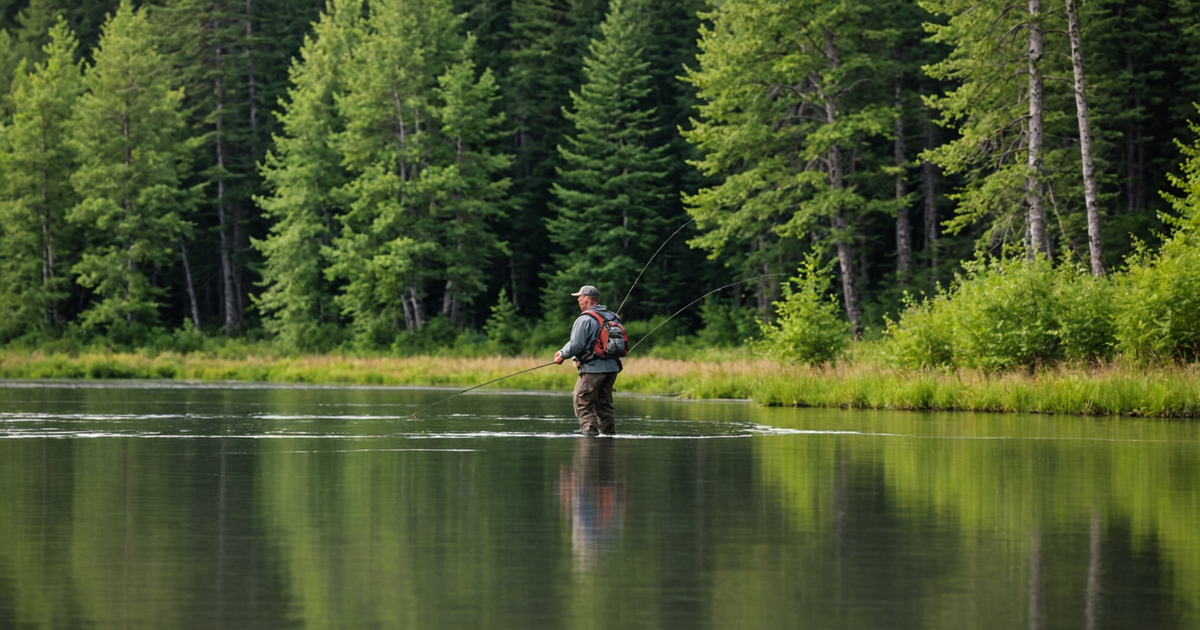
Alaska is renowned for its abundant king salmon populations, making it a premier destination for anglers worldwide. The state’s diverse waterways, from expansive rivers to coastal seas, provide ample opportunities for catching these fish.
Top Locations for King Salmon Fishing
Some of the best places to fish for king salmon in Alaska include the Kenai River, known for producing record-breaking fish, and the Nushagak River, famous for its high catch rates. Coastal areas like Cook Inlet, Prince William Sound, and the waters surrounding Kodiak Island also offer excellent fishing prospects.
For those planning to visit Alaska, Travel Alaska provides detailed guides on fishing trips, including permits and seasonal advice.
Techniques for Successful King Salmon Fishing
To maximise your chances of landing a king salmon, employing the right techniques is crucial. Trolling with downriggers near the ocean’s surface or using heavy jigs in deeper waters can be effective strategies. For river fishing, drift fishing with bait or lures is a common method. Utilising the best salmon jigs for rivers and tides can significantly enhance your chances of a successful catch.
Conservation and Regulations
Fishing for king salmon is not just about the thrill of the catch; it also involves adhering to conservation practices and regulations to ensure sustainable populations. The Alaska Department of Fish and Game provides comprehensive guidelines on fishing seasons, bag limits, and size restrictions. Anglers are encouraged to practice catch and release when possible, especially for larger fish, to help maintain healthy salmon populations for future generations.
Conclusion
Fishing for king salmon in Alaska is a quintessential experience, offering the chance to connect with nature and test one’s angling skills against these formidable fish. Understanding the king salmon average weight and the factors influencing their size can enhance your fishing adventure. Whether you’re a seasoned angler or a novice, the thrill of catching a king salmon in Alaska’s pristine waters is unparalleled.
For those looking to plan a guided fishing trip, Alaska Adventure Guides offers expert-led excursions tailored to your needs.
FAQ
What is the average weight of a king salmon in Alaska?
The average weight of king salmon in Alaska typically ranges from 20 to 50 pounds, although larger specimens can be found.
When is the best time to fish for king salmon in Alaska?
The best time to fish for king salmon is during their spawning season, which runs from May to September, with peak times varying by location.
Where are the best places to fish for king salmon in Alaska?
Top locations include the Kenai River, Nushagak River, Cook Inlet, Prince William Sound, and Kodiak Island.
What techniques are most effective for catching king salmon?
Effective techniques include trolling with downriggers, using heavy jigs, and drift fishing with bait or lures.
Are there any restrictions on fishing for king salmon in Alaska?
Yes, anglers must adhere to regulations set by the Alaska Department of Fish and Game, including season dates, bag limits, and size restrictions.
How can I ensure a sustainable fishing practice when targeting king salmon?
Practising catch and release, particularly for larger fish, and following all regulations and guidelines helps ensure sustainable fishing.
Can I use a guide service for king salmon fishing in Alaska?
Yes, guided services such as Alaska Adventure Guides can provide valuable expertise and equipment for a successful fishing trip.
What equipment is recommended for king salmon fishing?
Using high-quality rods, reels, and tackle, such as salmon hooks for solid hook-ups, can improve your chances of a successful catch.