
Introduction
The allure of fishing in Alaska is undeniable, offering breathtaking landscapes and a bountiful array of fish species. Amongst these, the King Salmon, scientifically known as Oncorhynchus tshawytscha, reigns supreme. Known for its size and strength, the King Salmon is a coveted catch for both amateur and professional anglers. In this article, we delve into the various names and attributes of King Salmon, providing a comprehensive guide to understanding this remarkable species as you prepare for your fishing adventure in Alaska. For more detail, see official guidance.
Understanding King Salmon Names
King Salmon are known by several names, depending on the region and cultural context. In the Pacific Northwest, they are often referred to as Chinook Salmon. This name is derived from the Chinookan peoples, indigenous to the area. In Alaska, the term “King Salmon” is predominantly used, highlighting the fish’s regal status among salmon species. For more detail, see further information.
Regional Variations in Naming. For more detail, see detailed advice.
Alaska’s rich cultural tapestry includes the traditions of its indigenous peoples, who have their own names for the King Salmon. For instance, the Inuit communities may refer to these fish in their native languages, each name reflecting the significance and characteristics of the fish within their culture. Such diversity in nomenclature underscores the importance of King Salmon across various communities in Alaska. For more detail, see planning resources.
Scientific Classification and Characteristics. For more detail, see local insights.
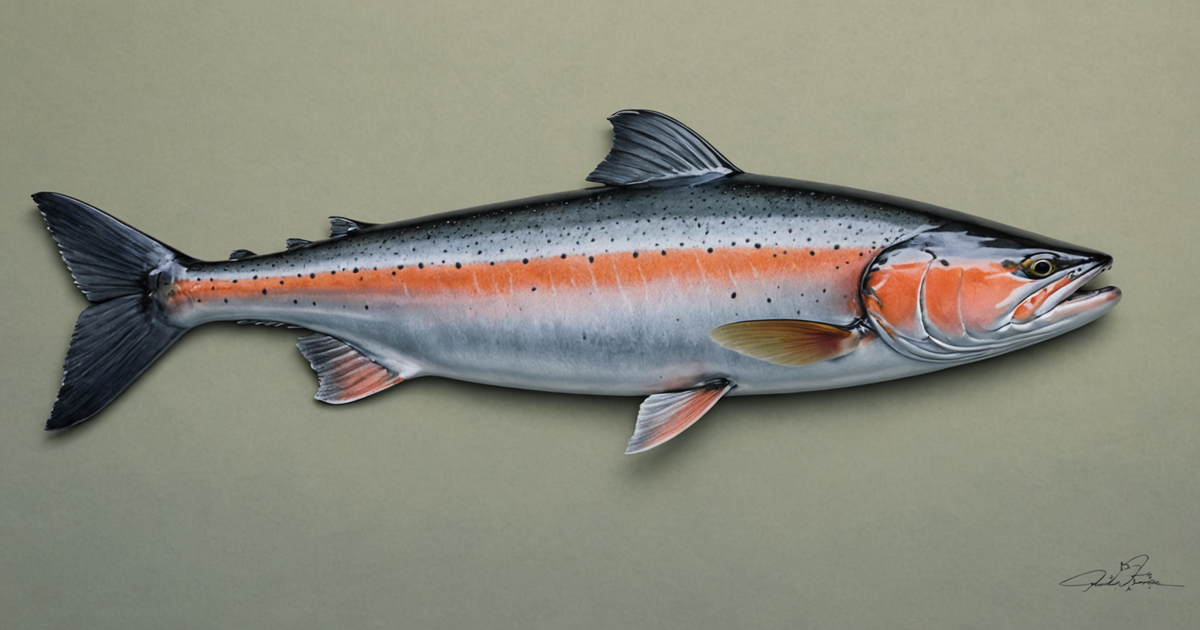
The King Salmon belongs to the genus Oncorhynchus, which includes other Pacific salmon species. It is distinguished by its considerable size, with some individuals exceeding 100 pounds. This species is renowned for its long migratory patterns and spawning journeys. King Salmon possess a robust body with silvery sides and a bluish-green back, adorned with small black spots.
Habitat and Distribution
King Salmon are found across the North Pacific Ocean, from California to Alaska, and even as far as the Kamchatka Peninsula in Russia. Their life cycle begins in freshwater rivers and streams, where they hatch and spend their early years. After maturing, they migrate to the ocean, where they spend the majority of their adult life, before returning to freshwater to spawn.
Popular Fishing Locations in Alaska
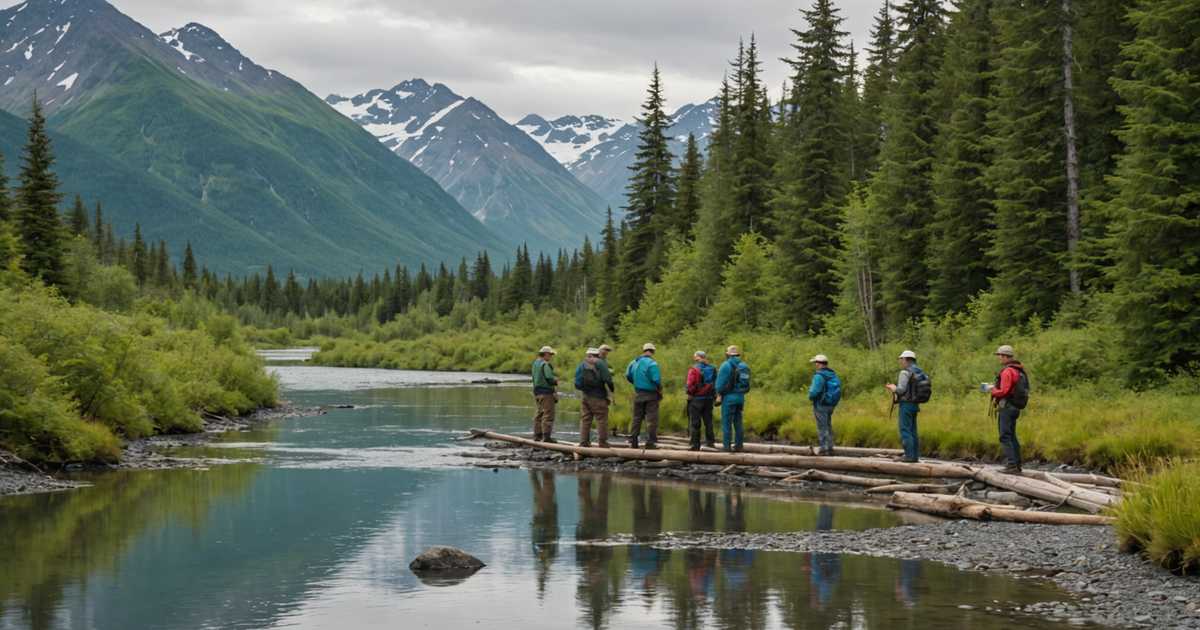
Alaska offers numerous prime locations for King Salmon fishing, including the Kenai Peninsula, which is famed for its record-breaking catches. The Kenai Peninsula provides anglers with a variety of fishing opportunities amidst stunning natural beauty. Additionally, the Anchorage area is another popular spot, offering easy access to some of the state’s most productive fishing waters.
Fishing Techniques for King Salmon
Fishing for King Salmon requires both skill and the right equipment. Anglers often use high-spin salmon spinners, which are known to attract these mighty fish effectively. For those seeking guidance on gear, the high-spin salmon spinners article offers valuable insights into choosing the best tools for your fishing expedition.
Seasonal Considerations
The prime season for King Salmon fishing in Alaska typically spans from May to July. However, the exact timing can vary based on location and environmental conditions. It’s crucial to refer to the Alaska Department of Fish and Game for the latest regulations and seasonal updates to ensure a successful fishing trip.
Conservation Efforts and Regulations
Due to their significance and popularity, King Salmon are subject to various conservation efforts aimed at preserving their populations. The National Oceanic and Atmospheric Administration and the Alaska Department of Fish and Game work collaboratively to enforce regulations that balance fishing practices with ecological conservation. Anglers are encouraged to participate in sustainable fishing practices to help maintain these vital fish populations.
Conclusion
King Salmon hold a special place in the hearts of anglers and the ecosystems of Alaska. Their majestic presence and challenging nature make them a prized catch, while their cultural significance highlights the deep connection between Alaskans and their natural environment. As you plan your fishing adventure, understanding the various names and characteristics of King Salmon will enrich your experience and enhance your appreciation for this remarkable species.
FAQ
What are the different names for King Salmon?
King Salmon are also known as Chinook Salmon, with regional names varying among indigenous communities in Alaska.
Where can I fish for King Salmon in Alaska?
Popular locations include the Kenai Peninsula and the Anchorage area, both offering excellent fishing opportunities.
What is the best time to fish for King Salmon?
The peak season is typically from May to July, but it is advisable to check the Alaska Department of Fish and Game for precise seasonal information.
What equipment is recommended for catching King Salmon?
High-spin salmon spinners and other specialised gear are recommended. For more details, visit the salmon spinners guide.
Are there any conservation efforts for King Salmon?
Yes, both the NOAA and the Alaska Department of Fish and Game enforce regulations to protect King Salmon populations.
Can I find guided tours for King Salmon fishing?
Yes, there are several options for guided fishing tours available throughout Alaska, providing expert guidance and equipment.
What should I know about King Salmon regulations?
It is important to stay informed about the latest fishing regulations, which can be accessed through the Alaska Department of Fish and Game.
How can I ensure a successful fishing trip in Alaska?
Planning ahead, using the right equipment, and understanding the Alaska salmon season will greatly enhance your chances of success.