
Introduction
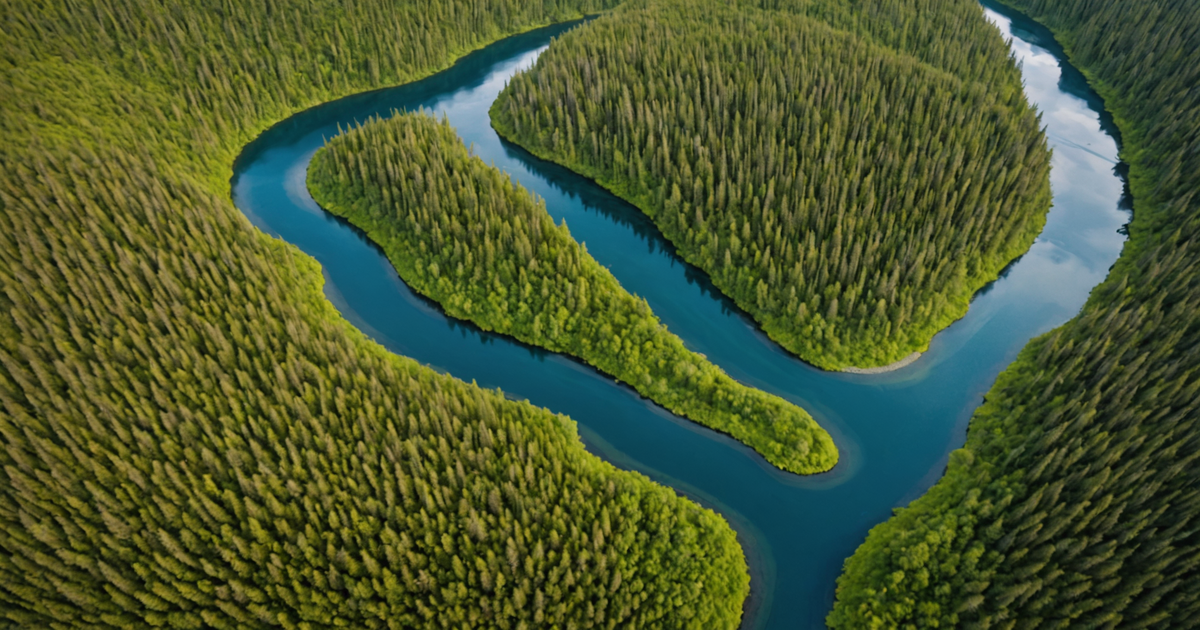
Alaska, a pristine wilderness teeming with natural beauty, is renowned for its breathtaking landscapes and diverse wildlife. Among its most celebrated natural phenomena are the king salmon runs, a spectacular event that draws anglers and nature enthusiasts from around the globe. This majestic fish, known for its size and strength, migrates annually along Alaska’s rivers, providing an unparalleled fishing experience. Planning a trip to witness these king salmon runs can be the adventure of a lifetime, but it requires careful preparation and knowledge of the local environment and regulations. In this comprehensive guide, we’ll explore the best ways to track the king salmon runs in Alaska and how to plan your visit to make the most of this extraordinary opportunity. For more detail, see official guidance.
Understanding King Salmon Runs
King salmon, also known as Chinook salmon, are the largest species of Pacific salmon. Their annual migrations, known as runs, occur from May through July, with peak activity typically happening in June. These runs are a vital part of the salmon’s life cycle, as they return to their natal rivers to spawn. The Alaska Department of Fish and Game provides detailed information on salmon runs and the best times to observe them, making it an essential resource for planning your trip. For more detail, see further information.
Key Locations for Salmon Runs. For more detail, see detailed advice.
Several rivers in Alaska are famous for their king salmon runs. The Kenai River, known for producing some of the largest king salmon on record, is a prime destination for anglers. The Kasilof River, less crowded but equally rewarding, offers a more tranquil setting. Both rivers are featured in various Alaska Adventure Guides articles, providing insights for first-time visitors. For more detail, see planning resources.
Another popular location is the Nushagak River in Bristol Bay, which hosts one of the largest king salmon runs in the world. The Susitna River and its tributaries also offer excellent fishing opportunities, particularly for those seeking a mix of tranquility and adventure. For more detail, see local insights.
Planning Your Fishing Trip
Best Time to Visit
The timing of your visit is crucial to ensure you experience the peak of the king salmon runs. As mentioned, the runs generally occur from May to July, but factors such as weather and water conditions can affect the timing. It’s advisable to check with local resources like Travel Alaska for the latest updates and recommendations.
Permits and Regulations
Fishing in Alaska requires adherence to specific regulations to preserve fish populations and their habitats. Anglers must obtain the appropriate fishing licenses and king salmon stamps. The Alaska Department of Fish and Game provides a comprehensive guide to these requirements, ensuring that your fishing adventure complies with local laws.
Guided Tours and DIY Options
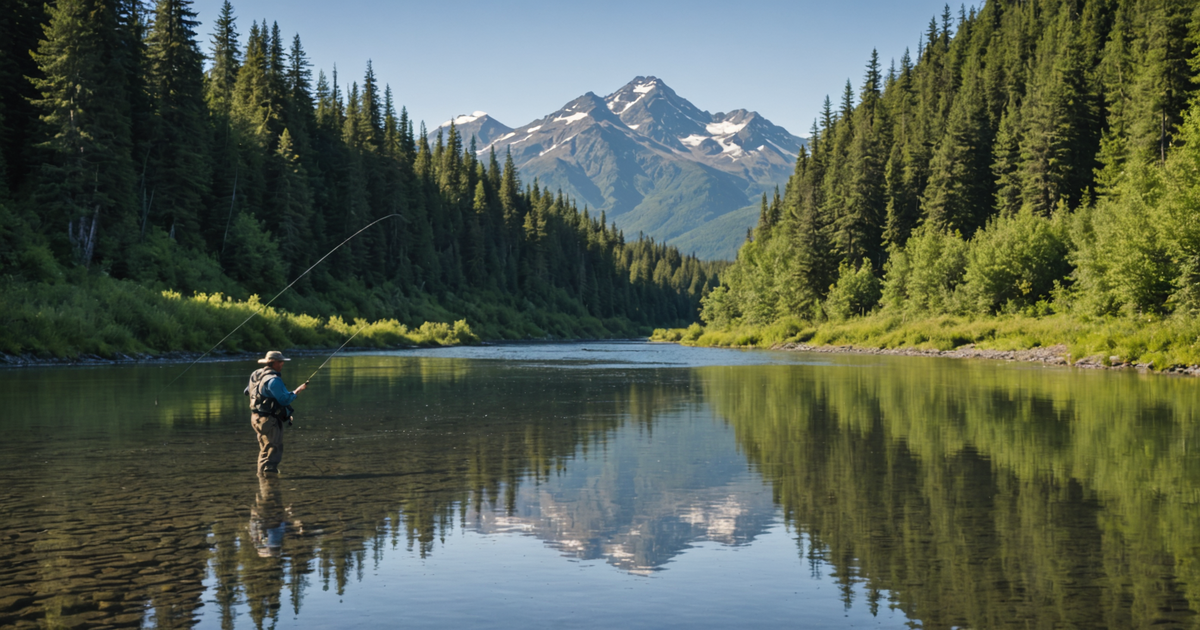
For those new to salmon fishing or who prefer a structured experience, guided tours are available through various providers. Alaska Adventure Guides offers all-inclusive fishing tours, catering to both novice and experienced anglers. Alternatively, if you prefer a more independent approach, consider reading about DIY float fishing trips to tailor your adventure.
Essential Gear and Techniques
Tackle and Equipment
Having the right gear is essential for a successful fishing trip. King salmon are formidable opponents, requiring sturdy rods and reels capable of handling their size and strength. A variety of lures and baits, including salmon jigs, are recommended to increase your chances of a catch.
Fishing Techniques
Mastering specific techniques can significantly enhance your fishing experience. Techniques such as trolling, drifting, and fly fishing are popular among anglers targeting king salmon. Resources like Fish Alaska Magazine offer valuable tips and strategies for catching salmon effectively.
Environmental Considerations
Respecting Nature
Alaska’s pristine environment is a treasure that must be preserved. Practising catch and release, following Leave No Trace principles, and respecting local wildlife are essential for maintaining the natural beauty of this region. It’s also important to stay informed about any environmental regulations that may affect your trip.
Safety Precautions
Safety should always be a priority when exploring Alaska’s wilderness. Weather conditions can change rapidly, and it’s crucial to be prepared for all scenarios. Wearing appropriate clothing, carrying emergency supplies, and being aware of local wildlife hazards will help ensure a safe and enjoyable trip.
Conclusion
Witnessing the king salmon runs in Alaska is an unforgettable experience that combines the thrill of fishing with the awe-inspiring beauty of nature. By understanding the timing, locations, and regulations, and by preparing adequately for your trip, you can make the most of this incredible adventure. Whether you choose a guided tour or a self-planned excursion, the memories you create will last a lifetime.
FAQ
1. What is the best time to see king salmon runs in Alaska?
The peak time for king salmon runs is typically from May to July, with the highest activity usually in June. It’s recommended to check local resources for specific timing.
2. Do I need a license to fish for king salmon in Alaska?
Yes, anglers need a fishing license and a king salmon stamp to fish legally. Visit the Alaska Department of Fish and Game for detailed information on obtaining these permits.
3. Can I fish for king salmon without a guide?
Absolutely, you can choose to fish independently. However, guided tours are recommended for those unfamiliar with the area or new to salmon fishing. Alaska Adventure Guides provides excellent guided options.
4. What gear do I need for king salmon fishing?
You will need a sturdy rod and reel, appropriate tackle, and possibly some specialised lures or baits. See salmon jigs recommendations for more details.
5. Are there any environmental regulations I should be aware of?
Yes, anglers should follow catch and release practices and adhere to any local environmental regulations to protect Alaska’s natural habitats.
6. What safety measures should I take while fishing in Alaska?
Ensure you are prepared for variable weather conditions, carry emergency supplies, and be aware of local wildlife hazards. Following these precautions will help ensure a safe trip.
7. Where can I find more information on planning my Alaska fishing trip?
For comprehensive planning resources, visit Travel Alaska’s fishing section and explore various articles on Alaska Adventure Guides.