

Introduction
Alaska, the Last Frontier, is renowned for its breathtaking landscapes and abundant wildlife, including one of its most prized catches: the King Salmon. Known for their impressive size and fighting spirit, King Salmon are a dream catch for anglers around the globe. The weight of these magnificent fish can vary greatly, with some reaching record-breaking sizes. In this article, we will explore the fascinating world of King Salmon, discussing their average weight, factors affecting their size, and the best spots to catch these giants in Alaska. Whether you are planning your next fishing adventure or simply curious about the King of Salmon, this guide will provide you with everything you need to know. For more detail, see official guidance.
Understanding King Salmon Weight
Average Weight and Size. For more detail, see further information.
King Salmon, also known as Chinook Salmon, are the largest species of Pacific salmon. Their weight can range significantly, with typical catches averaging between 20 and 30 pounds (9 to 14 kg). However, in Alaska’s nutrient-rich waters, some King Salmon can grow much larger. The largest recorded King Salmon, caught in the Kenai River, weighed a staggering 97 pounds (44 kg). These giants are not only a testament to the rich biodiversity of Alaska but also a challenging target for determined anglers. For more detail, see detailed advice.
Factors Influencing Size. For more detail, see planning resources.
Several factors influence the weight of King Salmon. Genetics play a significant role, as does the availability of food. The rich marine ecosystems of Alaska provide abundant food sources, allowing these salmon to grow to impressive sizes. Additionally, environmental conditions such as water temperature and currents can affect their growth. To learn more about the ideal conditions for catching these giants, check out these destinations in Alaska. For more detail, see local insights.
Seasonal Variations
The weight of King Salmon can also vary with the seasons. During the spring and early summer, adult salmon begin their migration from the ocean to freshwater rivers to spawn. This journey is energy-intensive, and salmon may lose weight during this period due to reduced feeding. For anglers hoping to catch hefty specimens, late spring and early summer are ideal times to fish in Alaska’s rivers.
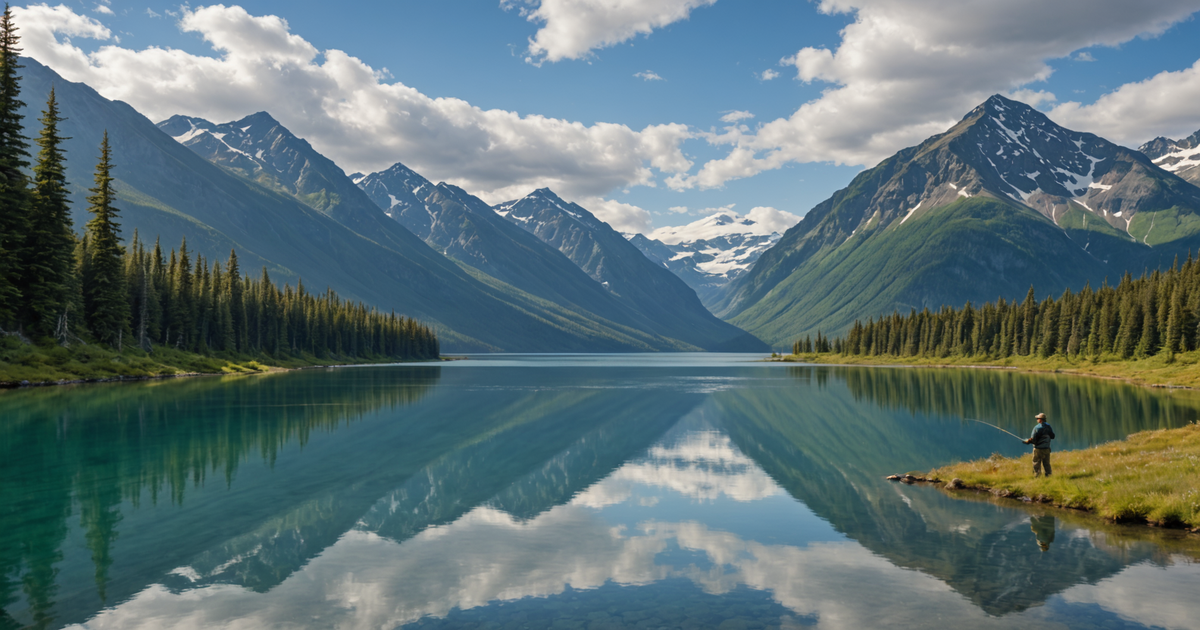
Best Places to Catch King Salmon in Alaska
Kenai Peninsula
The Kenai Peninsula is one of the most famous fishing destinations in Alaska, particularly for King Salmon. The Kenai River, with its record-breaking catches, is a hotspot for anglers. The river’s deep, cool waters provide an optimal environment for salmon to thrive. For those interested in a guided experience, many fishing tours are available to help maximise your chances of landing a trophy fish.
Anchorage Area
The Anchorage area offers convenient access to several productive fishing spots. With numerous rivers and streams within a short drive, anglers can enjoy a variety of fishing experiences. The Ship Creek, located in downtown Anchorage, is a popular spot for urban fishing enthusiasts. For more information on fishing opportunities in this area, visit Anchorage fishing charters.
Chulitna River Lodge
For a more remote and rustic experience, the Chulitna River Lodge offers a unique opportunity to fish in pristine Alaskan wilderness. This area is less crowded, providing a tranquil setting to focus on your fishing skills. Check out the historic Chulitna River Lodge tours for more details.
Regulations and Sustainability
Fishing for King Salmon in Alaska is subject to regulations to ensure the sustainability of the species. Anglers must adhere to size and bag limits, as well as seasonal restrictions. It is important to stay informed about the current fishing regulations to avoid penalties and help conserve these magnificent fish for future generations. Sustainable fishing practices are essential, and adopting techniques like catch-and-release can help maintain healthy salmon populations.
Conclusion
Catching a King Salmon in Alaska is a thrilling experience that combines skill, patience, and a bit of luck. With their impressive size and strength, these fish provide a worthy challenge for any angler. By understanding the factors that influence King Salmon weight and knowing the best locations and seasons to fish, you can improve your chances of landing a trophy catch. Remember to follow local regulations and practice sustainable fishing to ensure that future generations can enjoy the thrill of catching Alaska’s King Salmon.
FAQ
What is the average weight of a King Salmon in Alaska?
The average weight of a King Salmon in Alaska ranges from 20 to 30 pounds (9 to 14 kg). However, larger specimens, particularly in the Kenai River, can exceed 50 pounds (23 kg).
What is the best time of year to catch King Salmon in Alaska?
The best time to catch King Salmon in Alaska is during late spring and early summer when they migrate from the ocean to freshwater rivers to spawn.
Where is the best place to catch King Salmon in Alaska?
Popular locations for catching King Salmon include the Kenai Peninsula, particularly the Kenai River, the Anchorage area, and remote spots like the Chulitna River Lodge.
How can I ensure I am following fishing regulations in Alaska?
To ensure compliance with fishing regulations, regularly check the Alaska Department of Fish and Game’s website for updates on size limits, bag limits, and seasonal restrictions.
What factors influence the size of King Salmon?
Genetics, food availability, and environmental conditions such as water temperature and currents are key factors that influence the size of King Salmon.
Are there guided fishing trips available in Alaska for King Salmon?
Yes, there are numerous guided fishing trips available in Alaska. The Kenai Peninsula and Anchorage area offer various tours to help anglers catch King Salmon.
What are some sustainable fishing practices for King Salmon?
Sustainable practices include adhering to catch-and-release techniques, following size and bag limits, and staying informed about current fishing regulations to help conserve salmon populations.