
Introduction
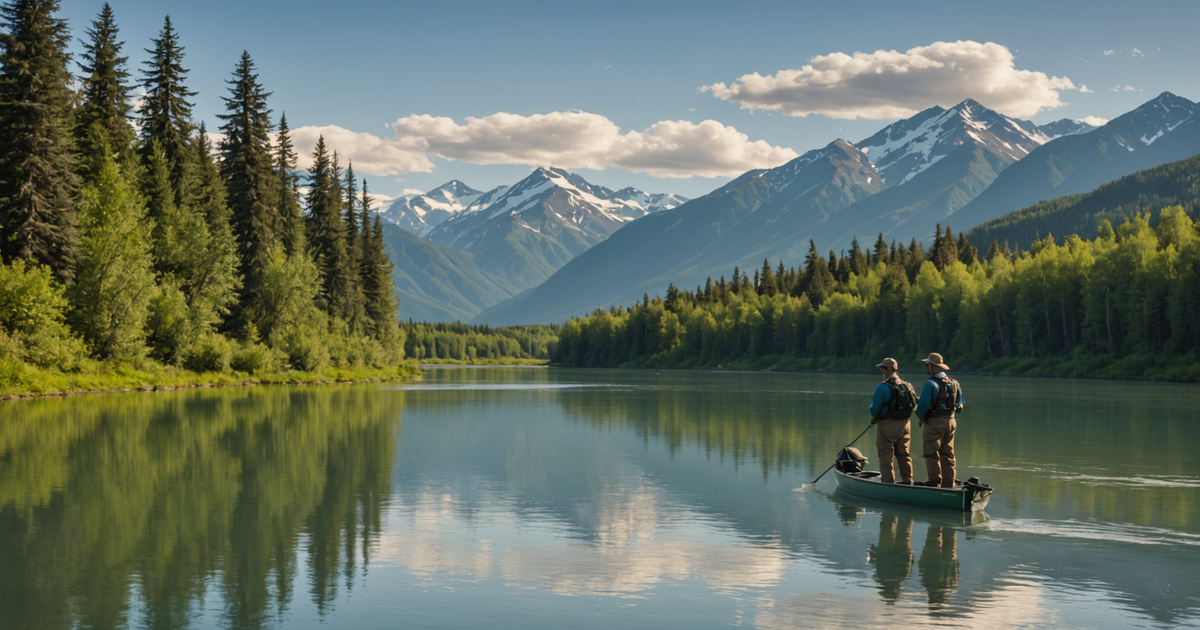
Alaska, the last frontier, is renowned for its breathtaking landscapes and prolific wildlife. Among its many natural wonders, the large Chinook salmon, also known as King salmon, stands out as a prized catch for anglers around the world. This majestic fish, the largest of the Pacific salmon species, draws thousands to the icy waters of Alaska each year. The thrill of reeling in a large Chinook salmon is unmatched, and this guide will take you through everything you need to know about catching these giants in Alaska’s pristine waters. For more detail, see official guidance.
Understanding Large Chinook Salmon
What Defines a Large Chinook Salmon? For more detail, see further information.
The Chinook salmon, or Oncorhynchus tshawytscha, is the largest species of Pacific salmon. They are distinguished by their blue-green back, silvery sides, and distinctive black gum line. A large Chinook salmon typically weighs between 30 to 50 pounds, although some can exceed 100 pounds. In Alaska, the record for the largest Chinook salmon is an impressive 126 pounds. These fish are highly sought after not only for their size but also for their delicious taste and high omega-3 content. For more detail, see detailed advice.
Life Cycle and Habitat. For more detail, see planning resources.
Large Chinook salmon have a fascinating life cycle that begins in the freshwater streams and rivers of Alaska. After hatching, they migrate to the ocean where they spend several years growing and maturing. Upon reaching adulthood, they return to their natal rivers to spawn. This journey can span thousands of miles and is fraught with obstacles, making the survival and eventual catch of these fish even more rewarding. For more detail, see local insights.
Best Locations to Catch Large Chinook Salmon in Alaska
Kenai River
The Kenai River is perhaps the most famous location for catching large Chinook salmon. This river is home to some of the biggest Chinooks on record. Guided salmon fishing in Alaska on the Kenai can enhance your chances of landing a trophy fish. The river’s crystal-clear waters and stunning scenery make it a top destination for anglers.
Copper River
Known for its robust populations of Chinook salmon, the Copper River offers anglers a chance to catch these giants in a relatively remote setting. The fish here are renowned for their high-quality flesh, making them a favourite among chefs and food enthusiasts.
Nushagak River
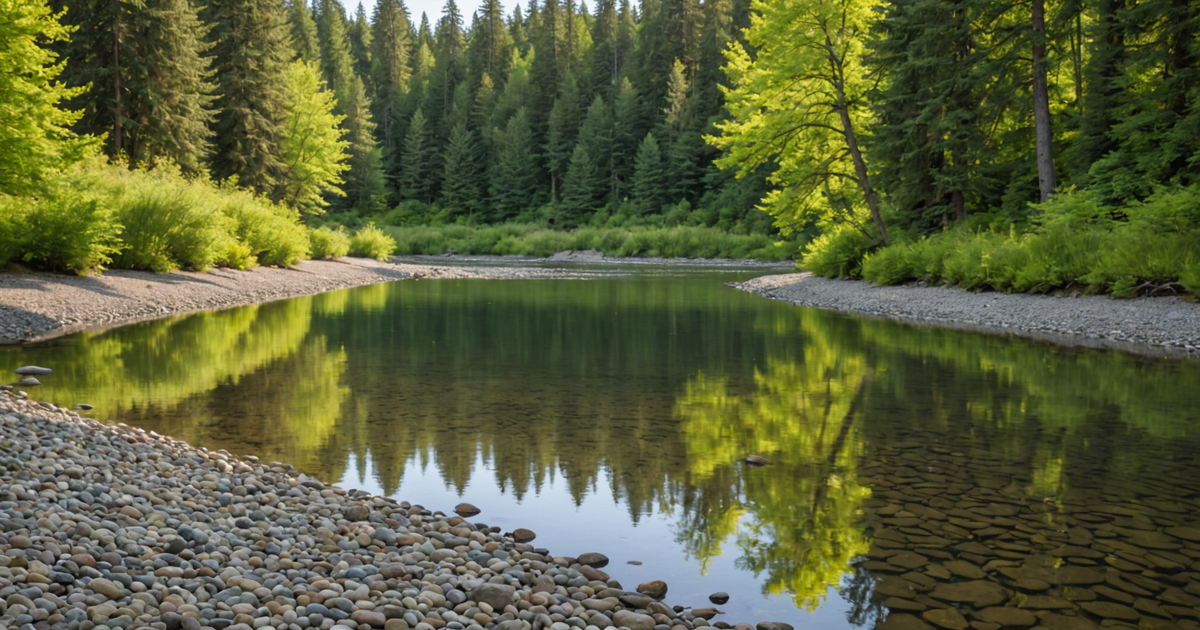
The Nushagak River in southwest Alaska is another prime spot for Chinook salmon fishing. It boasts one of the largest runs of king salmon in the world. Fishing here is best done with the assistance of local guides who are familiar with the river’s nuances.
Techniques and Gear for Catching Large Chinook Salmon
Recommended Gear
When targeting large Chinook salmon, it is essential to have the right gear. A sturdy, medium-heavy rod paired with a quality reel and strong line is recommended. Chinooks are powerful fighters, and having the appropriate equipment can make the difference between a successful catch and a missed opportunity. Consider using high-quality salmon spinners to increase your chances of a strike.
Effective Techniques
Fishing for large Chinook salmon requires patience and skill. Drift fishing, trolling with flashers, and back-bouncing are popular techniques among seasoned anglers. For those new to the sport, learning fishing techniques can be beneficial. Flashers are particularly effective in attracting Chinooks, and knowing the top salmon flashers can give you an edge.
Regulations and Conservation Efforts
Fishing for large Chinook salmon in Alaska is subject to strict regulations to ensure the sustainability of the species. It is important to familiarize yourself with the Alaska Department of Fish and Game regulations before setting out. These regulations include catch limits, size restrictions, and seasonal closures, all designed to protect salmon populations and their habitats.
Conservation efforts are critical in maintaining healthy Chinook salmon populations. Initiatives such as habitat restoration and catch-and-release practices play a vital role in sustaining this iconic species for future generations.
Conclusion
Catching a large Chinook salmon in Alaska is a thrilling and rewarding experience. From understanding their life cycle to selecting the right gear and techniques, many factors contribute to a successful fishing trip. By respecting regulations and supporting conservation efforts, anglers can help ensure the continued abundance of these magnificent fish. Plan your adventure carefully, and you might just find yourself reeling in the catch of a lifetime.
FAQ
What is the best time to fish for large Chinook salmon in Alaska?
The peak season for Chinook salmon fishing in Alaska typically runs from late May to July, depending on the river and region. It’s advisable to check local fishing reports for the best times.
What should I pack for a fishing trip in Alaska?
When fishing for large Chinook salmon, pack layers of clothing to adjust to variable weather conditions, waterproof gear, and essential fishing equipment. It’s also wise to bring insect repellent and a first-aid kit.
Are there guided fishing tours available in Alaska?
Yes, Alaska offers numerous guided fishing tours that provide expertise and equipment, enhancing your chances of a successful catch.
How can I support salmon conservation efforts?
Anglers can support conservation by following catch-and-release practices, respecting fishing regulations, and participating in local habitat restoration projects.
Can I fish for other species while targeting Chinook salmon?
Yes, Alaska’s waters are home to a variety of fish species. You can explore opportunities for trout and grayling fishing during your trip.
What makes Chinook salmon special compared to other salmon?
Chinook salmon are the largest and one of the most prized salmon species due to their size and rich, flavourful meat. They play a significant role in Alaska’s ecosystem and economy.
Are there any specific licences required for salmon fishing in Alaska?
Yes, a valid Alaska sport fishing licence is required for fishing. Make sure to review licensing requirements before your trip.
What conservation measures are in place for Chinook salmon?
The NOAA Fisheries and local organisations implement measures like habitat protection, monitoring populations, and regulating harvests to conserve Chinook salmon.