
Introduction
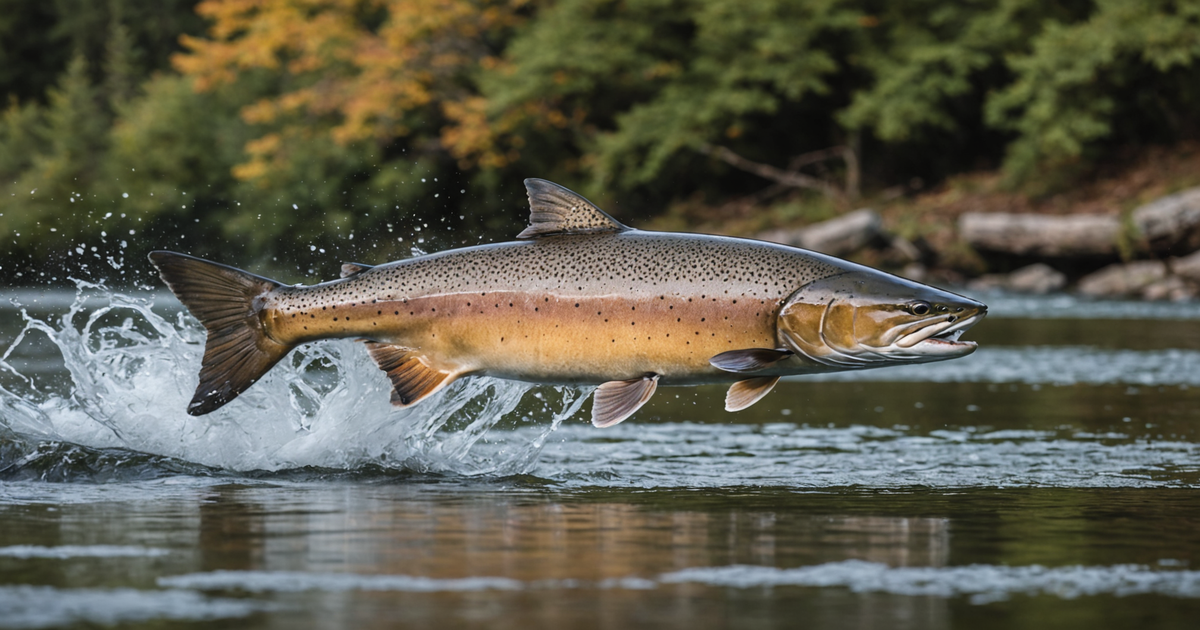
The Chinook salmon, also known as the king salmon, is a preferred catch among fishing enthusiasts due to its size and strength. Known for its remarkable journey from the ocean to the rivers where it spawns, the Chinook is both a challenge and a delight to anglers. For those intrigued by the idea of landing a colossal Chinook, Alaska’s waters offer a promising opportunity. In this post, we will explore the largest Chinook salmon ever caught, delve into the rich history of Chinook fishing, and guide you on how to experience such an adventure in the pristine waters of Alaska. For more detail, see official guidance.
The Majesty of the Chinook Salmon
The Largest Chinook Salmon Ever Caught. For more detail, see further information.
The largest Chinook salmon ever recorded was caught by Les Anderson in 1985. Weighing an astounding 97 pounds and 4 ounces, this magnificent fish was reeled in from the Kenai River in Alaska, marking a world record that still stands today. The Kenai River has long been famous for producing large Chinooks, making it a sought-after destination for fishing enthusiasts around the globe. For more detail, see detailed advice.
The Life Cycle of the Chinook. For more detail, see planning resources.
Understanding the life cycle of the Chinook salmon adds a layer of appreciation for those aiming to catch these giant fish. Chinook salmon are anadromous, meaning they are born in freshwater streams, migrate to the ocean, and return to the freshwater to spawn. This journey is fraught with challenges, showcasing the Chinook’s endurance and adaptability. After spending about one to eight years in the ocean, they embark on their journey back to their natal streams, where they reproduce and eventually die. For more detail, see local insights.
Fishing for Chinook in Alaska
Prime Locations for Chinook Fishing
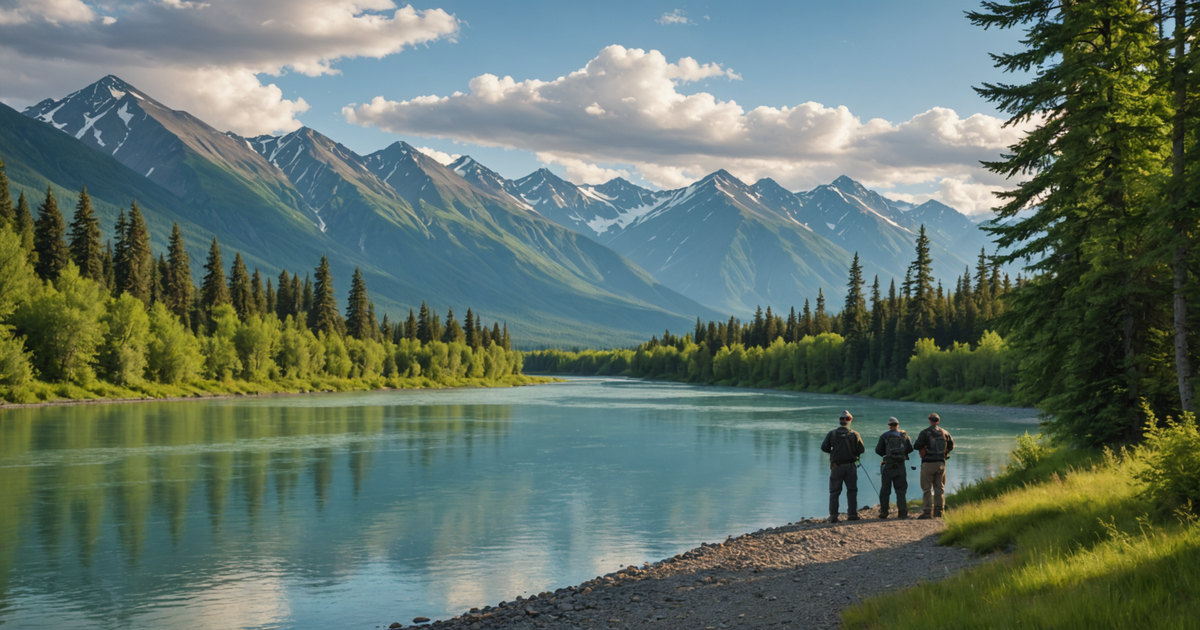
Alaska offers a wealth of opportunities for those hoping to catch large Chinook salmon. The Kenai River remains the most famous, but other notable locations include the Nushagak River and the Kasilof River. Each of these rivers offers not only the chance to catch large Chinooks but also breathtaking scenery that enhances the fishing experience. For more information on Alaska’s fishing hotspots, visit Travel Alaska’s fishing planning page.
Best Practices and Sustainable Fishing
Fishing for Chinook requires not only skill but also a commitment to sustainable practices. Overfishing and environmental changes have impacted Chinook populations, making it crucial for anglers to follow regulations and guidelines. The Alaska Department of Fish and Game provides comprehensive guidelines on fishing seasons, limits, and gear restrictions to ensure that fishing remains a sustainable activity for future generations.
Preparing for Your Fishing Adventure
Preparation is key to a successful Chinook fishing adventure. This includes selecting the right equipment, understanding the river’s conditions, and adhering to safety protocols. For tips on choosing the best gear for your trip, check out our guide to outdoor equipment. Additionally, familiarise yourself with the weather conditions using resources like NOAA to ensure a safe and enjoyable experience.
Conclusion
Fishing for the largest Chinook salmon ever caught is a pursuit filled with excitement and challenge. Alaska’s rich waters provide the perfect backdrop for this adventure, offering anglers the chance to connect with nature and test their skills. By practising sustainable fishing and preparing adequately, you can embark on a memorable journey that not only honours the legacy of Les Anderson’s record catch but also contributes positively to the environment.
FAQ
What is the largest Chinook salmon ever caught?
The largest Chinook salmon ever caught weighed 97 pounds and 4 ounces and was caught by Les Anderson in the Kenai River, Alaska, in 1985.
Where are the best places to fish for Chinook in Alaska?
The Kenai River is renowned for its large Chinook salmon, but other great locations include the Nushagak and Kasilof rivers. For more options, explore Alaska’s fishing charters.
What should I consider when planning a fishing trip to Alaska?
When planning a fishing trip, consider the best time of year, necessary permits, and the type of gear required. Resources like Travel Alaska can assist in planning your trip.
How can I ensure I’m fishing sustainably in Alaska?
Follow the guidelines and regulations set by the Alaska Department of Fish and Game and practice catch and release when possible to help preserve fish populations.
Are there guided fishing tours available in Alaska?
Yes, there are numerous guided fishing tours available, offering expertise and equipment for a successful outing. Discover various Alaska adventure tours to enhance your experience.
What equipment is recommended for Chinook fishing?
For Chinook fishing, strong rods, reels, and lines are recommended to handle the size and strength of the fish. For more detailed gear recommendations, see our outdoor equipment guide.
Is a fishing licence required in Alaska?
Yes, a fishing licence is required. Licences are available through the Alaska Department of Fish and Game and must be obtained prior to fishing.
Can I catch other fish in Alaska besides Chinook salmon?
Absolutely! Alaska offers a variety of fishing opportunities ranging from Arctic grayling to rainbow trout. Explore the fishing opportunities in Alaska for more information.