
Introduction
Salmon fishing in Alaska is an experience that draws anglers from across the globe. Known for its pristine waters and abundant fish populations, Alaska offers some of the best opportunities for catching salmon. However, before you cast your line, it’s essential to understand the different names of salmon species you’ll encounter in these waters. This guide will explore the names, characteristics, and habitats of Alaska’s salmon species, providing you with valuable insights for a successful fishing trip. For more detail, see official guidance.
The Five Major Salmon Species of Alaska
Chinook Salmon (King Salmon). For more detail, see further information.
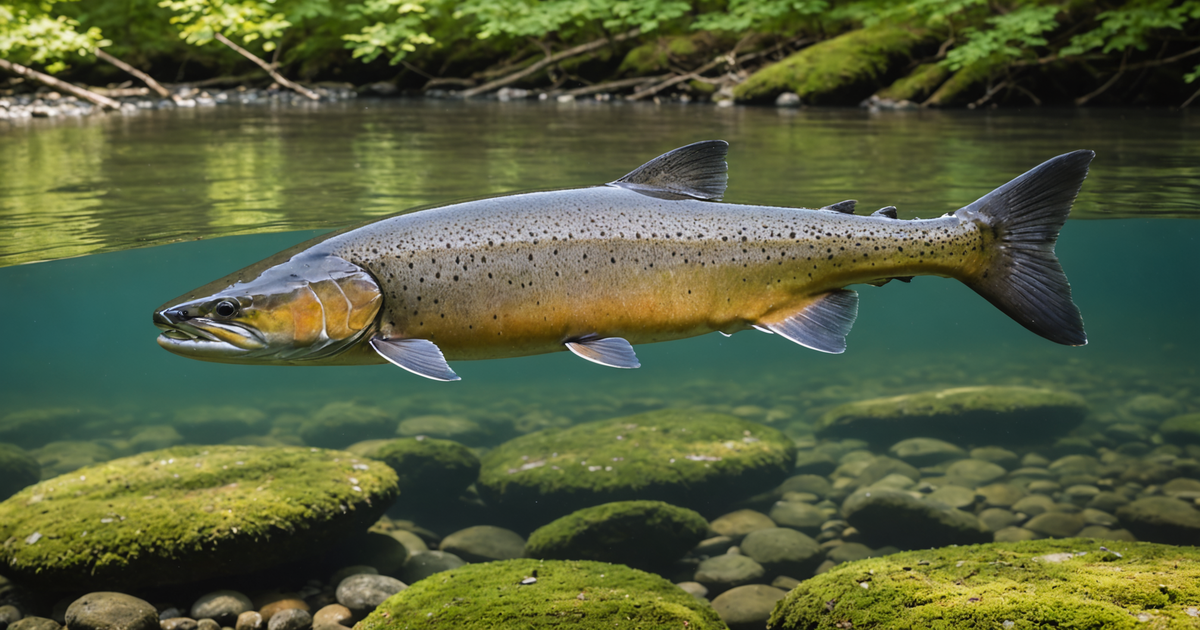
Chinook salmon, also known as king salmon, are the largest of the Pacific salmon species. They can weigh over 100 pounds and are highly prized for their size and rich flavour. King salmon are typically found in the deep, swift waters of Alaska’s rivers and are known for their distinctive black gums. For more detail, see detailed advice.
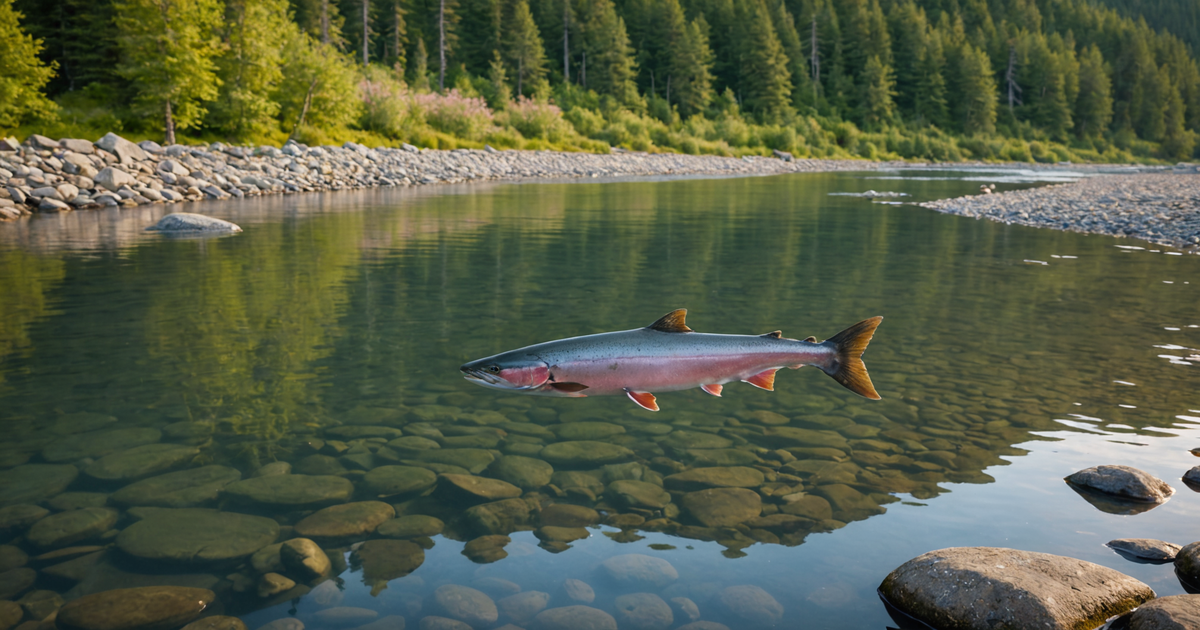
For those interested in fishing for Chinook, timing is crucial. The best months are typically from May through July. Anglers often use techniques like trolling and drift fishing to catch these giants. For more tips on catching large salmon, check out our angling tips. For more detail, see planning resources.
Coho Salmon (Silver Salmon). For more detail, see local insights.
Coho salmon, or silver salmon, are known for their acrobatic leaps and aggressive behaviour. They typically weigh between 8 to 12 pounds, making them a favourite among sport fishers. Coho are predominantly found in coastal streams and rivers from July to November.
These salmon are best targeted using spinners, flies, and spoons. Their aggressive nature means they often strike hard and fast, making for an exciting fishing experience. Learn more about effective spinners in our guide to high-spin salmon spinners.
Sockeye Salmon (Red Salmon)
Sockeye salmon are renowned for their vibrant red flesh and are a vital part of Alaska’s commercial fishery. Typically weighing between 4 to 8 pounds, they are smaller than their Chinook and Coho counterparts but are no less significant.
Sockeye are primarily plankton feeders, making them more challenging to catch with typical bait. Anglers often use fly fishing techniques to target these salmon as they migrate upstream to spawn. For a comprehensive list of the best fly fishing destinations in Alaska, consider this fly fishing guide.
Pink Salmon (Humpy Salmon)
Pink salmon are the smallest of the five species, generally weighing between 3 to 5 pounds. Despite their size, they are the most abundant and are known for their rapid growth and distinctive humped backs that form when spawning.
The best time to fish for pink salmon is during their peak runs in even-numbered years, from mid-July to late August. Their abundance makes them an excellent choice for beginners looking to experience the thrill of salmon fishing.
Chum Salmon (Dog Salmon)
Chum salmon, also known as dog salmon due to their canine-like teeth, are common in Alaska’s waters. They are generally larger than pink salmon, weighing between 10 to 15 pounds. Chum salmon are appreciated for their roe, which is often used in caviar production.
These fish are typically found in large schools and are best caught using drift nets and seines. Their spawning runs occur from June through September, with peak activity in August.
Fishing Regulations and Conservation
Understanding and adhering to local fishing regulations is crucial when fishing for salmon in Alaska. The Alaska Department of Fish and Game provides comprehensive information on seasonal limits, catch-and-release guidelines, and licensing requirements. Responsible fishing ensures the sustainability of these magnificent species for future generations.
Best Fishing Locations in Alaska
Alaska boasts numerous fishing spots that attract anglers year-round. Popular destinations include the Kenai River, known for its record-breaking king salmon, and the Kasilof River, a prime location for first-time fishers. These sites offer not just excellent fishing opportunities but also breathtaking scenery.
For those planning a fishing trip, resources like Travel Alaska provide valuable insights into planning an unforgettable Alaskan adventure.
Conclusion
Fishing for salmon in Alaska is more than just a pastime—it’s an adventure that connects you to the wild beauty of the Last Frontier. By understanding the different names of salmon species and their unique characteristics, you can tailor your fishing techniques to maximise your chances of success. Whether you’re a seasoned angler or a novice, Alaska’s waters offer something for everyone. For more detailed travel and fishing guides, explore our travel guides to prepare for your next Alaskan fishing trip.
FAQ
What is the largest type of salmon in Alaska?
The Chinook salmon, also known as king salmon, is the largest type, often weighing over 100 pounds.
When is the best time to fish for Coho salmon in Alaska?
Coho salmon are best fished from July to November, depending on the specific river or stream.
Are there any fishing restrictions in Alaska?
Yes, there are various fishing regulations in place. It’s essential to check the Alaska Department of Fish and Game for current guidelines and licensing requirements.
What gear is recommended for fly fishing Sockeye salmon?
Fly rods with weighted lines and bright flies are recommended for Sockeye salmon, which are plankton feeders.
Where can beginners fish for salmon in Alaska?
Beginners can start at locations like the Kasilof River, which is excellent for first-time fishers. For more tips, read our Kasilof River fishing guide.
Can I book guided fishing tours in Alaska?
Yes, guided fishing tours are available and recommended for those unfamiliar with the area. Resources like Screamin Reels can help plan a successful fishing vacation.
What environmental factors should I consider when planning a fishing trip to Alaska?
Weather conditions and river levels are crucial factors. It’s wise to check forecasts on Weather.gov before your trip.