
Introduction
Alaska is renowned for its stunning landscapes and rich biodiversity, making it a prime destination for anglers worldwide. Among its aquatic treasures, salmon stands out as one of the most sought-after fish species. With five distinct names of salmon fish recognised in Alaska’s waters, each offers unique challenges and rewards for fishing enthusiasts. Whether you’re planning a guided fishing trip or seeking a self-guided adventure, understanding these salmon species will enhance your Alaskan fishing experience. This comprehensive guide will explore the various salmon species found in Alaska, where to catch them, and essential tips for your fishing journey. For more detail, see official guidance.
The Five Species of Salmon in Alaska
Alaska is home to five primary salmon species, each with distinctive features and seasonal behaviours. These species are:. For more detail, see further information.
1. Chinook Salmon (Oncorhynchus tshawytscha). For more detail, see detailed advice.
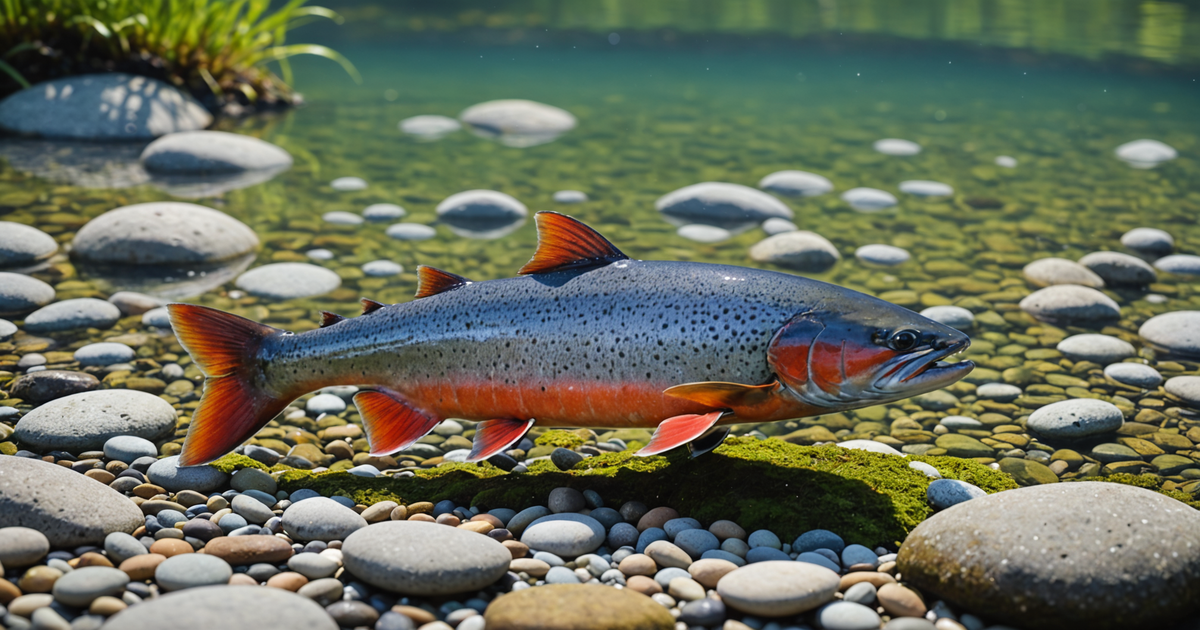
Commonly known as king salmon, Chinook is the largest of the Pacific salmon species. They are prized for their size, often weighing between 10 to 50 pounds, with some reaching up to 100 pounds. Chinook salmon are typically found in larger rivers such as the Kenai and Kasilof, offering an exhilarating guided fishing experience for both novice and seasoned anglers. For more detail, see planning resources.
2. Sockeye Salmon (Oncorhynchus nerka). For more detail, see local insights.
Also known as red salmon due to their vibrant red colour during spawning, sockeye are smaller in size, generally weighing between 5 to 15 pounds. They are known for their delicious taste and are highly sought after for both sport and commercial fishing. The Bristol Bay area is renowned for its sockeye salmon runs, making it a popular destination for anglers seeking the thrill of the catch.
3. Coho Salmon (Oncorhynchus kisutch)
Referred to as silver salmon, coho are known for their aggressive nature, making them a favourite among sport fishermen. They typically weigh between 8 to 12 pounds. Coho salmon can be found in abundance in the waters of Southeast Alaska, particularly in late summer and early autumn.
4. Pink Salmon (Oncorhynchus gorbuscha)
Pink salmon, often called humpies due to the distinct hump males develop during spawning, are the most abundant species. Despite being the smallest, averaging 3 to 5 pounds, they provide exceptional opportunities for DIY fishing trips. Pink salmon are prevalent in odd-numbered years, especially in Prince William Sound and the Southeast.
5. Chum Salmon (Oncorhynchus keta)
Known as dog salmon for their canine-like teeth, chum salmon are valued for their roe and often weigh between 7 to 18 pounds. They are commonly found in the Yukon and Kuskokwim rivers. Chum salmon are also targeted by commercial fisheries due to their high-quality roe.
Best Locations to Catch Salmon in Alaska
Alaska’s diverse geography offers numerous locations ideal for salmon fishing. Here are some top spots:
-
Kenai River: Known for its record-breaking king salmon, the Kenai River is a must-visit for anglers seeking big catches. For first-time visitors, a Kasilof River fishing guide is highly recommended.
-
Bristol Bay: This area boasts the world’s largest sockeye salmon fishery, providing unrivalled opportunities for both sport and commercial fishing.
-
Southeast Alaska: Rich in coho and pink salmon, this region offers picturesque scenery and abundant fish populations.
-
Kodiak Island: Known for its chum and pink salmon, Kodiak Island provides a unique fishing experience in a stunning setting.
Essential Tips for Salmon Fishing in Alaska
Embarking on a salmon fishing adventure in Alaska requires preparation and knowledge. Here are some essential tips:
-
Understand Regulations: Familiarise yourself with the fishing regulations in Alaska to ensure compliance and sustainable fishing practices.
-
Choose the Right Gear: Selecting the appropriate fishing gear is crucial. Consider the size and type of salmon you are targeting, and adjust your tackle accordingly.
-
Hire a Guide: For those new to Alaska, hiring a guided fishing tour can enhance your experience and increase your chances of a successful catch.
-
Timing is Key: Salmon runs vary by species and location. Research the best times to visit based on the salmon species you wish to catch.
Conclusion
Fishing for salmon in Alaska is an unparalleled experience, offering both the thrill of the catch and the splendour of the state’s natural beauty. By understanding the different names of salmon fish and their unique characteristics, anglers can better plan their trips and maximise their chances of success. Whether you’re a seasoned fisherman or a beginner, Alaska’s waters promise an unforgettable adventure.
FAQ
What are the names of the five salmon species found in Alaska?
The five salmon species in Alaska are Chinook, Sockeye, Coho, Pink, and Chum salmon.
Where is the best place to fish for king salmon in Alaska?
The Kenai River is renowned for its large king salmon and is a top destination for anglers seeking big catches.
When is the best time to fish for sockeye salmon in Alaska?
Sockeye salmon are most abundant in July, especially in the Bristol Bay area.
Do I need a fishing licence to fish for salmon in Alaska?
Yes, a fishing licence is required. You can learn more about obtaining one here.
Can I fish for salmon in Alaska without a guide?
Yes, many anglers choose DIY fishing trips, but hiring a guide can enhance the experience, especially for newcomers.
Are there any restrictions on salmon fishing in Alaska?
Yes, there are specific regulations regarding catch limits and seasons. It’s important to review the fishing regulations before your trip.
What is the smallest salmon species in Alaska?
Pink salmon are the smallest, averaging 3 to 5 pounds, and are highly abundant during odd-numbered years.
How can I ensure sustainable fishing practices while in Alaska?
Adhering to fishing regulations and practising catch and release when appropriate can help maintain sustainable fish populations. For more information, visit the Alaska Department of Fish and Game.