
Introduction
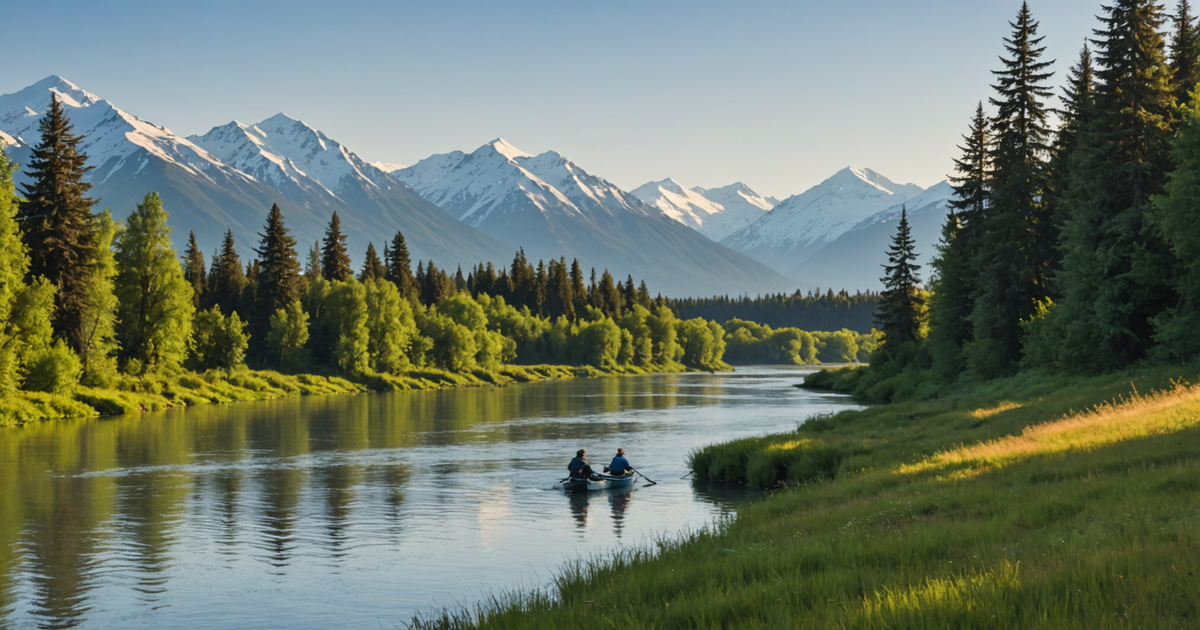
The sockeye salmon, a prized species in Alaskan waters, is renowned for its vibrant red hue and rich flavour. This fish is not only a staple for local cuisine but also a sought-after catch for anglers worldwide. Known by various names, understanding the different terminologies can be crucial for both culinary enthusiasts and fishing aficionados planning trips to Alaska. This article delves into the other names for sockeye salmon, explores the best fishing practices, and guides planning an unforgettable Alaskan fishing adventure. For more detail, see official guidance.
Understanding Sockeye Salmon
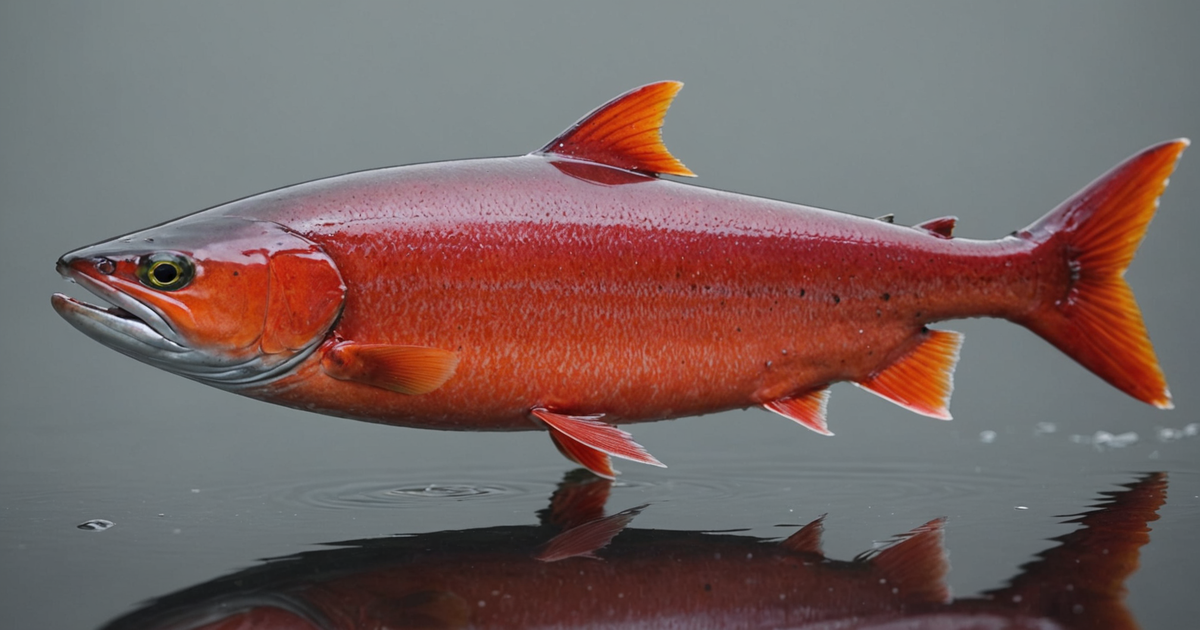
Sockeye salmon, scientifically known as Oncorhynchus nerka, is a species integral to Alaska’s marine ecosystem. This species is distinguished by its brilliant red flesh, which is not only visually appealing but also packed with nutrients. The sockeye’s migratory nature sees it traverse from the ocean to freshwater streams for spawning, making it an exciting target for anglers. For more detail, see further information.
Other Names for Sockeye Salmon. For more detail, see detailed advice.
In the realm of fishing, knowing the local vernacular is vital. The sockeye salmon is also referred to by several other names:. For more detail, see planning resources.
- Red Salmon: This name stems from the deep red colour of the sockeye’s flesh, a distinguishing feature that sets it apart from other salmon species.
- Blueback Salmon: This term is often used when referring to the sockeye in its marine phase, where it exhibits a bluish tint on its back.
- Kokanee: While typically referring to the landlocked version of the sockeye, this term is used in some regions. For more detail, see local insights.
These alternative names can be useful when discussing fishing opportunities with locals or planning trips online.
The Best Time and Places to Fish for Sockeye Salmon in Alaska
Timing and location are crucial when fishing for sockeye salmon. The fishing season generally peaks from mid-June to late July, with some variation depending on the river systems. Prime locations include the Kenai River, which is renowned for its guided fishing tours and the Kasilof River, great for first-timers.
Guided Fishing Trips
For those unfamiliar with Alaska’s vast wilderness, opting for a guided fishing trip can enhance the experience. Companies like Alaska Adventure Guides offer comprehensive packages that include knowledgeable guides, equipment, and access to prime fishing spots. These tours are invaluable for both novice and seasoned anglers looking to maximise their catch.
Fishing Techniques and Gear
To successfully catch sockeye salmon, employing the right techniques and gear is essential. Here are some recommended methods:
Float Fishing
Float fishing is particularly effective in clear waters. This method involves using a float to drift bait naturally with the current, allowing for a more precise presentation. Learn more about float fishing rigs to optimise your gear for Alaskan waters.
Jig Fishing
Jigging is another popular technique, especially in river systems with strong currents. Using the best salmon jigs can make a significant difference in attracting sockeye salmon.
Environmental Considerations
Fishing in Alaska comes with a responsibility to preserve its pristine environment. Adhering to local fishing regulations is paramount. The Alaska Department of Fish and Game provides comprehensive guidelines on sustainable fishing practices to ensure the health of fish populations and ecosystems.
Conclusion
Understanding the other names for sockeye salmon is more than just a linguistic exercise; it enriches the cultural and practical aspects of fishing in Alaska. Whether referred to as red salmon or blueback, these names reflect the rich heritage and diverse habitats of this species. By planning well and respecting the environment, anglers can look forward to an exhilarating and rewarding experience fishing for sockeye salmon in the Alaskan wilderness.
FAQ
What are the other names for sockeye salmon?
Sockeye salmon are also known as red salmon, blueback salmon, and kokanee in certain regions.
When is the best time to fish for sockeye salmon in Alaska?
The peak season for sockeye salmon fishing in Alaska is from mid-June to late July.
What are some recommended fishing techniques for sockeye salmon?
Float fishing and jigging are effective techniques for catching sockeye salmon. Using appropriate gear like float fishing rigs and salmon jigs is crucial.
Where can I find guided fishing tours in Alaska?
Guided fishing tours are available through Alaska Adventure Guides, offering expert guidance and access to prime fishing locations.
How can I ensure sustainable fishing practices in Alaska?
Adhering to the Alaska Department of Fish and Game’s regulations is essential for sustainable fishing, ensuring the conservation of fish populations and their habitats.
What is the significance of the Kenai River for sockeye salmon fishing?
The Kenai River is a renowned destination for sockeye salmon fishing, known for its abundant fish runs and guided tours that cater to anglers of all experience levels.
Are there any cultural aspects associated with sockeye salmon in Alaska?
Yes, sockeye salmon hold significant cultural value in Alaska, being a staple in local cuisine and a key element of traditional fishing practices among indigenous communities.
What are the environmental impacts of fishing for sockeye salmon?
Sustainable fishing practices are crucial to minimise environmental impacts. Following local regulations helps maintain the health of ecosystems and ensures the longevity of sockeye salmon populations.