
Introduction
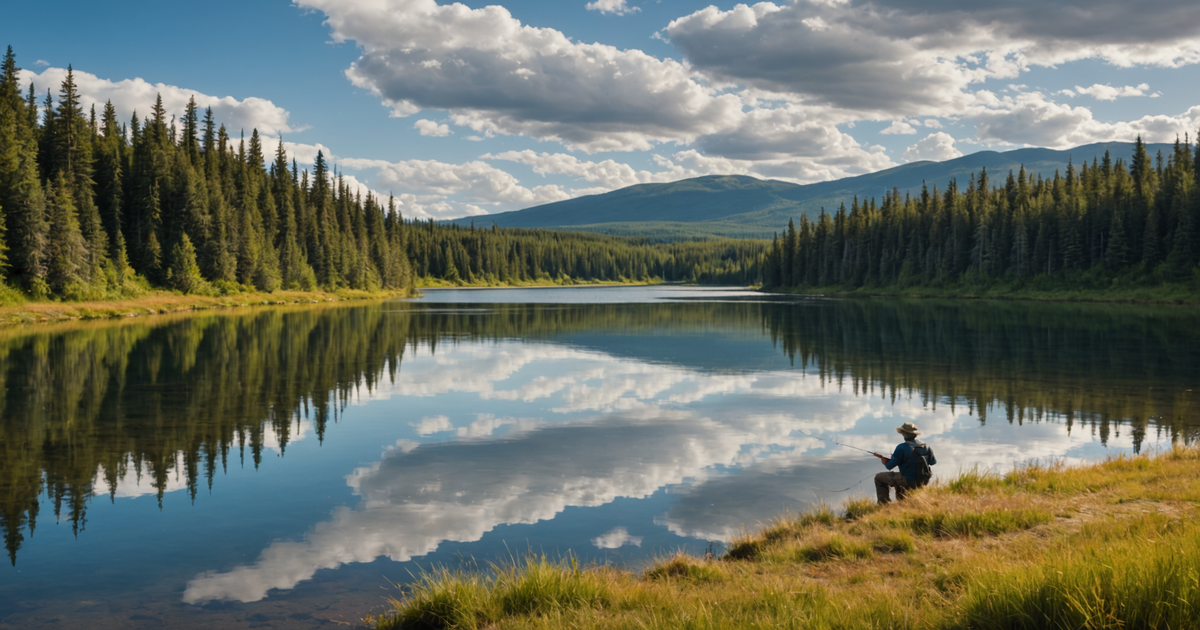
Pike fishing in Fairbanks, Alaska, offers an invigorating experience for anglers seeking the thrill of the catch in the heart of the Alaskan wilderness. Known for their aggressive nature and elusive presence, Northern Pike present a unique challenge that draws fishing enthusiasts from around the globe. Fairbanks, with its pristine waters and stunning landscapes, is an ideal destination for both seasoned anglers and beginners alike. This guide aims to provide comprehensive information to help you plan your pike fishing adventure in Fairbanks, Alaska, detailing everything from the best times to fish to the equipment you’ll need for a successful trip. For more detail, see official guidance.
Why Fairbanks, Alaska?
Fairbanks, often referred to as the “Golden Heart City,” is not just a gateway to the Arctic but a haven for outdoor enthusiasts. Its location in the interior of Alaska provides a unique climate and ecosystem ideal for Northern Pike fishing. The abundance of lakes and rivers in this region makes it a prime location for fishing trips year-round. The Chena River, Minto Flats, and Harding Lake are just a few of the popular spots where you can cast your line. For more detail, see further information.
In addition to its natural beauty, Fairbanks offers a range of guided fishing tours that cater to different skill levels, ensuring that everyone, from beginners to expert anglers, can enjoy the thrill of pike fishing. Local guides bring invaluable expertise and knowledge of the area, enhancing your chances of a successful catch. . For more detail, see detailed advice.
Best Time for Pike Fishing in Fairbanks
The best time for pike fishing in Fairbanks depends largely on the season and the specific conditions of the waterways. Spring and early summer, from May to July, are typically the most productive months for pike fishing. During this period, pike are more active as they feed heavily after spawning. . For more detail, see planning resources.
However, fishing in the fall, from September to October, can also be rewarding as pike prepare for the winter months. The colder seasons offer a different experience, with ice fishing becoming a popular activity for those equipped to brave the frigid temperatures. For detailed information on seasonal fishing regulations, check the Alaska Department of Fish and Game. For more detail, see local insights.
Equipment and Techniques
When it comes to pike fishing in Fairbanks, having the right equipment is essential. A medium to heavy action rod with a robust reel is recommended, as pike are known for their strength and fight. A braided line with a fluorocarbon leader is ideal for withstanding the sharp teeth of a pike.
Popular lures include spoons, spinnerbaits, and soft plastics that mimic the movement of a pike’s natural prey. The Alaska Salmon Candy is a local favourite, often used for its effectiveness in attracting pike. For those interested in sustainable fishing practices, consider reviewing ethical angling tips.
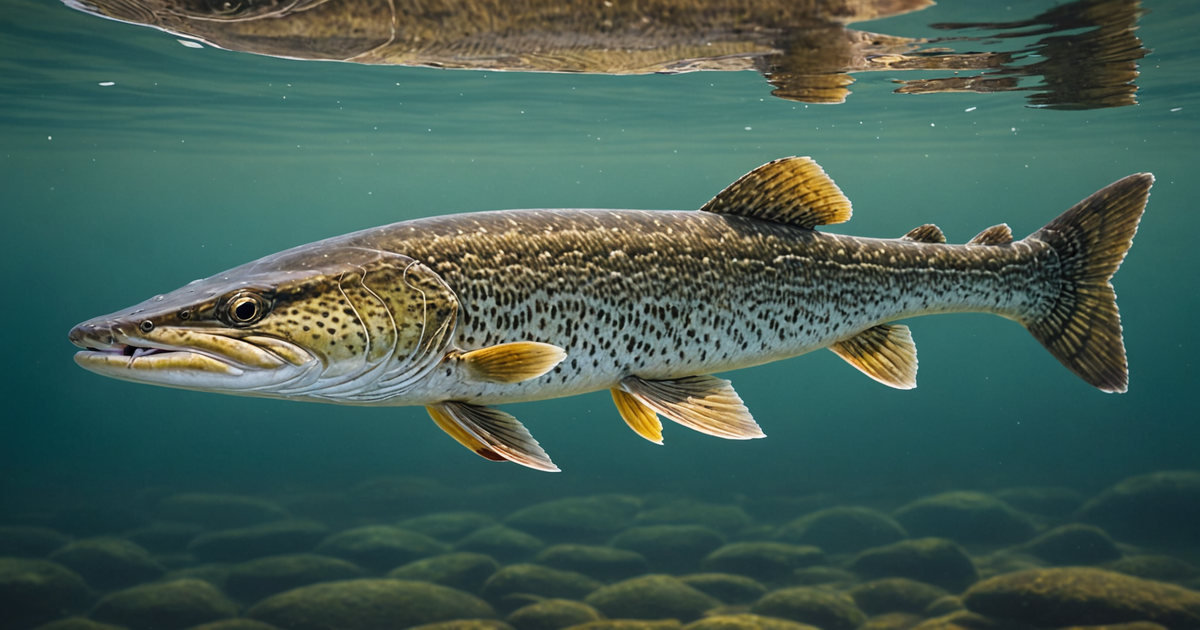
In addition to the right gear, understanding the behaviour of pike is crucial. They are ambush predators, often lurking in weedy areas or near submerged structures. Casting your lure near these areas with a slow retrieval can increase your chances of a successful catch.
Preparing for Your Trip
Planning a fishing trip to Fairbanks requires more than just packing your gear. It’s important to prepare for the variable weather conditions typical of Alaska. Layers, waterproof clothing, and sturdy boots are advisable, regardless of the season.
Ensuring that you have the necessary fishing licence is also crucial. Licences are available through the Alaska Department of Fish and Game, and it’s essential to familiarise yourself with the local regulations to ensure compliance. For those seeking a more guided experience, booking a fishing charter in advance can provide additional resources and expertise.
Additional Activities in Fairbanks
Beyond fishing, Fairbanks is rich with activities that can enrich your Alaskan experience. From exploring the stunning wildlife to embarking on a snowshoe adventure, there’s no shortage of things to do. For those interested in cultural experiences, Fairbanks offers museums and historical sites that delve into the region’s indigenous and gold rush history.
Conclusion
Pike fishing in Fairbanks, Alaska, offers a unique blend of adventure, challenge, and natural beauty. Whether you’re an avid angler or a beginner looking to try something new, the waters of Fairbanks provide a perfect backdrop for an unforgettable fishing trip. With the right preparation and guidance, you can enjoy all that this stunning region has to offer.
FAQ
1. Do I need a fishing licence to fish in Fairbanks, Alaska?
Yes, a fishing licence is required for all anglers in Alaska. You can obtain one through the Alaska Department of Fish and Game.
2. What is the best time of year for pike fishing in Fairbanks?
The best time is during the spring and early summer months, from May to July, when pike are most active.
3. Can I fish for pike in the winter?
Yes, ice fishing is popular during the winter months, offering a unique fishing experience.
4. What equipment should I bring for pike fishing?
A medium to heavy action rod, a robust reel, braided line, and lures such as spoons and spinnerbaits are recommended.
5. Are there guided fishing tours available in Fairbanks?
Yes, there are numerous guided fishing tours available that cater to different skill levels.
6. What other activities can I do in Fairbanks besides fishing?
Fairbanks offers a variety of activities, including wildlife tours, snowshoeing, and cultural experiences.
7. Are there any specific regulations I should be aware of?
It’s important to familiarise yourself with local fishing regulations, which can be found on the Alaska Department of Fish and Game website.
8. What is the best way to learn more about fishing practices in Alaska?
Visiting resources such as Alaska Adventure Guides can provide valuable information on angling techniques and sustainable practices.