
Introduction
Alaska is a land of wild beauty and bountiful fishing opportunities, making it a prime destination for anglers worldwide. Among the various fish species that populate Alaskan waters, the pink salmon, scientifically known as Oncorhynchus gorbuscha, holds significant importance. Known for their unique life cycle and distinct characteristics, pink salmon are a cornerstone of Alaskan fisheries. Yet, identifying them can be somewhat tricky due to the numerous names they go by. This comprehensive guide will delve into the various pink salmon names, helping you identify them more easily when fishing in Alaska. For more detail, see official guidance.
Understanding Pink Salmon
Pink salmon, also known as “humpy” due to the pronounced hump males develop during spawning, are the most abundant of the Pacific salmon species. They are highly valued not only for their taste but also for their ecological importance. 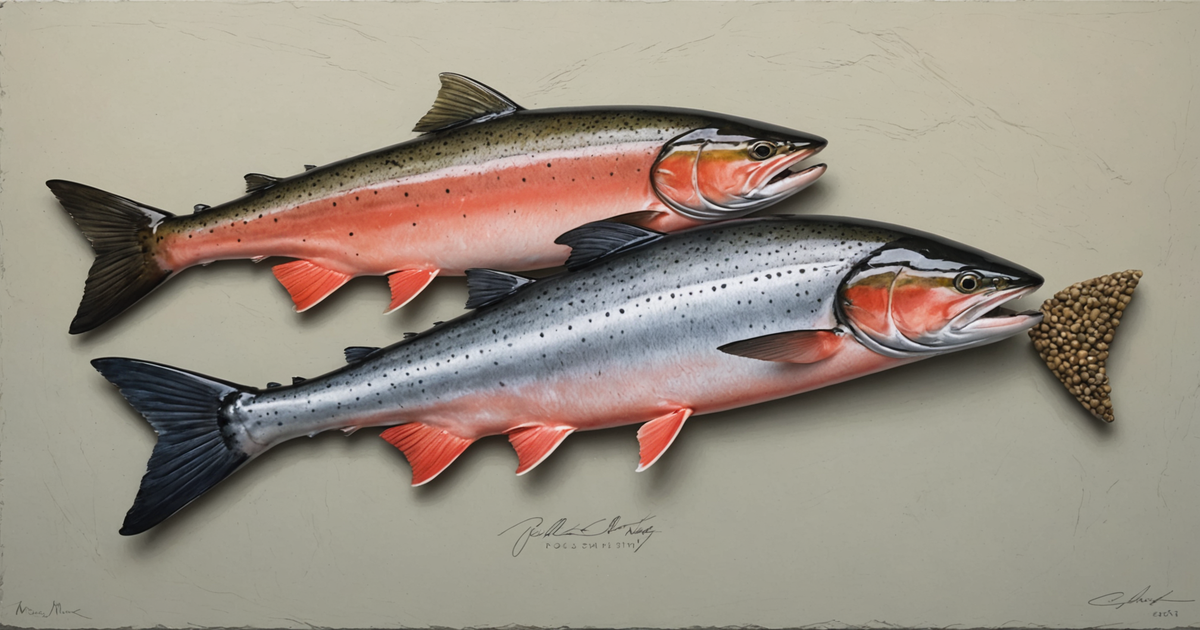 . For more detail, see further information.
Common Names and Nicknames. For more detail, see detailed advice.
Pink salmon are referred to by several names, depending on the region and context. The most common name, “humpback salmon,” stems from the male’s distinctive hump. They are also simply called “pinks” because of their flesh colour. In Alaska, you might hear them referred to as “humpies,” a colloquial nickname that speaks to the affection and familiarity locals have with this species. For more detail, see planning resources.
Scientific Classification. For more detail, see local insights.
The scientific name for pink salmon is Oncorhynchus gorbuscha. Belonging to the family Salmonidae, they share this classification with other salmon species such as chinook and sockeye. Understanding their scientific classification can be particularly useful for anglers who wish to differentiate between species when planning a fishing trip in Alaska. For more detailed species information, you can refer to the Alaska Department of Fish and Game.
Identifying Pink Salmon
Physical Characteristics
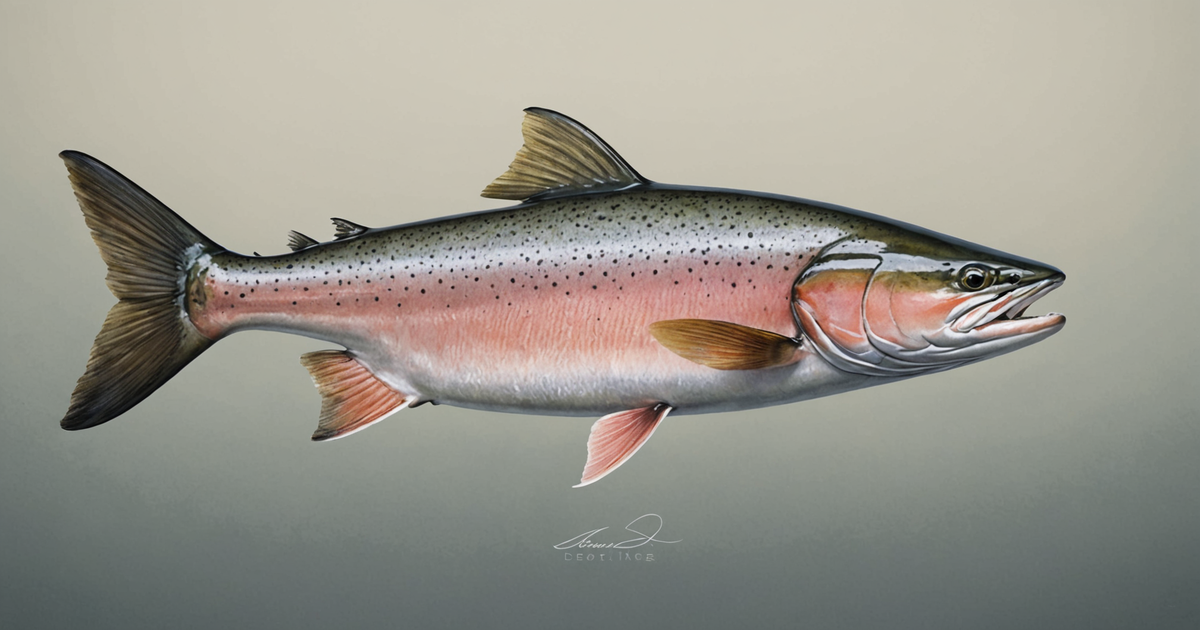
Pink salmon are the smallest of the Pacific salmon species, typically weighing between 3 to 5 pounds. They possess a streamlined, torpedo-shaped body with a light pinkish hue. Their backs are a cool, bluish-green, which helps them blend seamlessly into the aquatic environment.
Spawning Changes
One of the most remarkable transformations occurs during spawning. Males develop a distinct hump, an enlarged head, and sharp teeth, making them easily identifiable. Females, while less dramatic in their changes, become darker. These transformations are crucial for identification during the spawning season.
Habitat
Pink salmon are anadromous, meaning they migrate from the ocean to freshwater rivers and streams to spawn. They are found throughout the coastal regions of Alaska, with significant populations in the Prince William Sound and the Southeast. For a comprehensive guide on fishing these waters, consider the fishing charters available in Alaska.
Importance of Pink Salmon
Ecological Role
Pink salmon play a vital role in the ecosystem. They contribute nutrients to both aquatic and terrestrial environments through their life cycle. The die-off of post-spawning salmon enriches the waters and surrounding landscapes, supporting a range of wildlife from bears to birds.
Economic Impact
Economically, pink salmon are a significant species for commercial fisheries. They are often harvested for canning and smoking, providing livelihoods for many Alaskans. The unique fishing experiences they offer are a draw for tourists, further boosting the local economy. Those interested in planning a fishing trip can find helpful insights on My Alaska Fishing Trip.
Fishing for Pink Salmon
Best Practices
To successfully catch pink salmon, it’s crucial to understand their behaviour and preferred habitats. They are often found in large schools near river mouths during the spawning season. Using the right equipment, such as effective salmon flashers, can significantly increase your chances of a successful catch.
Regulations and Conservation
When fishing for pink salmon in Alaska, it’s essential to adhere to local regulations to ensure sustainable practices. Always check the Alaska Department of Fish and Game regulations before heading out. These regulations are designed to protect the delicate balance of Alaska’s ecosystems and ensure that fish populations remain healthy for future generations.
Conclusion
Understanding the various names and characteristics of pink salmon is vital for anyone venturing into the waters of Alaska. Whether you’re a seasoned angler or a novice, knowing how to identify and fish for pink salmon can greatly enhance your Alaskan adventure. By respecting local regulations and employing sustainable fishing practices, you can help preserve this remarkable species for years to come.
FAQ
What are the most common names for pink salmon?
The most common names for pink salmon include “humpback salmon,” “humpy,” and “pinks.”
How can I identify a pink salmon?
Pink salmon can be identified by their light pinkish hue, streamlined body, and the pronounced hump males develop during spawning.
Where are the best places to fish for pink salmon in Alaska?
Popular fishing spots include the Prince William Sound and the Southeast coastal regions. Consider checking out available fishing charters for guided experiences.
What equipment is best for catching pink salmon?
Using salmon flashers and other specialised gear can improve your chances of catching pink salmon.
Are there specific regulations for fishing pink salmon in Alaska?
Yes, always refer to the Alaska Department of Fish and Game regulations to stay informed about current rules and guidelines.
Why are pink salmon important to the ecosystem?
Pink salmon play a crucial role by providing nutrients to aquatic and terrestrial environments, supporting diverse wildlife.
How do pink salmon change during spawning?
Male pink salmon develop a hump, enlarged head, and sharp teeth, while females become darker, aiding in identification during the spawning season.
For more information on planning your Alaskan adventure, visit Alaska Adventure Guides and explore their wide range of activities and tips.