
Introduction
The Russian River in Alaska is renowned for its vibrant runs of sockeye salmon, attracting anglers from across the globe. Known for their fighting prowess and culinary excellence, these fish are a prized catch for both novice and experienced fishermen. However, to fish these waters responsibly, understanding the Russian River sockeye salmon fishing regulations is crucial. In this comprehensive guide, we will delve into these regulations, explore the allure of sockeye fishing in Alaska, and suggest alternative guided trips for those seeking a broader Alaskan adventure. For more detail, see official guidance.
Russian River Sockeye Salmon Fishing Regulations
Fishing regulations are in place to ensure the sustainability of salmon populations and to protect the ecosystem. The Alaska Department of Fish and Game (ADFG) provides detailed guidelines for sockeye fishing on the Russian River. Key regulations include:. For more detail, see further information.
-
Fishing Seasons: The Russian River’s sockeye run occurs primarily in two waves. The early run usually begins in mid-June and lasts until early July, while the late run starts in mid-July and continues through August. It is essential to check the ADFG website for specific dates each year. For more detail, see detailed advice.
-
Bag and Possession Limits: Anglers are typically allowed a harvest limit of three sockeye per day, with a possession limit of six. These limits can change based on the year’s fish abundance and conservation needs, so verifying current limits before fishing is advisable. For more detail, see planning resources.
-
Permit Requirements: A valid Alaska sport fishing license is mandatory for all anglers aged 16 or older. Additionally, a king salmon stamp is required if you plan to target king salmon alongside sockeye. For more detail, see local insights.
-
Gear Restrictions: Only single-hook, unbaited, artificial lures are permitted for sockeye fishing to minimise harm to the fish. The use of barbed hooks is prohibited, and the hook must have a gap of no more than 3/8 inch.
-
Fishing Zones: The Russian River is divided into distinct zones with specific regulations. Some areas are designated for catch-and-release only, while others allow harvest. It is crucial to familiarise yourself with these zones to avoid penalties.
-
Catch Reporting: Anglers must record their catch on the ADFG website or appropriate app, ensuring accurate data collection for future fish management.
For comprehensive details and updates, visit the Alaska Department of Fish and Game’s fishing regulations page.
The Allure of Sockeye Salmon Fishing in Alaska
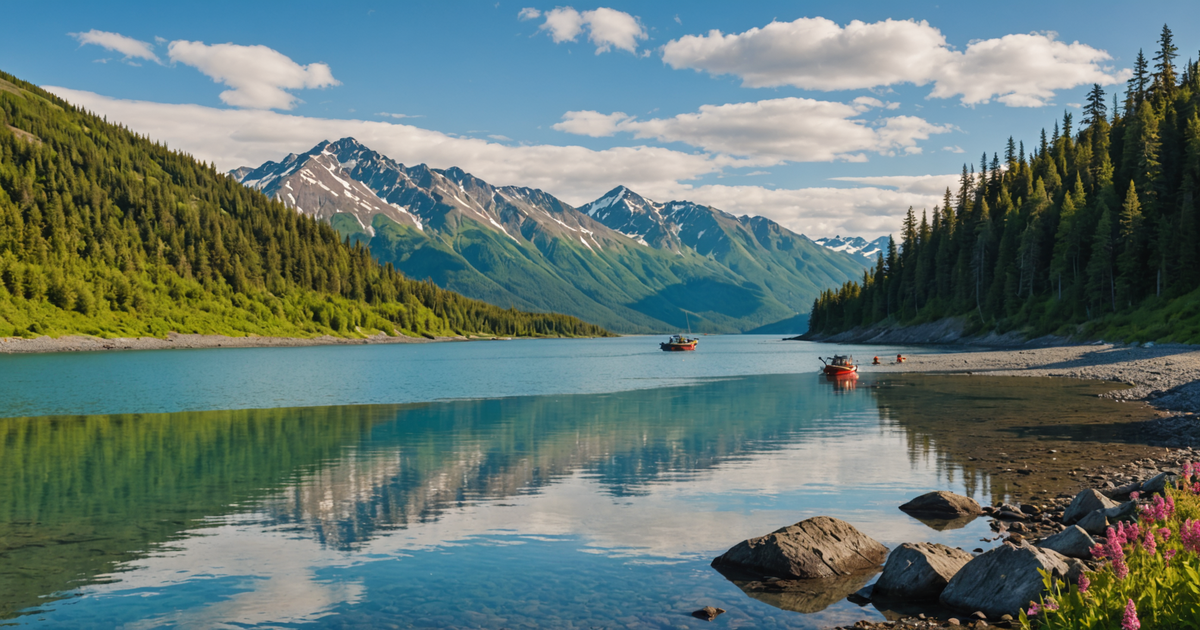
Alaska’s pristine waters and abundant wildlife make it a top destination for anglers worldwide. The Russian River, with its stunning backdrop of mountains and forests, offers an unforgettable fishing experience. Sockeye salmon, known for their strength and speed, provide a thrilling challenge for those who take to the water.
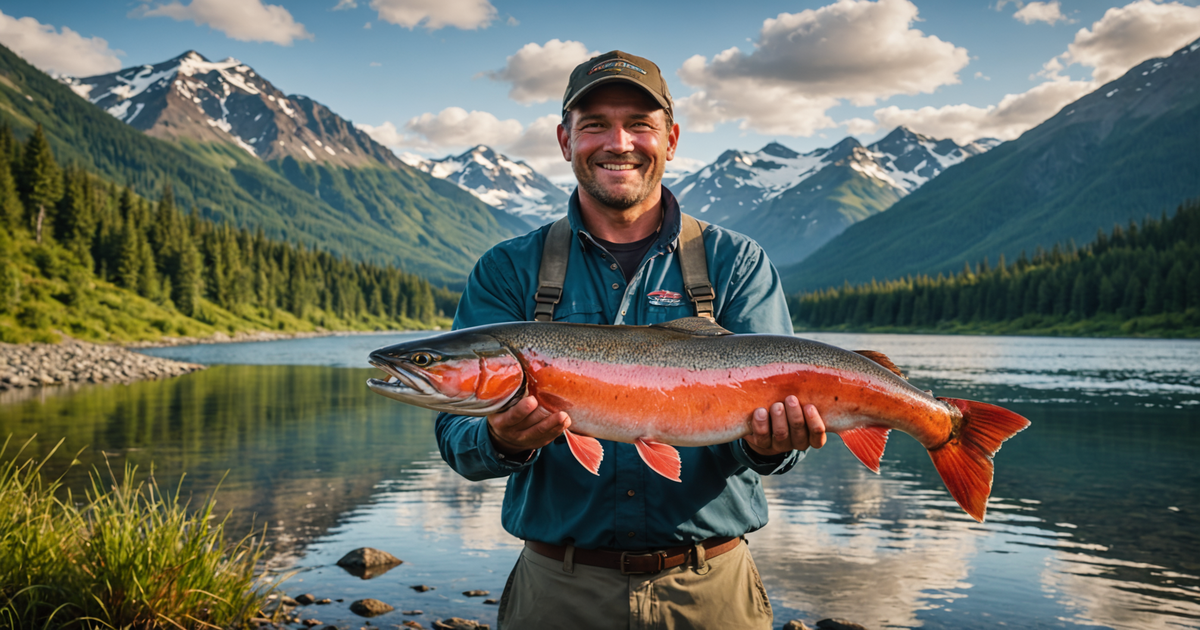
Beyond the excitement of the catch, sockeye salmon are prized for their rich, red meat, which is high in Omega-3 fatty acids. The culinary possibilities are endless, from grilling and smoking to curing and canning.
Alternative Guided Fishing Trips in Alaska
While the Russian River is a fishing haven, there are numerous other opportunities to explore in Alaska. For those looking to diversify their fishing experience, guided trips offer an excellent way to discover new locations and species.
Kenai Peninsula Adventures
The Kenai Peninsula, renowned for its diverse fishing opportunities, is a must-visit for anglers. Whether targeting silver salmon or exploring remote waters, the Kenai Peninsula promises an adventure. Guided trips provide expert knowledge and equipment, ensuring a successful fishing expedition.
Kasilof River Fishing
The Kasilof River offers a less crowded alternative to the Kenai. Known for its robust salmon runs, the river presents an ideal setting for both beginners and seasoned anglers. Discover more about fishing on the Kasilof with this comprehensive guide.
Historic Chulitna River Lodge Tours
For those interested in combining fishing with a historical experience, the Historic Chulitna River Lodge Tours offer a unique blend of adventure and history. The tours provide insights into Alaska’s rich past while ensuring ample fishing opportunities.
Epic Snowmobile and Fishing Adventures
For a winter twist, consider an Epic Snowmobile Adventure, where you can combine snowmobiling with ice fishing. This thrilling experience allows you to explore Alaska’s winter wonderland while enjoying the challenge of winter angling.
Conclusion
Fishing for sockeye salmon on the Russian River is a rewarding pursuit, but understanding and adhering to the fishing regulations is paramount for conservation and sustainability. Whether you’re a novice angler or a seasoned pro, Alaska offers a myriad of fishing adventures beyond the Russian River. From the Kenai Peninsula to the Chulitna River, each destination provides its unique allure and challenges.
For those looking to broaden their Alaskan experience, guided trips offer expertise and access to some of the best fishing locations. With proper preparation and respect for the environment, your Alaskan fishing adventure can be both responsible and exhilarating.
FAQ
What are the main fishing seasons for sockeye salmon in the Russian River?
The Russian River has two main sockeye salmon runs. The early run typically occurs from mid-June to early July, while the late run starts in mid-July and lasts through August. Always check the ADFG website for updated dates.
What kind of fishing gear is allowed for sockeye fishing on the Russian River?
Only single-hook, unbaited, artificial lures are permitted. Barbed hooks are prohibited, and the hook gap must not exceed 3/8 inch.
Do I need a special permit to fish sockeye salmon in the Russian River?
Yes, a valid Alaska sport fishing license is required for anglers aged 16 and over. A king salmon stamp is also necessary if targeting king salmon.
Can I keep all the sockeye salmon I catch?
The bag limit is typically three sockeye per day, with a possession limit of six. These limits can change, so verify current regulations before fishing.
Are there guided fishing trips available in Alaska besides the Russian River?
Absolutely. The Kenai Peninsula, Kasilof River, and Historic Chulitna River Lodge Tours are just a few examples of excellent guided trips available.
Where can I find comprehensive fishing regulations for Alaska?
The Alaska Department of Fish and Game provides detailed regulations and updates. It’s a reliable resource for responsible fishing practices.
What other activities can I combine with fishing in Alaska?
Consider combining fishing with activities like snowmobiling with the Epic Snowmobile Adventure, or exploring the rich history and fishing experiences on the Chulitna River.