
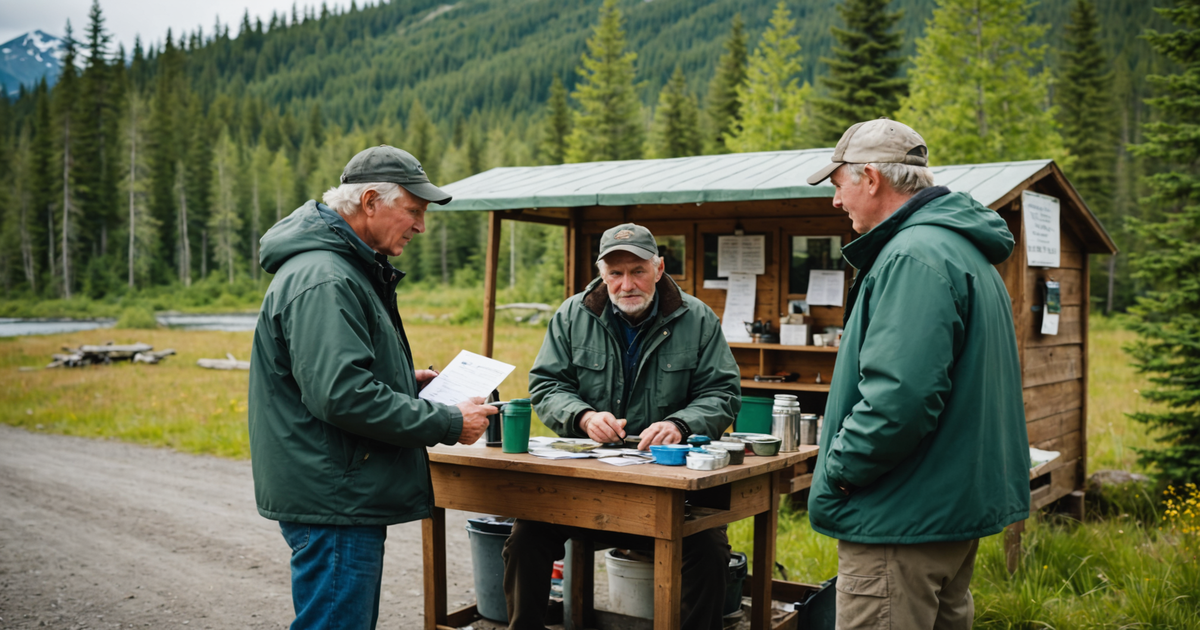
Salmon Fishing License Alaska Guide. For more detail, see official guidance.
Introduction
Alaska, a picturesque landscape of rugged mountains, pristine rivers, and vast wilderness, offers some of the world’s best salmon fishing experiences. Anglers from around the globe are drawn to its waters to catch the iconic fish species that have supported the local ecology and culture for centuries. As alluring as the Alaskan fishing experience is, it is essential to understand the regulations governing this activity, especially the need for a salmon fishing licence. This guide will provide you with comprehensive information on obtaining a salmon fishing license in Alaska, detailing what each permit covers, and ensuring you are well-prepared for an unforgettable fishing adventure. For more detail, see further information.
Understanding Alaska’s Fishing License Requirements
Alaska’s Department of Fish and Game (ADF&G) is responsible for managing the state’s rich fishing resources. To maintain sustainable fisheries, the state requires anglers to obtain a fishing licence. Whether you are a resident or a visitor, you must adhere to these regulations to fish legally in Alaskan waters. For more detail, see detailed advice.
Types of Licenses and Permits. For more detail, see planning resources.
Resident and Non-resident Licenses. For more detail, see local insights.
In Alaska, fishing licences are categorised into resident and non-resident options. Residents typically enjoy reduced rates, while non-residents can choose from a variety of licence durations, ranging from one day to annual passes. You can find detailed information on the ADF&G’s website about the different pricing structures and availability.
King Salmon Stamp
For those specifically targeting king salmon, an additional King Salmon Stamp is required alongside your standard fishing licence. This stamp is necessary for both residents and non-residents and can be purchased for different durations, similar to the standard fishing licenses.
Other Permits
Certain areas in Alaska require additional permits due to their unique ecosystems and conservation needs. It’s crucial to check the specific requirements of your chosen fishing location via the ADF&G’s regulations page before setting out.
Where to Purchase Your License
Purchasing a fishing licence in Alaska is a straightforward process. Licences can be obtained online through the ADF&G licensing portal, at local vendors, or at ADF&G offices across the state. It’s recommended to purchase your licence well in advance of your trip to avoid any last-minute complications.

Best Times and Locations for Salmon Fishing
Timing Your Trip
Salmon fishing in Alaska is a seasonal activity, with peak times varying by species and location. For example, the king salmon season typically runs from May to July, while silver salmon are best caught from July through September. Planning your trip around these peak times will greatly enhance your chances of success. For more specifics on salmon seasons, you can visit Alaska Adventure Guides’ article.
Top Fishing Spots
Alaska boasts numerous renowned fishing spots, each offering unique challenges and rewards. The Kenai Peninsula, for instance, is famous for its abundant salmon runs and stunning scenery. You can explore more about this destination on Alaska Adventure Guides. Other popular locations include the Bristol Bay area and the waters around Kodiak Island.
Essential Gear and Techniques
Having the right gear is vital for a successful salmon fishing expedition. From choosing the best salmon hooks for solid hookups to selecting high-spin salmon spinners, preparation is key. Alaska Adventure Guides offers insights into the best equipment choices for Alaskan waters.
Techniques for Success
Understanding the behaviour of salmon and employing effective fishing techniques can significantly impact your success. Whether you’re a novice or an experienced angler, learning from experienced guides and utilising resources like this guide can enhance your skills and increase your catch rate.
Conservation and Ethical Fishing Practices
Fishing in Alaska is not just about the thrill of the catch; it’s also about respecting the environment and practising sustainable fishing. The Leave No Trace principles are an excellent guide to ensure your activities do not harm the delicate ecosystems. Always adhere to local regulations, practice catch and release when appropriate, and take steps to minimise your impact on the environment.
Conclusion
Obtaining a salmon fishing license in Alaska is an essential step in planning your fishing adventure, ensuring you adhere to regulations and contribute to the sustainable management of the state’s aquatic resources. With the right preparation, timing, and respect for nature, your Alaskan fishing trip can be a memorable and rewarding experience. Whether you’re casting your line in the Kenai Peninsula or exploring other famed fishing spots, the thrill of catching Alaskan salmon awaits.
FAQ
What is the cost of a non-resident salmon fishing licence in Alaska?
Non-resident fishing licences vary in price depending on the duration. A one-day licence costs around $25, while an annual licence is approximately $145. Additional fees apply for the King Salmon Stamp.
Do I need a separate permit to fish for king salmon in Alaska?
Yes, in addition to your standard fishing licence, a King Salmon Stamp is required to fish for king salmon in Alaska.
Can I purchase a fishing licence online?
Yes, fishing licences can be purchased online through the ADF&G licensing portal.
What is the best time of year for salmon fishing in Alaska?
The best time for salmon fishing depends on the species. King salmon are best caught from May to July, while silver salmon peak from July through September.
Are there specific regulations for fishing in different Alaskan areas?
Yes, different areas may have specific regulations and permit requirements. Check the ADF&G regulations page for detailed information on your chosen location.
What gear is essential for salmon fishing in Alaska?
Essential gear includes quality fishing rods, salmon hooks, and high-spin salmon spinners. For further guidance on gear selection, visit Alaska Adventure Guides.
How can I ensure I’m practising ethical fishing in Alaska?
Follow the Leave No Trace principles, adhere to local regulations, and practice catch and release when possible to ensure ethical and sustainable fishing practices.