
Salmon Fishing Restrictions | Plan Alaska. For more detail, see official guidance.
Introduction
Alaska holds an irresistible allure for anglers worldwide, drawn by its rugged beauty and abundant waters teeming with fish. Among the various species that attract fishing enthusiasts, salmon stands out as a prized catch. However, fishing for salmon in Alaska is not just about casting a line and waiting for a bite. Understanding the salmon fishing restrictions is crucial to planning a successful trip. This guide provides comprehensive insights into these regulations, ensuring you can enjoy your Alaskan fishing adventure responsibly and sustainably. For more detail, see further information.
Understanding Salmon Fishing Restrictions in Alaska
Alaska’s fishing regulations are designed to maintain fish populations for future generations while providing opportunities for sport fishing. These rules vary depending on the species of salmon, the fishing method, and the location. The Alaska Department of Fish and Game (ADF&G) is the principal authority overseeing these regulations. For more detail, see detailed advice.
Key Species and Their Seasons. For more detail, see planning resources.
Chinook (King) Salmon: Known for their size and strength, Chinook salmon are a favourite among anglers. However, they are subject to stringent regulations due to their declining numbers in some areas. Typically, the season for Chinook salmon opens in late spring and varies by region. You can find detailed seasonal information on the ADF&G website. For more detail, see local insights.
Sockeye (Red) Salmon: The season for sockeye salmon usually peaks in mid-summer. These salmon are subject to less restrictive regulations compared to Chinook, but limits on catch sizes are enforced to ensure sustainability.
Coho (Silver) Salmon: Coho salmon fishing is popular in late summer to early autumn. Anglers should check specific region-based regulations as these can differ significantly.
Pink (Humpy) Salmon: Available in abundance every other year, pink salmon are less regulated, but anglers should still be mindful of local restrictions.
Chum (Dog) Salmon: Though not as popular as other species, chum salmon fishing is subject to specific regulations that vary by area.
Regional Regulations and Permits
Fishing in Alaska requires an understanding of regional regulations, as these can vary drastically. The state is divided into several management areas, each with its own set of rules. For instance, fishing in the Kasilof River might differ significantly from other regions, and first-time anglers are encouraged to consult a Kasilof River fishing guide to navigate these specifics.
Permits are mandatory for anyone fishing in Alaska. Licences are available for purchase online through the ADF&G and are necessary for compliance with state laws.
Methods and Equipment Regulations
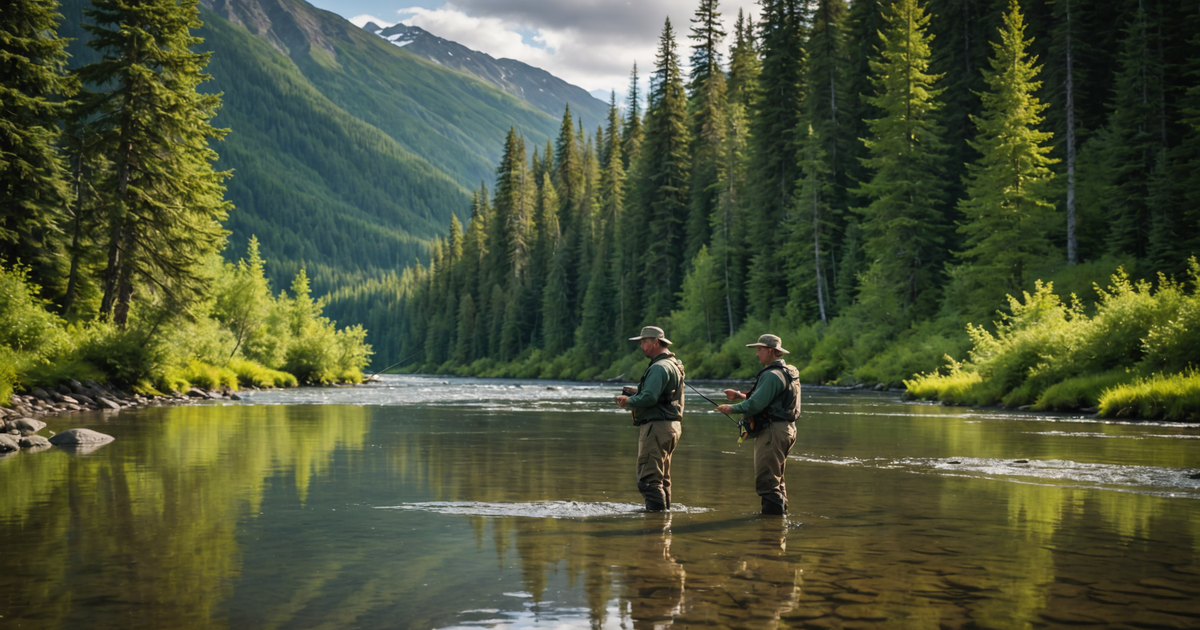
The method of fishing is another critical aspect regulated under Alaskan law. Common methods include fly fishing, trolling, and drift fishing. Each of these methods might have specific restrictions. For example, the use of barbed hooks is generally prohibited in certain areas to minimise harm to fish that are released.
Anglers should also be aware of the equipment requirements and restrictions. For recommendations on optimal tackle setups, visiting a local tackle shop or consulting experts can be incredibly beneficial. Additionally, the use of certain types of bait or fishing gear might be restricted to protect local ecosystems.
Conservation Considerations
Conservation is at the heart of Alaska’s fishing regulations. Anglers are encouraged to practice catch and release, particularly when fishing for species that are under stress from overfishing or environmental changes. The NOAA provides resources and guidelines for responsible fishing practices, emphasising the importance of sustainable fishing.
Planning Your Alaska Salmon Fishing Trip
When planning your fishing trip, timing and location are crucial. The best time to fish varies by species and region, and being informed about these can enhance your experience. For example, the best time to catch halibut in Alaska can differ from salmon, so aligning your visit with the optimal seasons for your target species is essential.
Travel and Accommodation
Alaska offers a range of travel and accommodation options to suit different preferences and budgets. From rustic cabins to luxury lodges, planning your stay can significantly impact your fishing experience. Resources like Travel Alaska provide extensive information on planning your trip, including accommodation options and travel tips.
Guided Tours
For those new to Alaskan salmon fishing or looking to maximise their experience, guided tours can be invaluable. These tours offer expert knowledge, equipment, and a deeper understanding of local fishing spots. Exploring options for guided fishing tours can provide a hassle-free and educational adventure.
Conclusion
Understanding and adhering to salmon fishing restrictions in Alaska is essential for a successful and responsible fishing trip. These regulations are carefully designed to protect the state’s vibrant ecosystems and ensure the sustainability of fish populations. By planning your trip around these guidelines, you can enjoy the thrill of fishing in Alaska’s pristine waters while contributing to conservation efforts.
FAQ
1. What are the key salmon species in Alaska?
Alaska is home to several key salmon species, including Chinook, Sockeye, Coho, Pink, and Chum salmon, each with its own fishing season and regulations.
2. How can I obtain a fishing licence in Alaska?
Fishing licences can be purchased online through the Alaska Department of Fish and Game website.
3. Are there specific equipment restrictions for salmon fishing in Alaska?
Yes, there are equipment restrictions, including the type of hooks and bait used. It is advisable to consult local regulations or experts for specifics.
4. What is the best time of year for salmon fishing in Alaska?
The best time varies by species, with Chinook typically peaking in late spring, Sockeye in mid-summer, and Coho in late summer to early autumn.
5. Can I fish salmon in Alaska without a guide?
Yes, you can fish without a guide, but hiring a guide can enhance your experience, especially if you’re unfamiliar with local conditions and regulations.
6. What are the conservation practices recommended for anglers in Alaska?
Anglers are encouraged to practice catch and release and to follow guidelines provided by organisations like NOAA to minimise environmental impact.
7. Are there restrictions on the number of salmon I can catch?
Yes, there are daily and seasonal catch limits to ensure sustainable fishing. These limits vary by species and region.
8. Where can I find information on fishing regulations for specific areas in Alaska?
The Alaska Department of Fish and Game website provides comprehensive information on fishing regulations for different regions.