
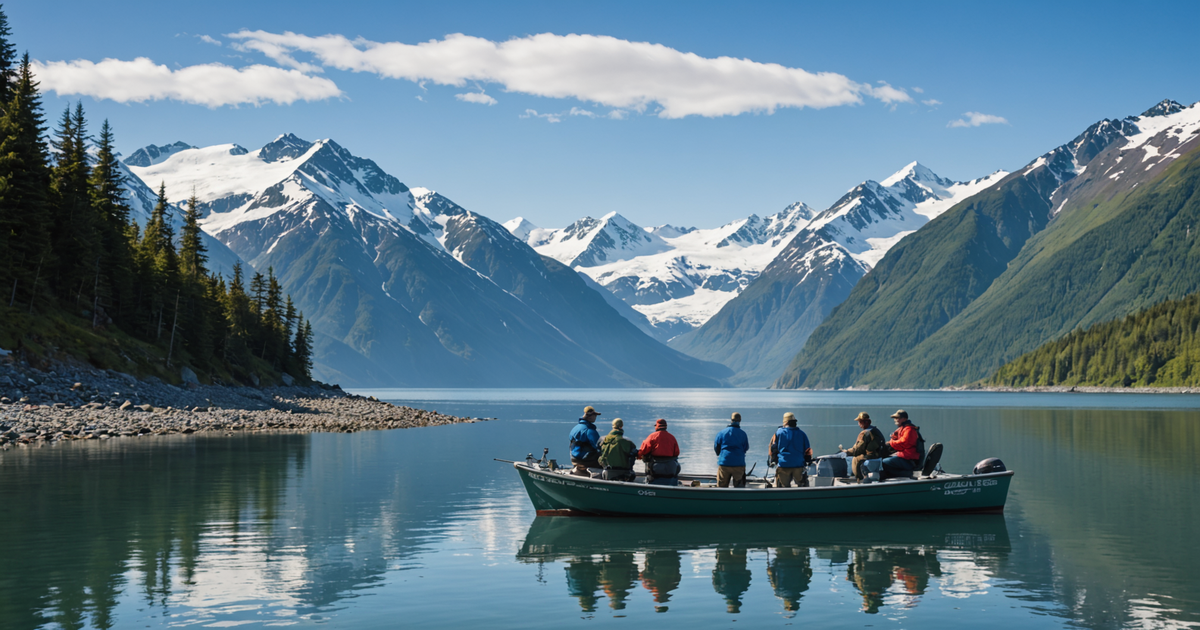
Salmon Fishing Seward Alaska | Book Now. For more detail, see official guidance.
Introduction
Seward, Alaska, is a hidden gem for fishing enthusiasts, especially those eager to experience the thrill of salmon fishing. Nestled on the scenic coastline of the Kenai Peninsula, Seward offers an unparalleled opportunity to catch some of the most sought-after salmon species in the world. Whether you are a seasoned angler or a beginner, salmon fishing in Seward promises an exhilarating adventure amidst breathtaking natural beauty. This guide will take you through everything you need to know about planning a salmon fishing trip in Seward, Alaska, from the best times to fish to the equipment you should bring along. For more detail, see further information.
Why Choose Seward for Salmon Fishing?
Seward is renowned for its rich marine life and pristine waters, making it a prime location for salmon fishing. The town is situated near Resurrection Bay, a haven for various salmon species including King, Silver, Sockeye, and Pink salmon. The abundance of fish and the stunning backdrop of the Alaskan wilderness create an unforgettable fishing experience. For more detail, see detailed advice.
The Salmon Species of Seward. For more detail, see planning resources.
- King Salmon (Chinook): These are the largest of the Pacific salmon, known for their strength and delicious taste.
- Silver Salmon (Coho): Popular for their acrobatics and aggressive bites.
- Sockeye Salmon: Prized for their rich flavour.
- Pink Salmon: Abundant in even-numbered years, known for their mild taste. For more detail, see local insights.
Each species has its own peak season, so timing your trip around these periods can maximise your success. Explore more about Alaska adventures to make the most of your visit.
Planning Your Salmon Fishing Trip
Best Time to Fish
The fishing season in Seward typically runs from May through September. Each species has its peak time:
– King Salmon: May to July
– Sockeye Salmon: Late June to early August
– Silver Salmon: July to September
– Pink Salmon: Even-numbered years in July and August
For detailed information on fishing regulations, you can visit the Alaska Department of Fish and Game which provides comprehensive guidelines to ensure sustainable fishing practices.
Choosing a Charter
Booking a guided fishing charter is highly recommended for those unfamiliar with the waters of Seward. Charters provide expert guidance, equipment, and a higher chance of a successful fishing trip. Learn more about guided fishing tours to find the best options for your adventure.
Essential Equipment and Gear
When preparing for your salmon fishing expedition, it’s crucial to have the right gear:
– Rods and Reels: Choose sturdy gear capable of handling large fish.
– Tackle and Bait: Consider using the best salmon hooks for effective fishing.
– Clothing: Dress in layers and waterproof gear due to unpredictable weather.
– Safety Equipment: Life jackets and other safety gear are essential, especially when venturing into deeper waters.
For more detailed advice on fishing gear, you might want to explore fishing equipment recommendations.
Accommodation and Other Activities
Seward offers a range of accommodations from cosy cabins to luxury lodges. Beyond fishing, visitors can indulge in other recreational activities such as hiking and wildlife tours. The Alaska Adventure Guides website provides additional information on outdoor activities available in the area.
The Ecological Impact and Conservation Efforts
Fishing in Seward is not only about the thrill of the catch but also about respecting and preserving the natural environment. The local community and authorities are committed to maintaining the delicate balance of marine ecosystems. Visitors are encouraged to adhere to sustainable fishing practices to ensure that future generations can enjoy the same experiences.
Conclusion
Salmon fishing in Seward, Alaska, offers an extraordinary blend of adventure, natural beauty, and the chance to catch some of the most prestigious fish in the world. With proper planning, the right gear, and respect for the environment, your fishing trip to Seward can be a fulfilling and memorable experience. Whether you’re casting your line for the first time or you’re a seasoned angler, Seward awaits with open waters and the promise of a bountiful catch.
FAQ
1. What is the best time of year for salmon fishing in Seward, Alaska?
The best time for salmon fishing in Seward varies by species, with the prime season running from May to September. Each species, such as King and Silver salmon, has its peak months during this period.
2. Do I need a fishing license to fish in Seward?
Yes, all anglers aged 16 and above require a fishing license, which can be obtained through the Alaska Department of Fish and Game.
3. Can beginners go salmon fishing in Seward?
Absolutely! Many charters cater to beginners, providing all necessary equipment and guidance to ensure a successful fishing experience.
4. What should I wear for a fishing trip in Seward?
Dress in layers and waterproof clothing to accommodate the varying weather conditions. It’s also important to wear non-slip shoes.
5. Are there any catch limits for salmon in Seward?
Yes, there are specific catch limits for each salmon species to maintain sustainable fishing practices. Always check the latest fishing regulations before your trip.
6. What other activities can I do in Seward besides fishing?
Seward offers a variety of outdoor activities, including hiking, wildlife tours, and exploring Kenai Fjords National Park. Check out all hiking tours for more ideas.
7. How do I book a fishing charter in Seward?
Booking can be done through various online platforms or directly with local providers. For a reliable experience, explore options on Alaska Adventure Guides.
8. Is it safe to fish in Seward waters?
Yes, fishing in Seward is generally safe, especially when following local guidelines and using a reputable charter service. Always prioritise safety and adhere to recommended practices.