
Introduction
Planning a fishing trip to Alaska is an exhilarating prospect, especially if you’re aiming to experience the renowned salmon season in Alaska. This vast state offers some of the best fishing opportunities in the world, with its pristine rivers and abundant fish populations. Whether you’re an avid angler or a first-time fisher, understanding the timing of the salmon runs and how to prepare for your trip can make all the difference. This guide will provide you with everything you need to know about salmon season in Alaska, from the best times to visit to booking guided trips from Anchorage. For more detail, see official guidance.
Understanding Salmon Season in Alaska
Alaska’s salmon season is a much-anticipated event, drawing anglers from around the globe. The primary salmon species targeted include Chinook (King), Sockeye (Red), Coho (Silver), Pink (Humpy), and Chum (Dog). Each species has its own peak times and preferred habitats, which can vary across the region. For more detail, see further information.
Timing and Peak Seasons. For more detail, see detailed advice.
The salmon season in Alaska generally runs from May through September, with variations depending on the species:. For more detail, see planning resources.
- Chinook Salmon: The King of salmon, typically runs from mid-May through July. These are the largest of the salmon species and are a favourite among anglers.
- Sockeye Salmon: Known for their vibrant red colour, Sockeye are most abundant from mid-June through July.
- Coho Salmon: These silvery fish become plentiful from late July through September.
- Pink Salmon: The smallest and most abundant, they run in even-numbered years, peaking in July and August.
- Chum Salmon: These run from June through September, offering a long fishing season. For more detail, see local insights.
Understanding these peak times is crucial for planning your trip, ensuring you arrive when the fish are most active.
Popular Fishing Locations
Alaska boasts numerous locations for salmon fishing, each offering unique experiences:
- Kenai River: Famous for its massive King Salmon, the Kenai is a must-visit for serious anglers.
- Bristol Bay: Renowned for its Sockeye salmon, this area is ideal for those seeking a vibrant fishing experience.
- Copper River: Known for its rich, flavourful salmon, the Copper River is a top choice for culinary enthusiasts.
- Kasilof River: Offers a quieter alternative to the Kenai, with excellent Coho and Sockeye fishing.
For more details on fishing spots, you can explore the Alaska Department of Fish and Game.
Planning Your Trip
Booking Guided Tours
For those new to Alaskan fishing or looking for a comprehensive experience, booking a guided tour is highly recommended. Guides provide expert knowledge, equipment, and local insights that can greatly enhance your trip. Starting your adventure from Anchorage allows you access to a wide range of guided fishing tours. Companies like Alaska Adventure Guides offer various packages tailored to different skill levels and preferences.
Essential Gear and Preparation
Proper preparation is vital for a successful fishing trip. Depending on the time of year and location, weather conditions can vary dramatically. Here are some essentials:
- Fishing Gear: Ensure you have the appropriate gear for the type of salmon you’re targeting. Consider investing in high-quality salmon spinners and float fishing rigs.
- Clothing: Layered clothing is crucial to adapt to changing weather. Waterproof jackets and boots are advisable.
- Permits and Regulations: Obtain the necessary fishing licenses and familiarize yourself with local regulations, which can be found on the Alaska Department of Fish and Game’s website.
Accommodation and Travel
Consider staying at lodges near your chosen fishing location to maximise your time on the water. The Historic Chulitna River Lodge offers comfortable accommodations with easy access to prime fishing spots.
Other Activities to Explore
While fishing may be the focus, Alaska offers a plethora of other activities to enjoy:
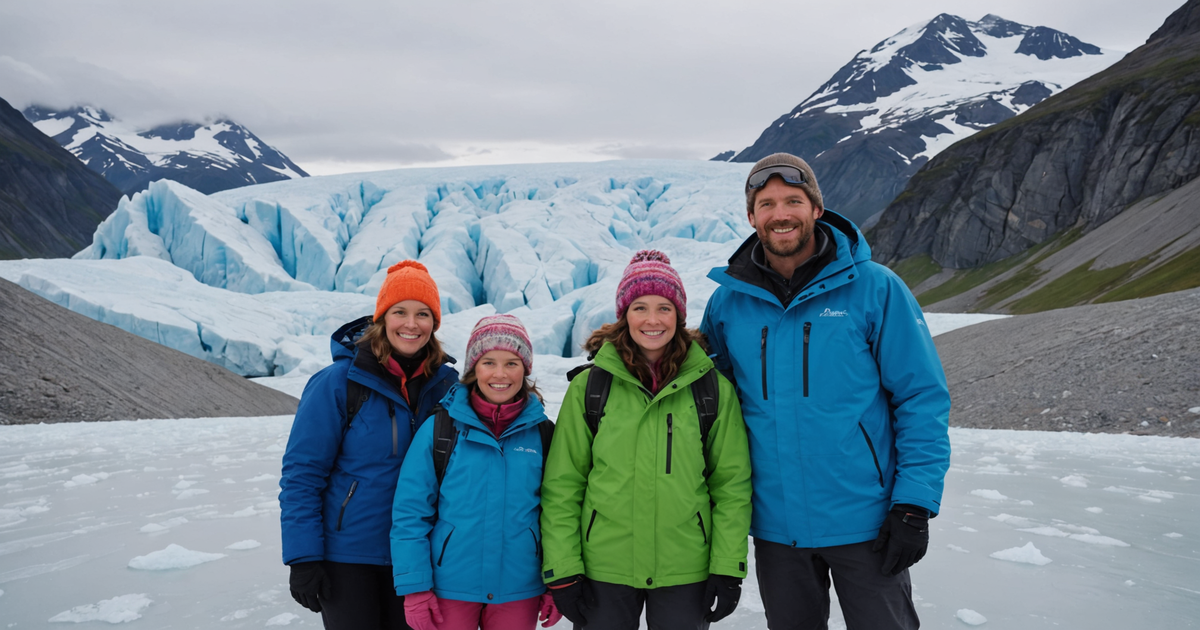
- Glacier Tours: Experience the awe of Alaska’s glaciers with a Matanuska Glacier Excursion.
- Wildlife Viewing: Keep an eye out for Alaska’s diverse wildlife, including bears, moose, and eagles.
- Hiking and Exploration: Enjoy the breathtaking landscapes through hiking trails and guided tours.
For a broader look at what Alaska has to offer, visit Travel Alaska.
Conclusion
Fishing during the salmon season in Alaska is an unforgettable experience that offers both challenge and reward. With proper planning, the right gear, and an understanding of the salmon runs, your adventure can be both successful and enjoyable. Whether you are reeling in a King Salmon on the Kenai River or exploring the stunning Alaskan wilderness, this trip promises lasting memories.
FAQ
What is the best time to visit Alaska for salmon fishing?
The optimal time for salmon fishing in Alaska is between May and September, depending on the salmon species you aim to catch.
Do I need a fishing license to fish for salmon in Alaska?
Yes, a fishing license is required. You can obtain one through the Alaska Department of Fish and Game.
Can I fish for salmon on my own, or should I hire a guide?
While fishing independently is possible, hiring a fishing guide can enhance your experience, offering expertise and equipment.
Are there regulations on how many salmon I can catch?
Yes, there are catch limits and regulations to ensure sustainable fishing. Check the latest rules on the Alaska Department of Fish and Game website.
What should I pack for a salmon fishing trip to Alaska?
Pack layered clothing, waterproof gear, appropriate fishing equipment, and personal essentials. Always prepare for variable weather conditions.
Can I combine my fishing trip with other outdoor activities in Alaska?
Absolutely! Consider exploring glaciers, wildlife viewing, and hiking to make the most of your Alaskan adventure.
Where can I find more information on planning my fishing trip to Alaska?
Visit Travel Alaska for comprehensive travel information and resources.