
Salmon Shark Facts | Explore Alaska Fishing. For more detail, see official guidance.
Introduction
Alaska is a region renowned for its breathtaking landscapes and abundant wildlife, making it a paradise for outdoor enthusiasts. Among its many natural wonders, the waters surrounding Alaska are home to a fascinating marine creature—the salmon shark. Often shrouded in mystery and confusion, this remarkable species is sometimes mistakenly referred to as “shark salmon.” In this blog post, we will explore the intriguing world of salmon sharks, dispel common myths, and provide valuable insights into their behaviour and habitat in Alaskan waters. Whether you are planning a fishing trip or simply want to learn more about this unique species, this guide will offer you a deeper understanding of salmon sharks and their role in Alaska’s marine ecosystem. For more detail, see further information.
Understanding the Salmon Shark
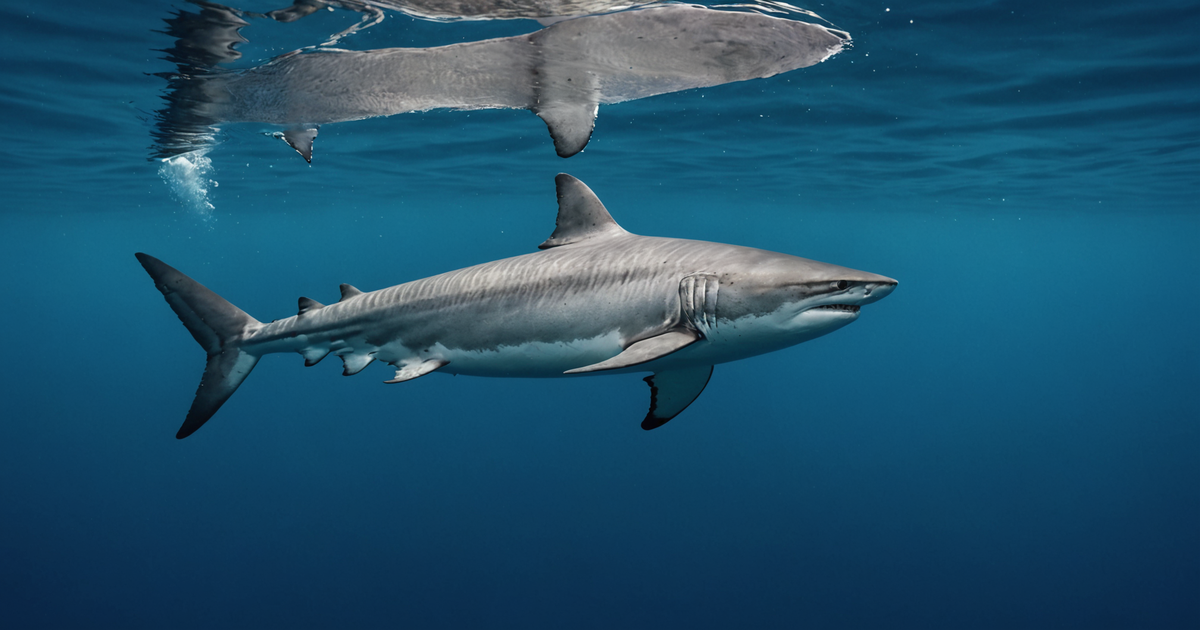
The salmon shark (Lamna ditropis) is a species of mackerel shark in the family Lamnidae, closely related to the great white shark. Known for their robust build and striking resemblance to their great white cousins, salmon sharks can grow up to 10 feet in length and weigh up to 450 kilograms. These powerful predators are primarily found in the North Pacific Ocean, with a significant presence in the waters off the coast of Alaska. For more detail, see detailed advice.
Habitat and Distribution. For more detail, see planning resources.
Salmon sharks are pelagic, meaning they inhabit the open ocean rather than coastal regions. They are most commonly found in the cold, nutrient-rich waters of the North Pacific, particularly around Alaska, Japan, and the Russian Far East. These sharks are known for their extensive migratory patterns, often travelling vast distances in search of food. For more detail, see local insights.

Diet and Hunting Behaviour
Salmon sharks are apex predators with a keen sense of smell and excellent eyesight, making them highly efficient hunters. Their diet mainly consists of fish such as salmon, herring, and pollock. They are also known to feed on squid and other marine invertebrates. Salmon sharks employ a hunting strategy that involves high-speed pursuit and powerful bites, allowing them to capture agile prey with ease.
Myths and Misconceptions
Despite their name, salmon sharks are not related to salmon. The term “shark salmon” is a misnomer that often leads to confusion. Unlike salmon, which are anadromous fish migrating from the ocean to freshwater to spawn, salmon sharks are exclusively marine animals. Another common misconception is that salmon sharks pose a significant threat to humans. In reality, they are generally not considered dangerous to humans, with very few recorded interactions.
Importance in the Ecosystem
Salmon sharks play a vital role in maintaining the balance of the marine ecosystem. As apex predators, they help control the populations of their prey species, ensuring that no single species dominates the ecosystem. This regulation contributes to the overall health and diversity of marine life in Alaskan waters.
Fishing and Conservation
For those embarking on an Alaska fishing adventure, understanding the regulations concerning salmon sharks is crucial. While these sharks are not typically targeted by commercial fisheries, they may occasionally be caught as bycatch. It is important for anglers to adhere to local fishing regulations to ensure sustainable practices. The Alaska Department of Fish and Game provides comprehensive guidelines on fishing methods and conservation measures to protect marine species, including salmon sharks.
Responsible Fishing Practices
Adopting responsible fishing practices is essential for the conservation of salmon sharks and other marine life. This includes using appropriate fishing gear, practising catch and release when necessary, and staying informed about seasonal regulations. For more information on responsible fishing and regulations, visit the NOAA Fisheries website.
Planning Your Alaskan Fishing Trip
Fishing enthusiasts considering a trip to Alaska have the opportunity to explore a wide array of fishing opportunities. The Kenai Peninsula is a popular destination known for its abundant salmon runs and scenic beauty. For those interested in salmon fishing, understanding the Alaska salmon season is vital to maximise your experience.
Choosing the Right Gear
Having the right fishing gear is crucial for a successful fishing trip. Consider investing in quality equipment suitable for Alaska’s unique conditions, and consult with local fishing guides to enhance your experience and ensure safety during your adventure.
Conclusion
The salmon shark is a captivating yet often misunderstood creature of the Alaskan waters. By debunking myths and providing insights into their biology and behaviour, we hope this guide has enriched your understanding of these remarkable sharks. Whether you’re a seasoned angler or a curious traveller, appreciating the role of salmon sharks in Alaska’s marine ecosystem is an essential part of exploring the region’s natural wonders. Remember to practice responsible fishing and adhere to local regulations to contribute to the conservation of Alaska’s diverse marine life.
FAQ
What is a salmon shark?
A salmon shark is a species of mackerel shark found in the North Pacific Ocean, known for its resemblance to the great white shark and its predation on fish like salmon.
Are salmon sharks dangerous to humans?
Salmon sharks are generally not considered dangerous to humans, with very few recorded interactions.
How can I identify a salmon shark?
Salmon sharks can be identified by their robust build, pointed snout, and crescent-shaped tail. They have a distinctive blackish-grey back and a lighter underside.
What do salmon sharks eat?
Salmon sharks primarily feed on fish such as salmon, herring, and pollock, as well as squid and other marine invertebrates.
Where can I see salmon sharks in Alaska?
Salmon sharks are often spotted in the open waters off the coast of Alaska. They are pelagic and can be observed during fishing expeditions or marine tours.
What should I know before fishing in Alaska?
Before fishing in Alaska, be sure to check local fishing regulations, obtain necessary permits, and familiarise yourself with the best fishing practices. Resources like Travel Alaska provide valuable information for planning your fishing trip.
Is it legal to catch salmon sharks in Alaska?
Catching salmon sharks as bycatch is possible, but they are not typically targeted by fisheries. It’s important to follow local fishing regulations to ensure sustainable practices.
How can I contribute to the conservation of salmon sharks?
Practising responsible fishing, adhering to catch and release guidelines, and staying informed about conservation efforts are effective ways to contribute to the protection of salmon sharks.