
Introduction
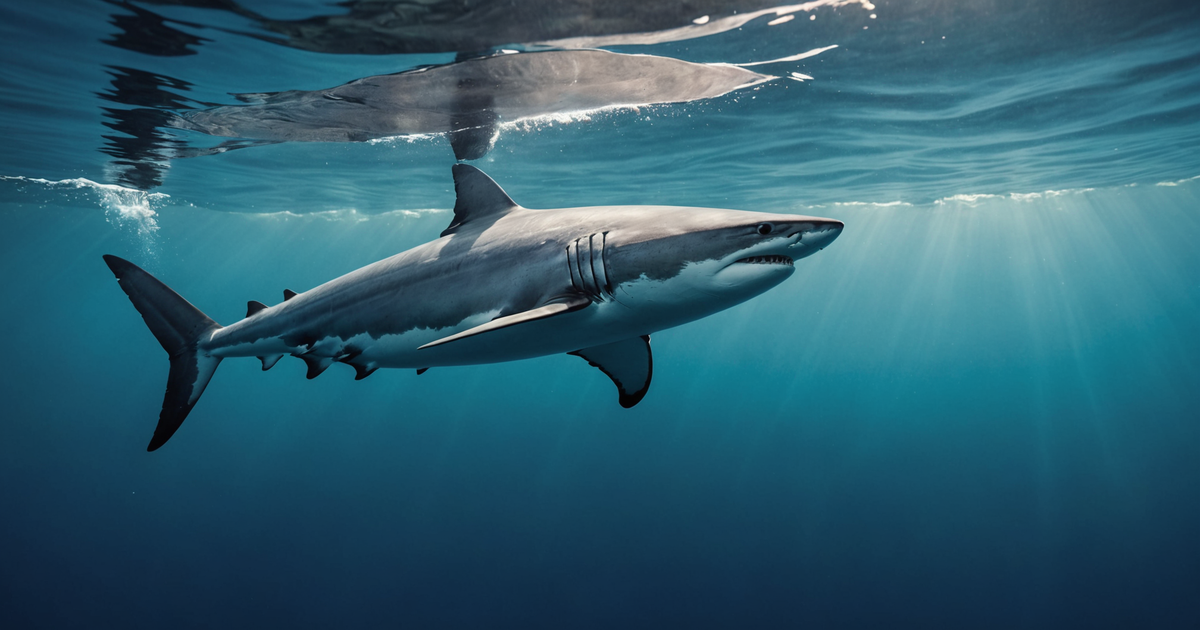
The Alaskan waters paint a vivid picture of natural beauty and ecological diversity, home to a myriad of marine life, including the awe-inspiring salmon shark. Often overshadowed by its more famous cousin, the great white shark, the salmon shark is a remarkable creature in its own right. Understanding the salmon shark lifespan offers a fascinating glimpse into the intricate dynamics of Alaska’s ocean ecosystem. This article delves into the life expectancy of these majestic sharks and their role within the Alaskan maritime environment. For more detail, see official guidance.
The Salmon Shark: An Overview
The salmon shark (Lamna ditropis) is a species of mackerel shark found in the North Pacific Ocean. Known for its robust build and surprising speed, the salmon shark is often compared to the great white shark due to its similar appearance and hunting prowess. These sharks are primarily found in the cold, nutrient-rich waters of the North Pacific, particularly around Alaska, where they play a crucial role in the marine food web. For more detail, see further information.
Physical Characteristics. For more detail, see detailed advice.
Salmon sharks can grow up to 10 feet in length and weigh as much as 485 kilograms. They possess a distinctive torpedo-shaped body that aids in their swift movement through water, reaching speeds up to 50 km/h. Their colouring, featuring a dark grey back and a white underbelly, provides effective camouflage in the ocean. For more detail, see planning resources.
Habitat and Distribution. For more detail, see local insights.
Salmon sharks are predominantly found in the subarctic and temperate waters of the North Pacific Ocean. They often migrate seasonally, following their prey, which includes salmon, squid, and other fish species. Understanding these migration patterns is crucial for fishing enthusiasts planning their trips to Alaska.
The Lifespan of Salmon Sharks
One of the most intriguing aspects of the salmon shark is its lifespan. Recent studies suggest that salmon sharks can live up to 25 to 30 years, although the average lifespan is likely closer to 20 years. This longevity is influenced by several factors, including environmental conditions, predation, and human impact.
Factors Affecting Lifespan
- Environmental Conditions: The cold waters of the North Pacific provide an ideal environment for salmon sharks, supporting their metabolism and growth. However, climate change poses a potential threat by altering sea temperatures and prey availability.
- Predation and Natural Threats: While adult salmon sharks have few natural predators, juvenile sharks are vulnerable to larger marine animals. Natural threats, such as diseases, also play a role in regulating their population.
- Human Impact: Overfishing and bycatch are significant threats to salmon sharks. Conservation efforts, governed by regulations from bodies like NOAA, are critical in ensuring the sustainability of their populations.
The Role of Salmon Sharks in Alaska’s Ecosystem
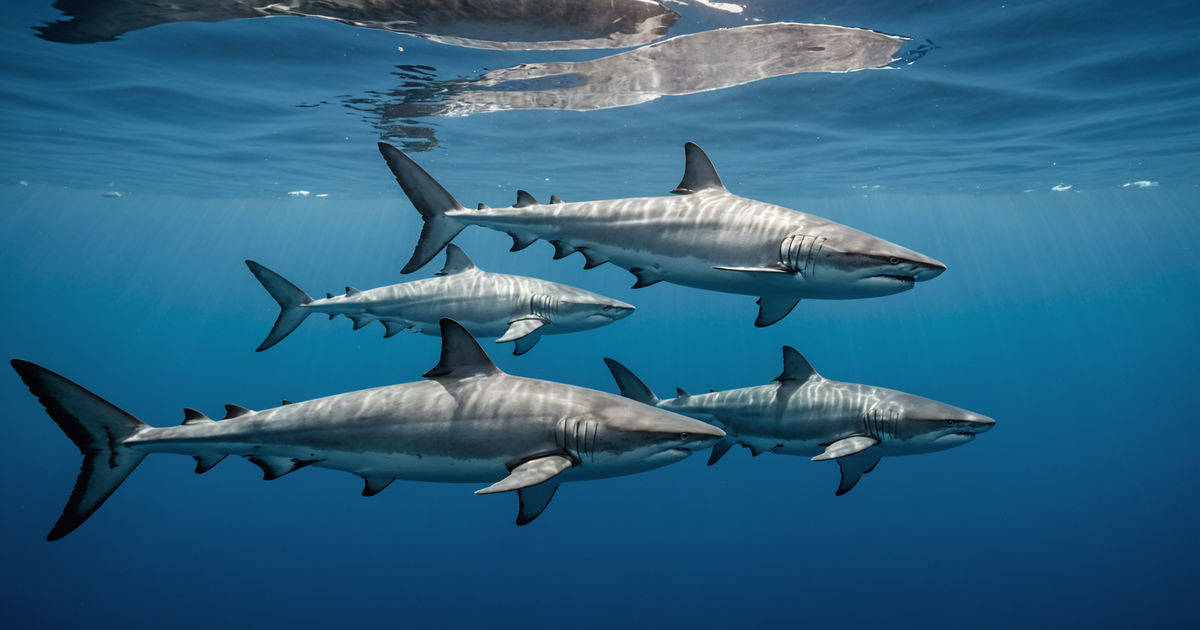
Salmon sharks are apex predators, meaning they occupy the top tier of the food chain. Their presence helps maintain the balance of marine populations, preventing overpopulation of species lower in the food chain, such as salmon and squid. This balance is vital for the health of Alaska’s ocean ecosystems.
Salmon Sharks and Fishing
For anglers visiting Alaska, understanding the behaviour of salmon sharks is essential. These sharks often follow salmon migrations, which can influence the availability of fish for sport fishing. Ensuring sustainable fishing practices is crucial, as outlined by Alaska’s fishing regulations.
Conservation Efforts
Efforts to conserve salmon shark populations are ongoing. Organisations such as the Alaska Department of Fish and Game work alongside federal agencies to monitor shark populations and enforce regulations that minimise bycatch and other human-induced threats. Public awareness and education are also essential components of these conservation strategies.
Conclusion
The salmon shark lifespan is a testament to the resilience and adaptability of this remarkable species. As a key predator in Alaska’s marine ecosystem, the salmon shark plays a vital role in maintaining ecological balance. Continued research and conservation efforts are necessary to protect these sharks and the delicate ocean environment they inhabit. For those interested in exploring Alaska’s diverse marine life, understanding the salmon shark’s life cycle can enrich the experience, whether you’re planning a fishing trip or simply appreciating the ocean’s majesty.
FAQ
How long do salmon sharks live?
Salmon sharks can live up to 25 to 30 years, with the average lifespan being closer to 20 years.
What do salmon sharks eat?
Salmon sharks primarily feed on salmon, squid, and other fish species found in the North Pacific Ocean.
Where can salmon sharks be found?
Salmon sharks inhabit the cold, nutrient-rich waters of the North Pacific Ocean, especially around Alaska.
Are salmon sharks dangerous to humans?
Salmon sharks are generally not considered a threat to humans. They are more focused on their natural prey, such as salmon and squid.
How do salmon sharks benefit their ecosystem?
As apex predators, salmon sharks help maintain the balance of marine populations, preventing overpopulation of certain species.
What threats do salmon sharks face?
Salmon sharks face threats from climate change, natural predators (during their juvenile stage), and human activities like overfishing and bycatch.
Are there conservation efforts for salmon sharks?
Yes, organisations like the Alaska Department of Fish and Game work to monitor and conserve salmon shark populations through regulations and public awareness initiatives.
How can I learn more about fishing in Alaska?
For more information on fishing in Alaska, you can visit the Alaska Department of Fish and Game’s website or explore resources like Travel Alaska.