
Introduction
Alaska, the last frontier, is a haven for anglers worldwide, offering unparalleled fishing experiences. Among the myriad of fish species that grace its icy waters, salmon hold a special place in the hearts of both amateur and professional fishermen. While the mighty King Salmon often steals the limelight, it’s the smaller salmon that provide a unique challenge and thrill. Understanding the name of small salmon and their characteristics can significantly enhance your fishing adventure in Alaska. This guide will delve into the lesser-known yet equally captivating small salmon species, offering insight into their habits and the best ways to catch them. For more detail, see official guidance.
The Name of Small Salmon: An Overview
In the vast aquatic ecosystem of Alaska, the term “small salmon” generally refers to certain species that do not grow as large as their more famous counterparts, like the Chinook (King Salmon). These smaller species include the Sockeye, Coho, Pink, and Chum Salmon. Each of these species has distinct features and behaviours that make them fascinating to study and exciting to fish. . For more detail, see further information.
Sockeye Salmon (Oncorhynchus nerka). For more detail, see detailed advice.
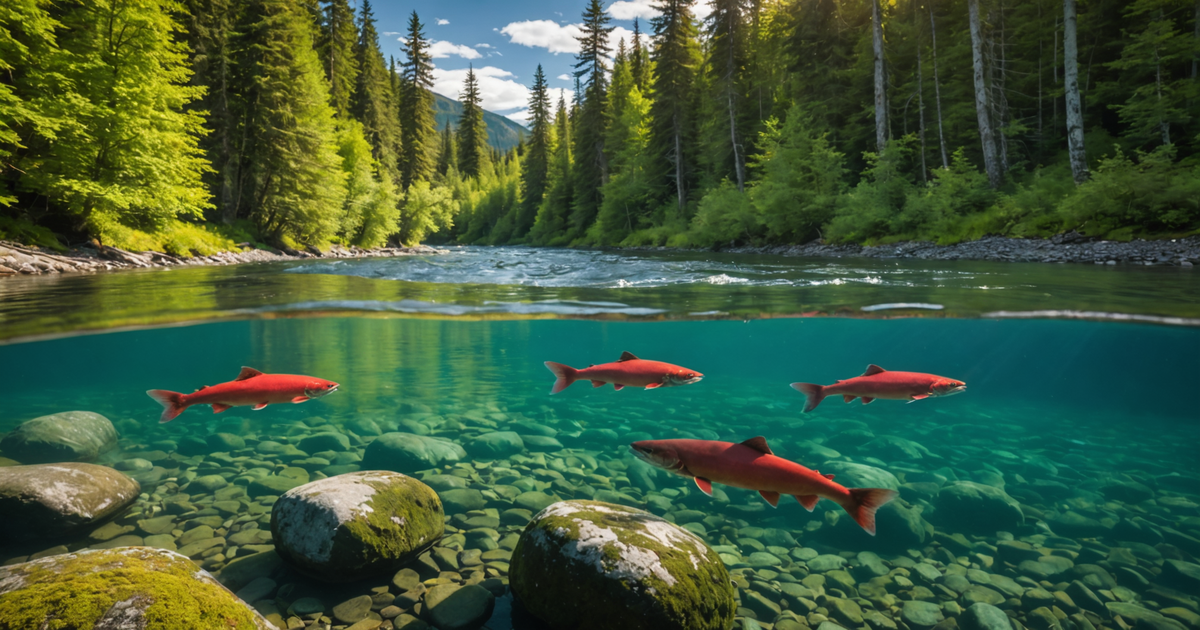
Also known as Red Salmon, the Sockeye is renowned for its vibrant red hue during spawning. Typically, Sockeye Salmon are smaller than Kings but are known for their robust flavour and firm flesh, making them a favourite among those who relish culinary delights. Fishing for Sockeye can be particularly rewarding on the Kenai River, where guided trips offer expert insights into successful techniques. For more detail, see planning resources.
Coho Salmon (Oncorhynchus kisutch). For more detail, see local insights.
Commonly referred to as Silver Salmon, Cohos are prized for their aggressive behaviour and acrobatic displays when hooked. They are slightly larger than Sockeye but still fall under the small salmon category. Coho fishing peaks in late summer and early autumn, with the Kasilof River offering excellent opportunities for first-timers to experience their tenacity firsthand. For those new to this exhilarating sport, consider a Kasilof River fishing guide to enhance your experience.
Pink Salmon (Oncorhynchus gorbuscha)
Known for their abundant numbers, Pink Salmon, or Humpies, are the smallest of the Pacific salmon species. Despite their size, they offer a thrilling fight and are perfect for beginners due to their plentiful nature. Pink Salmon runs occur every odd-numbered year, making planning your Alaska fishing trip essential for hitting the peak season.
Chum Salmon (Oncorhynchus keta)
Chum Salmon, also known as Dog Salmon, are larger than Pink Salmon but often regarded as small due to their less glamorous reputation. However, what they lack in fame, they make up for with their sheer numbers and aggressive nature, offering a challenging catch for anglers. Understanding the best salmon jigs for these fish can increase your chances of a successful outing.
Fishing Techniques and Tips
Fishing in Alaska is as much about technique as it is about location. Whether you are a novice or an experienced angler, adopting the right strategies can significantly enhance your experience.
Fly Fishing
Fly fishing is particularly effective for targeting small salmon species, especially in riverine environments. The art of mimicking the natural movements of the fish’s prey can yield impressive results. For detailed techniques, consider exploring fly fishing resources tailored to Alaskan waters.
Trolling
Trolling with flashers and attractors is a popular method for catching Coho and Sockeye. The movement and flash of these tools can entice even the most cautious salmon. Check out top salmon flashers to ensure you have the right gear.
Sustainable Practices
Practicing sustainable fishing is crucial to preserving Alaska’s rich biodiversity. Adhering to local fishing regulations and employing catch-and-release techniques when appropriate can help maintain fish populations for future generations.
Conclusion
Fishing for small salmon in Alaska is an adventure that promises both excitement and tranquillity amidst some of nature’s most breathtaking landscapes. From the vigorous Coho to the plentiful Pink Salmon, understanding the nuances of each species can significantly enhance your fishing experience. Whether you’re a seasoned angler or a curious beginner, Alaska’s waterways offer a bounty that awaits your exploration. For those looking to deepen their understanding and skills, exploring fishing techniques or joining guided trips are excellent ways to start.
FAQ
What are the main small salmon species in Alaska?
The primary small salmon species in Alaska include Sockeye (Red Salmon), Coho (Silver Salmon), Pink (Humpy Salmon), and Chum (Dog Salmon).
When is the best time to fish for small salmon in Alaska?
The timing varies by species, but generally, late summer to early autumn is ideal for Coho and Sockeye, while Pink Salmon runs are best during odd-numbered years.
What fishing techniques are most effective for small salmon?
Fly fishing, trolling with flashers, and using specific salmon jigs are effective techniques for catching small salmon species.
Are there guided fishing trips available in Alaska?
Yes, there are numerous guided fishing trips available, which provide invaluable local knowledge and expertise. Guided salmon fishing can greatly enhance your experience.
How can I practice sustainable fishing in Alaska?
Adhering to local fishing regulations, employing catch-and-release methods when appropriate, and respecting the environment are key to sustainable fishing.
What gear do I need for salmon fishing in Alaska?
Essential gear includes fly rods, appropriate jigs, flashers, and attractors. It’s also crucial to have weather-appropriate clothing and safety equipment.
Can beginners try fishing for small salmon in Alaska?
Absolutely, beginners can have a rewarding experience fishing for small salmon, especially with the guidance of a Kasilof River fishing guide.
What makes Alaska a top destination for fishing?
Alaska’s diverse ecosystems, abundant fish populations, and stunning natural scenery make it a premier destination for anglers worldwide.