
Introduction
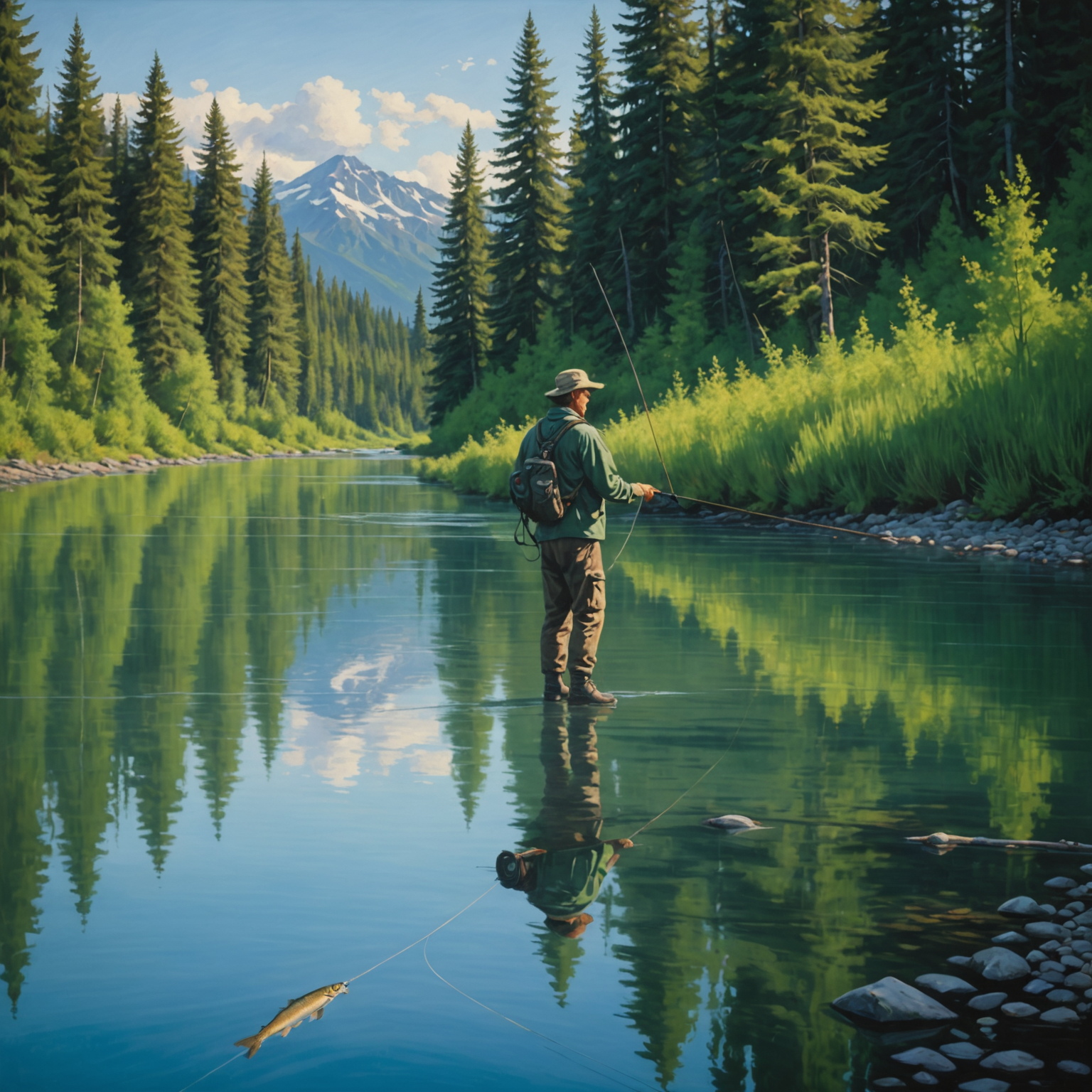
Alaska, renowned for its breathtaking landscapes and abundant wildlife, is a dream destination for salmon enthusiasts around the globe. The state’s sprawling rivers and icy waters provide the perfect habitat for five species of Pacific salmon: Chinook, Sockeye, Coho, Pink, and Chum. Understanding when is Alaska salmon season can significantly enhance the experience for anglers keen to make the most of their fishing expedition. This guide offers a detailed look into the seasonal patterns of these magnificent fish, providing insights into the optimal times to visit and fish in Alaska. For more detail, see official guidance.
The Salmon Species of Alaska
Alaska’s salmon species each have unique characteristics and preferred habitats, which determine their peak seasons. The Chinook, or King Salmon, is the largest and most prized, often drawing anglers to the region. Sockeye Salmon are famous for their vibrant red colour during spawning and are a favourite for culinary enthusiasts. Coho Salmon are known for their acrobatic prowess and aggressive behaviour, making them a challenging catch. Pink Salmon, the smallest, are abundant and have a two-year life cycle, while Chum Salmon are valued for their roe. For more detail, see further information.
Month-by-Month Run Timing. For more detail, see detailed advice.
May to June: The Early Season. For more detail, see planning resources.
The salmon season in Alaska typically kicks off in May and June, with the arrival of King Salmon. These months are ideal for early-bird anglers eager to catch a prize Chinook. Major rivers such as the Kenai and Kasilof are popular destinations during this time. As spring progresses, Sockeye Salmon start their run, adding another layer of excitement for visitors. For more detail, see local insights.
July: Peak of the Season
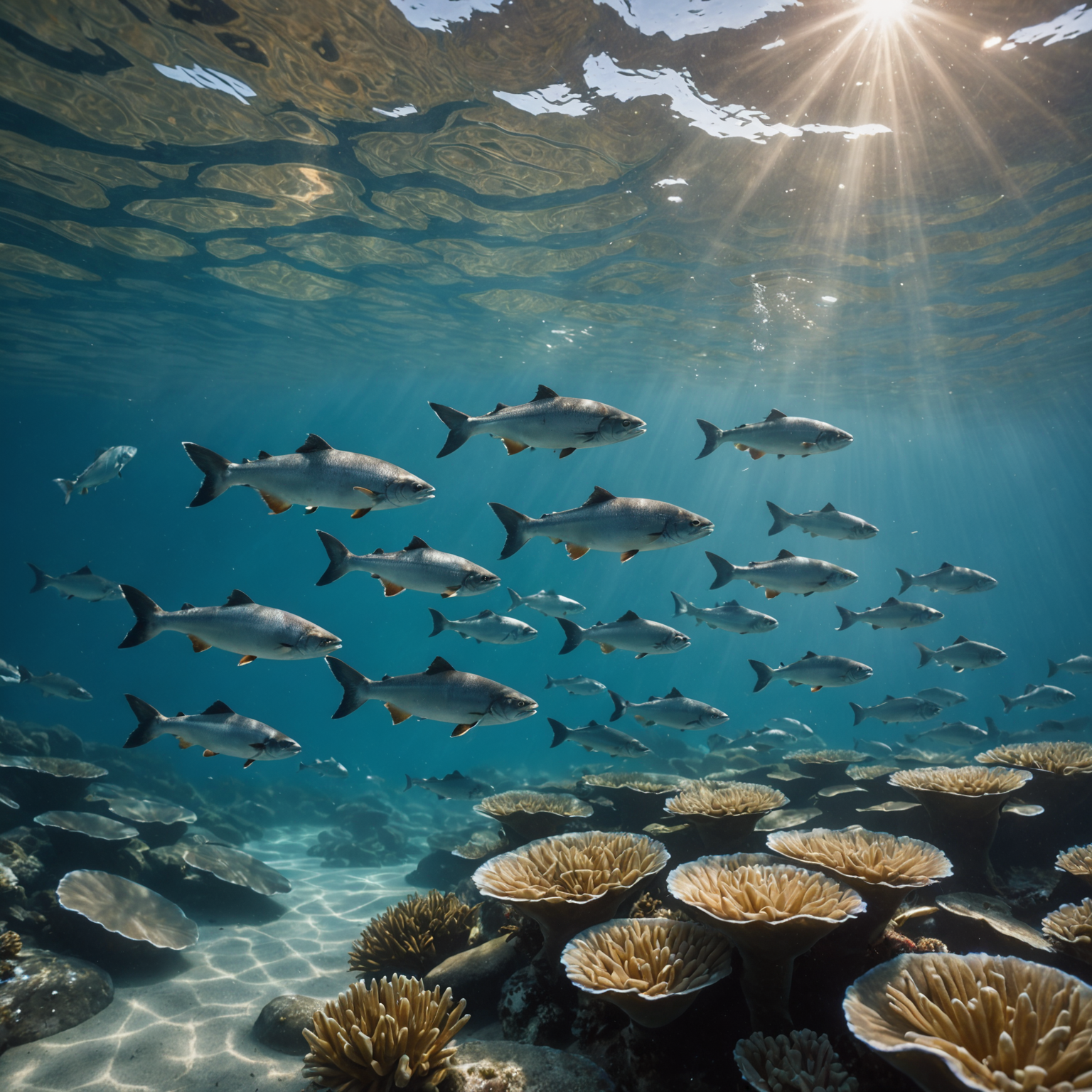
July marks the peak of the salmon season in Alaska. This month sees a convergence of all five salmon species, making it the most exciting time for fishing. Sockeye Salmon runs are in full swing, especially in the Bristol Bay area, which is known for its massive runs. Coho Salmon begin to appear, adding variety to the catch. The Alaskan Department of Fish and Game provides detailed updates on salmon run timings, helping anglers plan their trips efficiently.
August: Late Season Opportunities
In August, Coho Salmon become the primary target for anglers, especially in Southeast Alaska. Their energetic fights and larger sizes make them a favourite among sport fishermen. Pink Salmon, being on a two-year cycle, are particularly abundant in even-numbered years, making them an excellent option for family-friendly fishing trips. Chum Salmon also continue their run, providing ample opportunities for diverse catches.
September to October: The Final Runs
As autumn sets in, Coho Salmon remain the star of the show. Rivers such as the Sitka and Juneau offer some of the season’s best Coho fishing experiences. The salmon season gradually winds down in October, as most species complete their spawning cycles. This period can offer a more tranquil fishing experience, with fewer crowds and stunning fall scenery.
Regulations and Conservation
Fishing in Alaska requires adherence to specific regulations designed to preserve fish populations and ecosystems. Anglers must obtain the appropriate licences and adhere to catch-and-release practices where necessary. The Alaska Department of Fish and Game provides comprehensive guidelines and updates on fishing regulations, ensuring sustainable practices are followed.
Planning Your Fishing Trip
When planning a fishing trip to Alaska, consider factors such as location, timing, and desired fish species. Many anglers opt for guided tours to enhance their experience and increase their chances of success. Resources like Travel Alaska offer valuable insights into accommodation, travel logistics, and recommended fishing spots.
Conclusion
Understanding when is Alaska salmon season is crucial for anyone planning a fishing adventure in this magnificent region. With a variety of salmon species and breathtaking natural beauty, Alaska offers an unmatched experience for both novice and seasoned anglers. By aligning your visit with the peak run times and adhering to local regulations, you can ensure a successful and memorable fishing trip.
FAQ
When is the best time to fish for King Salmon in Alaska?
The best time to fish for King Salmon, also known as Chinook, is from mid-May to early July. The Kenai and Kasilof Rivers are particularly popular during this period.
What are the peak months for Sockeye Salmon runs?
Sockeye Salmon runs peak in July, especially in the Bristol Bay area, known for its large Sockeye populations.
Can I fish for salmon year-round in Alaska?
While the primary salmon season spans from May to October, some regions offer winter fishing opportunities, primarily targeting other species like Arctic Grayling.
What licences do I need for salmon fishing in Alaska?
Anglers need to acquire a sport fishing licence, available from the Alaska Department of Fish and Game, and adhere to specific regulations for each salmon species.
Are guided fishing trips recommended in Alaska?
Yes, guided fishing trips are highly recommended, especially for beginners. They provide expertise, equipment, and local knowledge, enhancing the overall fishing experience.
How do environmental factors affect salmon runs in Alaska?
Environmental factors such as water temperature, river flow, and seasonal changes can significantly impact salmon runs. Checking updates from NOAA and local resources can provide valuable insights.
What are some conservation efforts in place for salmon in Alaska?
Alaska implements various conservation measures, including catch limits, seasonal restrictions, and habitat preservation efforts, to ensure sustainable salmon populations.
Explore more about Alaska’s natural wonders and fishing opportunities on our articles page and about page. For more personalised advice, feel free to contact us.