
Introduction
Catching big salmon in Alaska is an exhilarating pursuit that draws anglers from around the world. Known for its breath-taking landscapes and abundant wildlife, Alaska offers some of the best salmon fishing opportunities on the planet. Whether you’re an experienced angler or a novice looking to hook your first big catch, this guide will provide you with the techniques and tips necessary to land a trophy salmon. From understanding salmon behaviour to selecting the right gear and techniques, we’ve got you covered. For more detail, see official guidance.
Understanding Salmon Behaviour
To successfully catch big salmon, it’s crucial to understand their behaviour and habitat. Salmon are migratory fish that travel from the ocean to freshwater rivers to spawn. Timing your trip to coincide with these migrations is key. In Alaska, the salmon run typically occurs from May to September, with different species peaking at different times. Check the Alaska Department of Fish and Game for specific run times and regulations. For more detail, see further information.
Salmon are most active during dawn and dusk, making these times ideal for fishing. They are also known to rest in deeper pools during the day, so targeting these areas can increase your chances of success. For a comprehensive understanding of salmon fishing locations, Travel Alaska offers detailed guides and maps. For more detail, see detailed advice.
Essential Gear for Catching Big Salmon
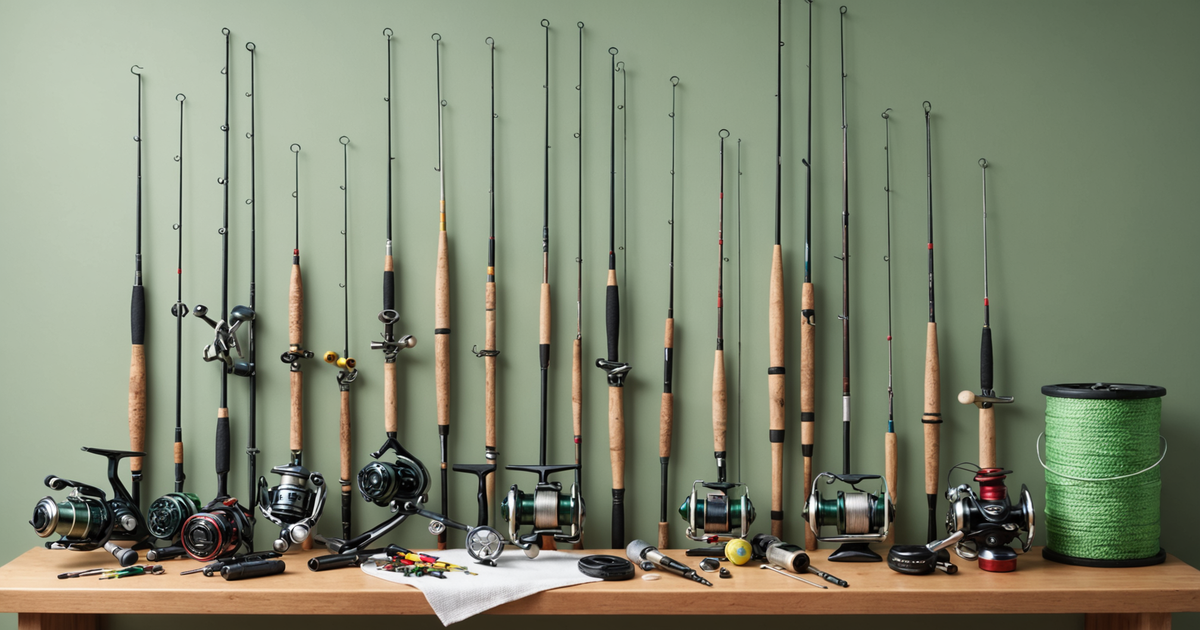
Selecting the right gear is essential when aiming to catch big salmon. A sturdy rod and reel, capable of handling the size and strength of salmon, is a must. We recommend using a medium-heavy rod with a fast action tip. For reels, a spinning reel with a high line capacity is advisable. For more detail, see planning resources.
Lures and Baits. For more detail, see local insights.
Using the correct lures and baits can significantly improve your chances of catching big salmon. Flashers and spinners are popular choices. They mimic the movement and appearance of small fish, attracting salmon. You can learn more about the top salmon flashers and how to use them effectively by visiting Alaska Adventure Guides.
Additionally, jigs are effective in both river and tidal environments. For expert tips on selecting the best salmon jigs, check out this guide.
Techniques for Catching Big Salmon
Fly Fishing
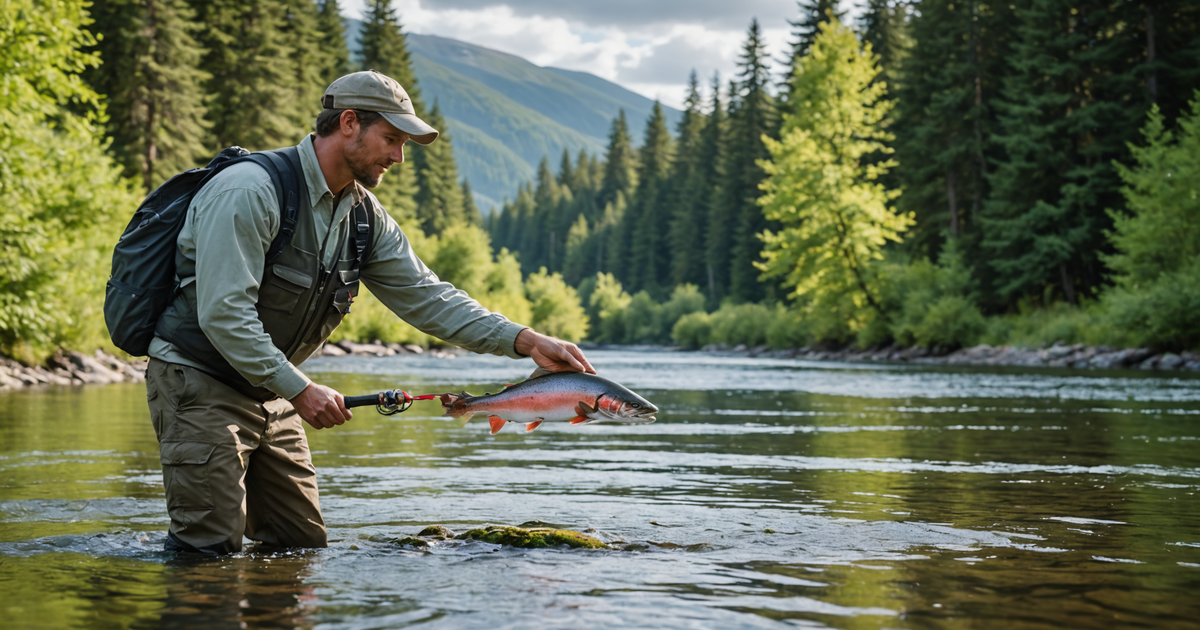
Fly fishing is a popular method for catching salmon in Alaska. It requires skill and precision, but the rewards are worth the effort. When fly fishing, it’s important to match the hatch by using flies that resemble the local insect life. This technique not only attracts salmon but also provides a more natural presentation.
Trolling
Trolling involves dragging lures or bait behind a moving boat. This technique covers a large area and is effective in both freshwater and saltwater environments. To maximise your success, consider the use of high-spin salmon spinners. These spinners create vibrations in the water that attract salmon from a distance. Learn more about high-spin spinners and their advantages here.
Drift Fishing
Drift fishing is ideal for river fishing. This method involves casting upstream and allowing your bait to drift naturally with the current. It’s a passive technique that requires patience but can be incredibly effective when done correctly.
Hiring a Guide
For those new to salmon fishing or unfamiliar with Alaskan waters, hiring a guide can be invaluable. Guides offer local expertise and knowledge, increasing your chances of landing a big catch. Companies like Fish Alaska Magazine provide detailed information on guided trips and the benefits they offer.
Sustainable Fishing Practices
Practising sustainable fishing is crucial to preserving Alaska’s natural beauty and ecosystem. Always adhere to local fishing regulations and consider catch-and-release methods for non-target species. For more on sustainable practices, visit Alaska Adventure Guides.
Conclusion
Catching big salmon in Alaska is an adventure like no other. With the right knowledge, gear, and techniques, you can make the most of your Alaskan fishing experience. Remember to respect the environment and follow local regulations to ensure that these waters remain a premier fishing destination for generations to come.
FAQ
What time of year is best for catching big salmon in Alaska?
The best time is during the salmon runs, which occur between May and September. Each salmon species peaks at different times, so plan accordingly.
Do I need a fishing licence to fish for salmon in Alaska?
Yes, a fishing licence is required. You can obtain one through the Alaska Department of Fish and Game.
What is the best technique for beginners to catch big salmon?
Trolling is a great technique for beginners. It covers a large area and is relatively easy to learn.
Can I hire a guide for salmon fishing in Alaska?
Absolutely, hiring a guide can enhance your experience by providing local expertise and increasing your chances of success.
What gear do I need for salmon fishing in Alaska?
You’ll need a medium-heavy rod, a spinning reel with high line capacity, and effective lures such as flashers and spinners.
Are there any regulations I should be aware of when fishing in Alaska?
Yes, always check the latest regulations from the Alaska Department of Fish and Game before heading out.
What should I do if I catch a species I wasn’t targeting?
Consider practising catch-and-release to help maintain ecological balance and support sustainable fishing efforts.