
Introduction
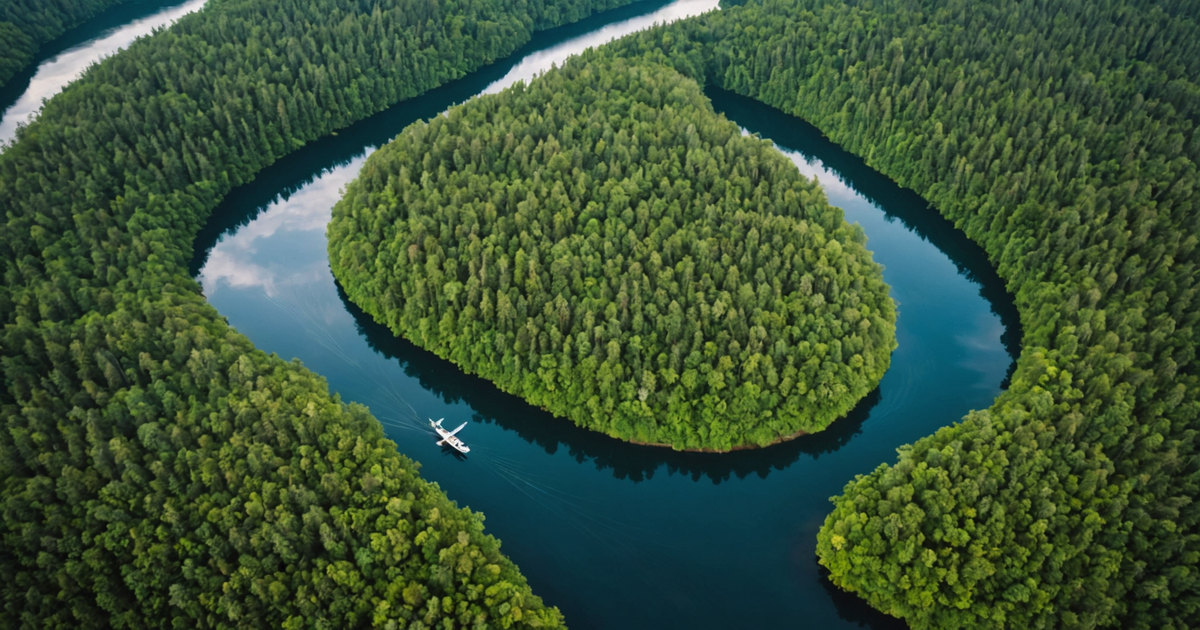
Alaska, the Last Frontier, is a paradise for anglers seeking the thrill of pike fishing. Known for its pristine waters and breathtaking landscapes, Alaska offers some of the best pike fishing experiences in the world. Whether you are an experienced angler or a novice eager to try your hand at fishing, the diverse ecosystems found here promise rewarding adventures. This guide will delve into the best pike fishing in Alaska, providing insights on prime locations, optimal seasons, and expert tips to ensure a successful fishing trip. With the added benefit of booking a guided excursion, you can enhance your experience, making it both memorable and fulfilling. For more detail, see official guidance.
Prime Locations for Pike Fishing in Alaska
Minto Flats. For more detail, see further information.
One of the most renowned destinations for pike fishing in Alaska is Minto Flats. Located just west of Fairbanks, this vast wetland area is a haven for northern pike. The interconnected lakes and rivers provide an ideal habitat, allowing the pike population to thrive. Anglers can explore the area via small boats or opt for guided tours, which often include tips on the best tackle and techniques to use. To plan your excursion in this region, consider exploring Alaska Adventure Guides’ destinations for additional outdoor activities. For more detail, see detailed advice.
Susitna River. For more detail, see planning resources.
The Susitna River is another prime spot for pike fishing. Located in Southcentral Alaska, the river boasts a robust population of northern pike, particularly in its backwaters and sloughs. It is advised to visit during the summer months when the pike are actively feeding. For those interested in combining their fishing trip with other activities, the Matanuska Glacier excursion offers a unique opportunity to explore the stunning Alaskan glaciers. For more detail, see local insights.
Innoko River
The Innoko River, situated in the remote western part of the state, is less accessible but offers an unparalleled fishing experience. Known for its trophy-sized pike, the river is best accessed via floatplane, adding an element of adventure to the journey. Due to its remote location, it is recommended to book a guided trip with local experts who are familiar with the area’s fishing regulations. The Alaska Department of Fish and Game provides detailed information on fishing rules and regulations to ensure compliance and conservation.
Optimal Seasons and Techniques
When to Fish
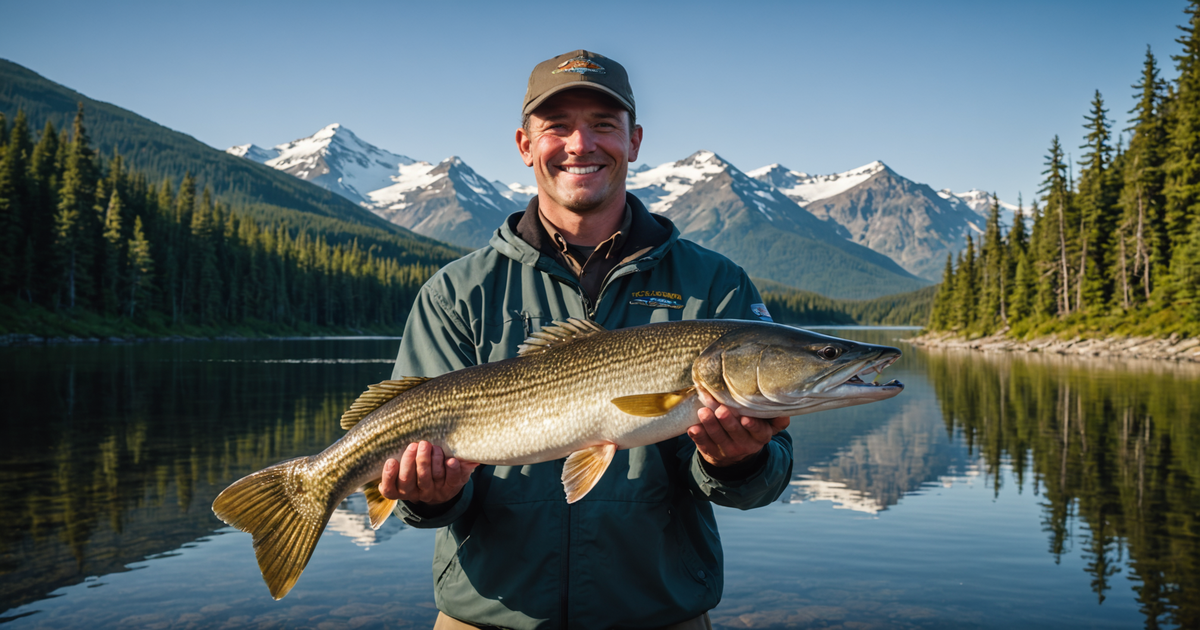
The best time for pike fishing in Alaska is during the late spring through early autumn. In the spring, as the ice melts, pike move into shallow waters to spawn, making them more accessible to anglers. Summer months offer longer daylight hours, providing ample time to explore different fishing spots. Fall, although colder, can be equally rewarding as pike prepare for the winter months, increasing their feeding activity.
Effective Techniques
Successful pike fishing requires the right combination of techniques and equipment. Using best float fishing rigs for clear water can significantly enhance your chances of landing a catch. Lures such as spoons, spinners, and soft baits are popular choices among local anglers. Additionally, employing a slow retrieve method can entice pike that are lying in wait for prey.
Conservation and Sustainable Practices
Pike fishing in Alaska is not only about the thrill of the catch but also about sustainability. Engaging in sustainable practices ensures that the ecosystem remains healthy for future generations. Practising catch-and-release, respecting bag limits, and using barbless hooks are just a few ways anglers can contribute to conservation efforts.
Guided Pike Fishing Tours
Booking a guided fishing tour can elevate your experience by providing local expertise and ensuring you visit the most productive fishing spots. Companies like Alaska Adventure Guides offer tailored excursions that cater to all skill levels. These tours not only provide the necessary equipment but also offer insights into the region’s unique ecology and culture.
Conclusion
Alaska’s vast and varied landscapes offer some of the best pike fishing opportunities in the world. From the expansive Minto Flats to the remote Innoko River, each location presents its own set of challenges and rewards. By understanding the optimal seasons, employing effective fishing techniques, and participating in guided tours, anglers can ensure a successful and sustainable fishing experience. Book your trip today and embark on an unforgettable adventure in the heart of the Alaskan wilderness.
FAQ
What is the best time of year for pike fishing in Alaska?
The optimal time for pike fishing in Alaska is from late spring to early autumn. During these months, pike are actively feeding, providing better chances for a successful catch.
Do I need a fishing licence to fish for pike in Alaska?
Yes, a valid fishing licence is required for all anglers in Alaska. You can obtain one through the Alaska Department of Fish and Game.
What equipment is recommended for pike fishing?
Using medium to heavy rods with sturdy reels is advisable for pike fishing. Lures such as spoons, spinners, and soft baits are effective in attracting pike.
Are there guided pike fishing tours available in Alaska?
Yes, there are numerous guided tours available that provide equipment, local expertise, and access to prime fishing spots. Consider booking with Alaska Adventure Guides for a comprehensive experience.
Can I practise catch-and-release fishing for pike in Alaska?
Yes, practising catch-and-release is encouraged to promote sustainability and conservation. Ensure you handle the fish carefully to minimise stress and injury.
What other outdoor activities can I enjoy in Alaska?
Alaska offers a plethora of outdoor activities, from glacier tours and hiking to snowmobile adventures. Exploring the state’s diverse landscapes is an adventure in itself.
How can I prepare for remote fishing trips in Alaska?
Planning is crucial for remote fishing trips. Ensure you have adequate supplies, check weather conditions via NOAA, and consider booking a guided tour for safety and convenience.