
Introduction
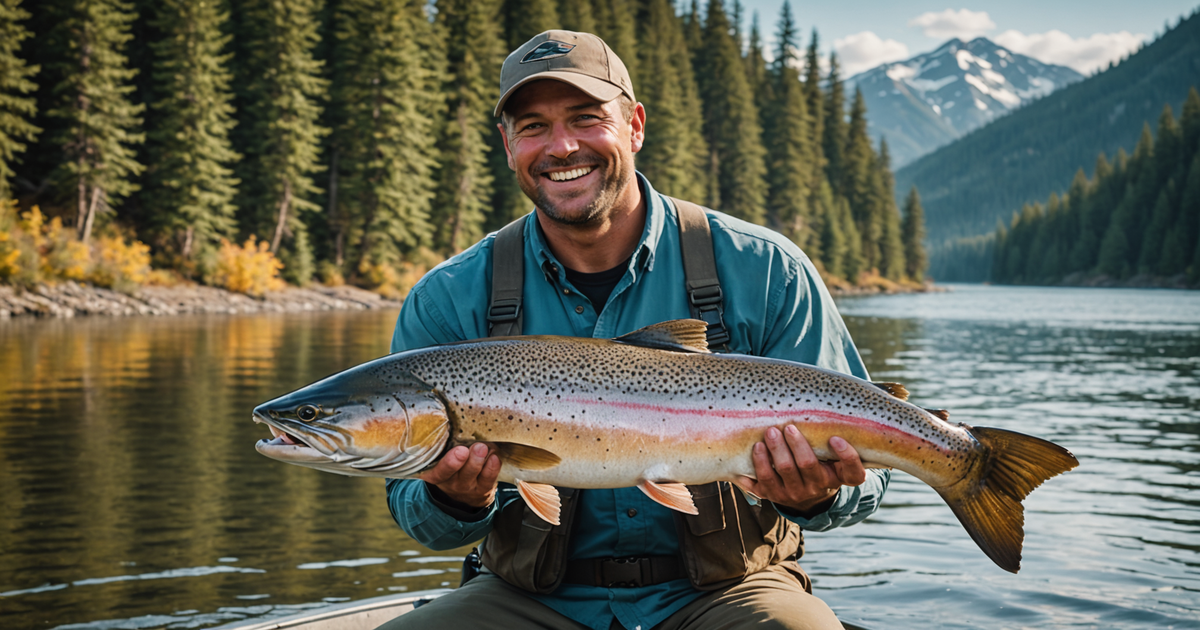
The thrill of catching the biggest salmon ever is a dream many anglers hold dearly. Known for their incredible size and fight, these fish are the crown jewels of the fishing world. Alaska, with its expansive and pristine waters, offers some of the best opportunities to catch these legendary creatures. This blog will explore tales of record-breaking salmon, delve into the best techniques to catch them, and guide you on how to fish the legendary waters of Alaska with expert Anchorage-based guides. For more detail, see official guidance.
Record-Breaking Salmon Tales
The world of fishing is replete with tales of monstrous salmon, each story more fascinating than the last. The biggest salmon ever caught was a Chinook or king salmon, weighing a staggering 126 pounds, caught in the Kenai River, Alaska. This record, set in 1985 by Les Anderson, still stands today, showcasing the potential of Alaska’s waters. For more detail, see further information.
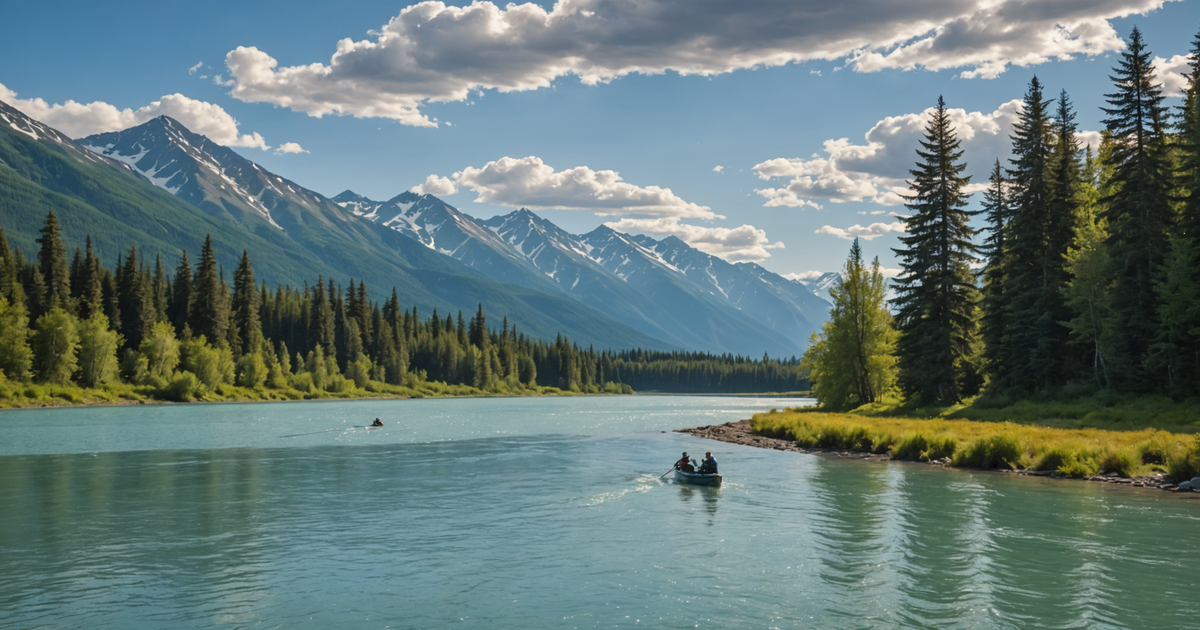
Salmon fishing in Alaska isn’t just about the potential for record-breaking catches; it’s also about the experience. The Kenai Peninsula, for example, is renowned for its breathtaking scenery and abundant wildlife, making it a prime spot for anglers seeking adventure. For more detail, see detailed advice.
Understanding Salmon Species in Alaska
Alaska’s waters host five main species of salmon: Chinook, Coho, Sockeye, Pink, and Chum. Each species has its unique characteristics and preferred habitats. The Chinook, or king salmon, is the largest and most sought-after, known for its size and strength. Coho salmon are prized for their acrobatic fights, while Sockeye salmon are valued for their rich, red meat. For more detail, see planning resources.
Fishing for these different species requires distinct techniques and gear. For instance, using the right salmon flashers can significantly increase your chances of a successful catch. For more detail, see local insights.
Best Locations to Catch Big Salmon in Alaska
Alaska’s diverse waterways offer numerous opportunities for salmon fishing. The Kenai River is undoubtedly the most famous, but other locations like the Kasilof River and the waters around Anchorage provide excellent fishing experiences.
The Kasilof River, in particular, is a lesser-known gem that offers a quieter, more intimate fishing experience. Whether you’re a seasoned angler or a novice, having a knowledgeable guide can make all the difference. Anchorage-based guides are well-equipped to navigate these waters, ensuring you have the best chance at landing a trophy salmon.
Techniques for Catching the Biggest Salmon
Catching a large salmon requires skill, patience, and the right equipment. Techniques such as trolling, fly fishing, and drift fishing are popular among anglers. Each method has its advantages, depending on the location and type of salmon you’re targeting.
Using the best salmon hooks is crucial for ensuring a solid hook-up, especially when dealing with larger fish. Additionally, understanding the behaviour and patterns of salmon during different seasons can significantly enhance your chances of success.
Planning Your Alaska Salmon Fishing Adventure
Planning a fishing trip to Alaska requires careful consideration of the best times to visit, necessary permits, and appropriate gear. The best time for salmon fishing in Alaska is typically from May to September, with peak seasons varying by species and location. It’s essential to familiarize yourself with Alaska’s fishing regulations to ensure a legal and enjoyable fishing experience.
For those new to Alaskan fishing, exploring guided tours can be incredibly beneficial. Local experts provide valuable insights into the best fishing spots, techniques, and the local ecosystem. Whether you choose a guided fishing tour or a self-guided adventure, Alaska promises an unforgettable experience.
Conclusion
Fishing for the biggest salmon ever in Alaska is more than just a pursuit of records; it’s an adventure into some of the most beautiful and untouched natural landscapes in the world. With the right preparation, guidance, and a bit of luck, you could find yourself telling the next great salmon story. Whether you’re aiming for a trophy Chinook or experiencing the thrill of the catch, Alaska’s legendary waters await.
FAQ
1. What is the biggest salmon ever caught?
The biggest salmon ever caught was a Chinook salmon weighing 126 pounds, caught in the Kenai River, Alaska, in 1985.
2. What are the best techniques for catching salmon in Alaska?
Popular techniques include trolling, fly fishing, and drift fishing. Using high-quality salmon spinners and hooks can improve your success.
3. When is the best time to fish for salmon in Alaska?
The prime fishing season is from May to September, with peak times varying depending on the salmon species and location.
4. What permits do I need for salmon fishing in Alaska?
You will need an Alaska fishing licence, which you can obtain through the Alaska Department of Fish and Game.
5. Are there guided fishing tours available in Alaska?
Yes, there are numerous guided fishing tours available, offering expert guidance and local knowledge to enhance your fishing experience.
6. What species of salmon can be found in Alaska?
Alaska hosts five main salmon species: Chinook, Coho, Sockeye, Pink, and Chum.
7. What gear is essential for salmon fishing in Alaska?
Essential gear includes quality rods, reels, lines, hooks, and effective salmon jigs. Suitable attire and safety equipment are also crucial.
8. Can I fish for salmon in areas around Anchorage?
Yes, the areas around Anchorage provide excellent salmon fishing opportunities, with local guides available to enhance your experience.