
Introduction
Fishing salmon in Alaska is an experience unlike any other, offering angling enthusiasts the chance to engage with nature in one of the world’s most pristine environments. From the icy rivers to the breathtaking coastlines, Alaska promises an unforgettable adventure for both seasoned anglers and beginners alike. With guided trips available from Anchorage, this journey is as exhilarating as it is educational. This blog post will guide you through the best locations, seasons, and tips for fishing salmon in Alaska, ensuring your trip is both successful and memorable. For more detail, see official guidance.
Best Locations for Salmon Fishing in Alaska
Alaska is renowned for its diverse fishing spots, each offering unique challenges and rewards. The Kenai River, famous for its large King Salmon, is a must-visit for any angler. Known for producing record-breaking catches, it’s a hotspot for those seeking a thrilling fishing experience. The Kasilof River is another excellent option, especially for first-timers. Its gentle waters make it ideal for those new to salmon fishing. For more detail, see further information.
For those willing to venture further afield, the Kodiak Archipelago offers stunning scenery and a variety of salmon species. Meanwhile, the deep waters of Prince William Sound provide opportunities to catch Coho and Sockeye Salmon amidst stunning mountainous backdrops. Each of these locations offers unique fishing experiences, ensuring that there’s something for everyone. For more detail, see detailed advice.
Peak Seasons for Salmon Fishing
Understanding the peak seasons for salmon is crucial for planning your trip. The King Salmon, also known as Chinook, is typically caught from late May to early July. Sockeye Salmon, on the other hand, are most abundant from mid-June to mid-August. The Coho Salmon, or Silver Salmon, can be found from late July through September. Timing your visit to coincide with these peak seasons will greatly enhance your chances of a successful catch. For more detail, see planning resources.
To ensure compliance with local regulations, it’s important to check the latest fishing regulations from the Alaska Department of Fish and Game. These guidelines will provide information on catch limits, fishing methods, and conservation efforts in place to protect Alaska’s rich aquatic life. For more detail, see local insights.
Guided Fishing Trips
For those new to the region or to salmon fishing, guided trips offer invaluable support and expertise. Alaska Adventure Guides provide comprehensive packages that cater to all skill levels. Their local knowledge ensures that you’re fishing in the best spots at the right times, maximising your chances of a successful trip.
Guided trips also often include all necessary equipment, removing the hassle of sourcing and transporting gear. This allows you to focus entirely on the experience, absorbing the beauty of Alaska and the thrill of the catch.
Essential Gear for Salmon Fishing
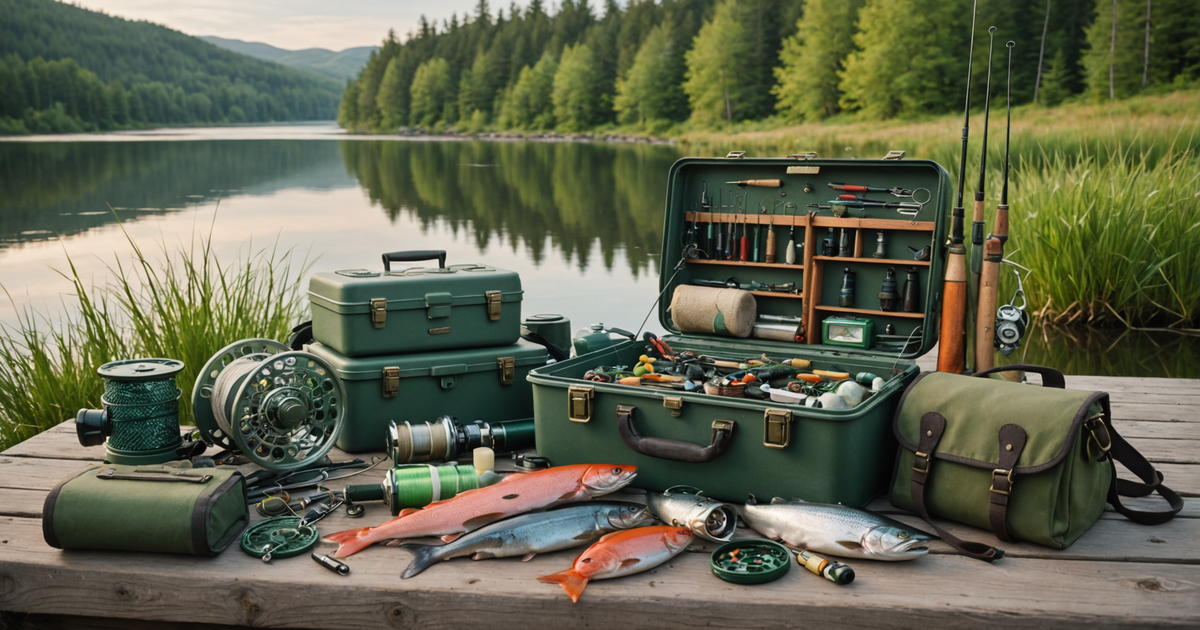
Proper gear is essential for a successful fishing trip. High-quality rods and reels designed for heavy-duty use are recommended, as salmon are known for their strength and fight. Investing in durable fishing clippers will also ensure efficient handling of your catch.
Waders are a must for river fishing, providing comfort and mobility in cold waters. Layered clothing is advisable, given Alaska’s unpredictable weather, alongside a reliable waterproof jacket. Don’t forget to pack sun protection, as the reflective waters can intensify UV exposure.
Conservation and Responsible Fishing
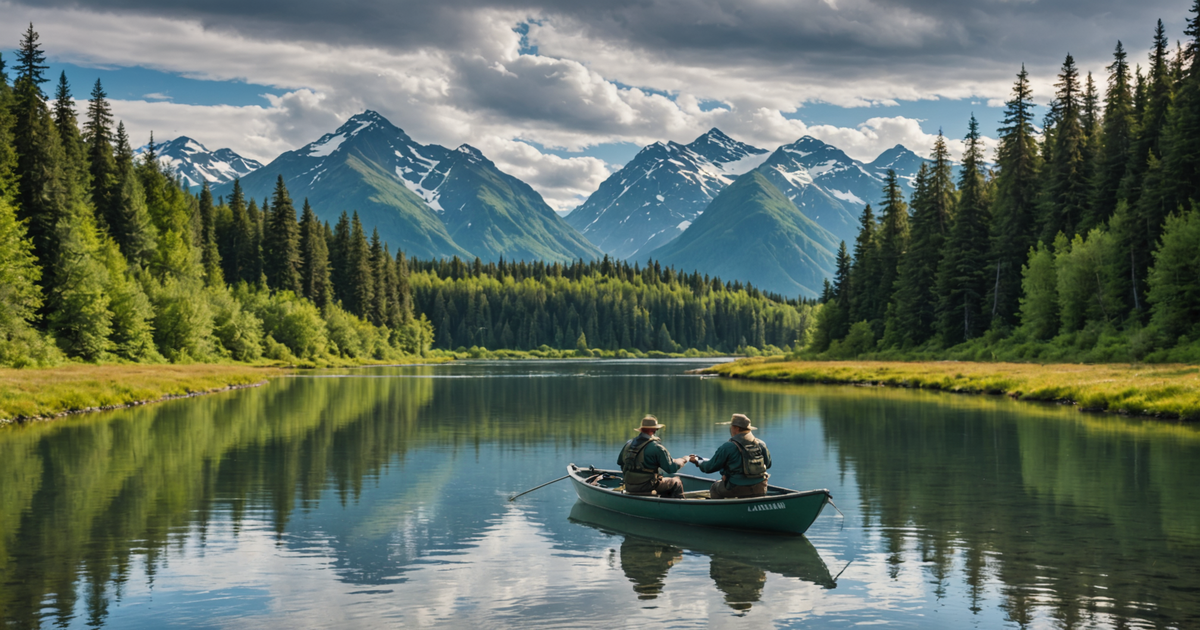
Fishing in Alaska is not just about the catch; it’s also about respecting the environment and preserving it for future generations. Adhering to the Leave No Trace principles is essential, as is following all local fishing regulations. These measures help maintain the delicate balance of Alaska’s ecosystems and ensure that the region remains a premier fishing destination.
Engaging with local conservation efforts, such as those supported by the Alaska Department of Fish and Game, can also enrich your understanding and appreciation of Alaska’s natural resources.
Planning Your Trip
Planning a fishing trip to Alaska requires attention to detail. Begin by deciding the regions you wish to visit and align your travel dates with the peak salmon seasons. Booking accommodations and guided tours in advance is recommended, especially during the busy summer months. For comprehensive travel insights, Travel Alaska provides excellent resources to help you plan your itinerary.
Consider incorporating other outdoor activities into your trip to fully experience the Alaskan wilderness. Options such as glacier tours and snowmobile adventures can complement your fishing itinerary, offering a well-rounded adventure.
Conclusion
Fishing salmon in Alaska is an unparalleled adventure that combines sport, nature, and serenity. Whether you are a novice or a seasoned angler, the opportunities for exploration and discovery are endless. With the right preparation and guidance, your Alaskan fishing trip can become a cherished memory. Book your experience today and immerse yourself in the wild beauty of Alaska.
FAQ
1. What is the best time of year to fish for salmon in Alaska?
The best time for salmon fishing varies by species. King Salmon are typically best caught from late May to early July, Sockeye from mid-June to mid-August, and Coho from late July through September.
2. Do I need a fishing licence to fish in Alaska?
Yes, a valid fishing licence is required for all anglers. You can obtain one through the Alaska Department of Fish and Game.
3. What should I bring on a salmon fishing trip?
Essential items include a quality rod and reel, waders, layered clothing, sun protection, and a waterproof jacket. Guided tours often provide equipment, so check what’s included.
4. Are guided fishing trips worth it?
Absolutely. Guided trips offer expert local knowledge, equipment, and access to prime fishing spots, enhancing your overall experience.
5. Can beginners fish for salmon in Alaska?
Yes, beginners are welcome, especially when joining a guided tour that provides instruction and support tailored to all skill levels.
6. How can I practice responsible fishing?
Follow local regulations, adhere to Leave No Trace principles, and engage with conservation efforts to ensure the sustainability of Alaska’s fishing environment.
7. What other activities can I do in Alaska besides fishing?
Alaska offers a wide range of activities such as glacier tours, hiking, and wildlife viewing, making it a versatile destination for adventure seekers.
8. How do I book a guided fishing tour in Alaska?
You can book through reputable providers such as Alaska Adventure Guides, who offer a variety of options to suit all preferences and budgets.