
Introduction
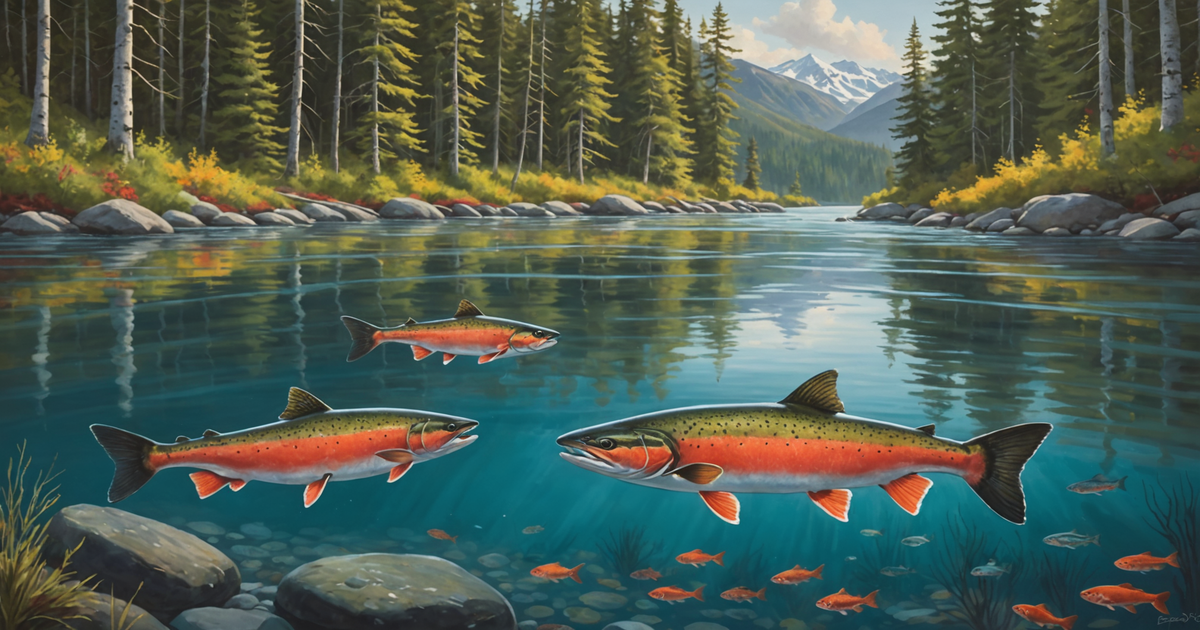
Alaska, renowned for its breathtaking landscapes and rich biodiversity, is a haven for fishing enthusiasts. Among the many treasures the state offers are its salmon species, which thrive in the cold, pristine waters. Fishing for these iconic fish is not only a popular pastime but also an integral part of Alaskan culture and cuisine. This blog post will explore the different kinds of salmon in Alaska, providing insights into their unique characteristics and the best ways to fish for them. For more detail, see official guidance.
The Five Main Species of Salmon in Alaska
Alaska is home to five primary species of salmon, each with distinct traits and habitats. Understanding these differences is crucial for anglers aiming to maximise their fishing expeditions. For more detail, see further information.
King Salmon (Chinook). For more detail, see detailed advice.
King Salmon, or Chinook, are the largest of the Pacific salmon species. Known for their rich flavour and substantial size, they can weigh over 50 pounds. King Salmon are a prized catch for sport fishers, especially during the peak fishing season from May to July. Their migratory patterns take them through major rivers like the Yukon and the Kenai, making these locations ideal spots for fishing. For more detail, see planning resources.
Sockeye Salmon (Red). For more detail, see local insights.
Sockeye Salmon, distinguished by their vibrant red colour, are among the most sought-after for their firm texture and rich taste. They typically inhabit the Bristol Bay area and are known for their remarkable spawning migrations. Fishing for Sockeye is best during the summer months, particularly in June and July, when they are abundant in Alaskan waters.
Coho Salmon (Silver)
Coho Salmon, or Silver Salmon, are popular for their acrobatics and spirited fight when hooked. Weighing between 8-12 pounds on average, they are appreciated for their mild flavour. Coho can be found in coastal waters and rivers during late summer and early autumn.
Pink Salmon (Humpy)
Pink Salmon, also known as Humpies due to the distinctive hump that male salmon develop during spawning, are the most abundant and smallest of the Alaskan salmon species. Despite their smaller size, they are an essential part of Alaska’s commercial fishing industry. Fishing for Pink Salmon peaks in even-numbered years, particularly around Prince William Sound.
Chum Salmon (Dog)
Chum Salmon, or Dog Salmon, are known for their large canine-like teeth and substantial size. While less popular for sport fishing due to their lower oil content, they are valued for their roe. Anglers can find Chum Salmon in the Yukon and Kuskokwim rivers, primarily during July and August.

Best Practices for Salmon Fishing in Alaska
Fishing for salmon in Alaska requires both knowledge and preparation. Here are some expert tips to enhance your fishing experience:
-
Timing is Key: Each salmon species has a specific season when they are most abundant. Understanding these patterns, as detailed in our guide on when is Alaska salmon season really, can significantly improve your chances of a successful catch.
-
Regulations and Permits: Familiarise yourself with the Alaska Department of Fish and Game regulations to ensure compliance with local laws. Permits are mandatory, and regulations vary depending on the area and species.
-
Tackle and Gear: Selecting the right tackle is crucial. High-quality salmon spinners and jigs can make a significant difference in attracting these fish. The best salmon jigs for rivers and tides are designed to mimic the natural prey of salmon.
-
Hiring a Guide: For those new to the area or seeking to maximise their catch, hiring a local guide can be invaluable. Guided tours, such as all guided fishing tours, provide insights into local hotspots and techniques.
The Role of Salmon in Alaskan Culture and Economy
Salmon are not only crucial to the ecosystem but also to the culture and economy of Alaska. They play a vital role in the subsistence lifestyle of many indigenous communities and are a staple in Alaskan cuisine. The state’s commercial fishing industry heavily relies on salmon, contributing significantly to the local economy.
Moreover, salmon fishing attracts tourists from around the globe, boosting the state’s tourism sector. Planning your fishing trip to Alaska can be an unforgettable experience, offering both adventure and a deep connection with nature.
Conclusion
Exploring the different kinds of salmon in Alaska offers a unique insight into the state’s natural heritage and fishing traditions. Whether you’re an experienced angler or a novice, understanding the characteristics of these five salmon species can enhance your fishing adventures and appreciation of Alaska’s wilderness. For those interested in further deepening their culinary experience, exploring Alaskan cuisine can be equally rewarding.
FAQ
What is the best time to fish for salmon in Alaska?
The peak season for salmon fishing varies by species, but generally, the best times are from May to September.
Do I need a permit to fish for salmon in Alaska?
Yes, a fishing permit is required, which can be obtained through the Alaska Department of Fish and Game.
What gear is recommended for salmon fishing in Alaska?
Using quality gear such as high-spin salmon spinners and appropriate jigs can improve your catch rate.
Can I fish for salmon in Alaska year-round?
While some species may be present year-round, the best fishing occurs during their respective runs, primarily from late spring to early autumn.
Are there any restrictions on salmon fishing in Alaska?
Yes, regulations vary by region and species. It is essential to check the latest regulations before planning your trip.
What are some popular fishing locations for salmon in Alaska?
The Kenai River, Bristol Bay, and Prince William Sound are among the most popular locations for salmon fishing.
How important are salmon to Alaska’s economy?
Salmon are crucial to Alaska’s economy, supporting both commercial and subsistence fisheries, and attracting tourism.
What makes Alaskan salmon unique compared to other regions?
Alaskan salmon are renowned for their pristine habitat, resulting in exceptional quality and flavour, making them a coveted catch worldwide.