
Introduction
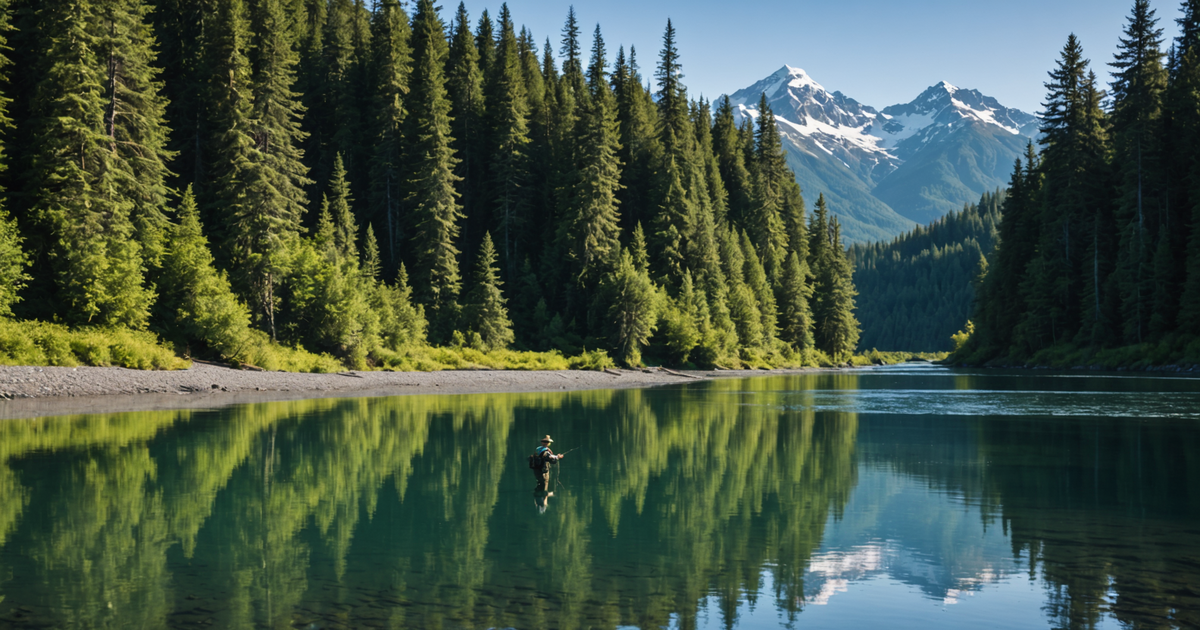
The Russian River in Alaska is renowned for its exceptional salmon runs, drawing anglers from around the globe eager to experience this natural spectacle. This vibrant ecosystem supports a thriving salmon population, providing ample opportunities for fishing enthusiasts. Understanding the timing and characteristics of the Russian River salmon run is crucial for planning a successful trip. This guide will delve into the details of the salmon run, offer insights into alternative guided trips if necessary, and provide helpful resources for a fulfilling Alaskan adventure. For more detail, see official guidance.
Timing and Characteristics of the Russian River Salmon Run
The Russian River hosts two primary salmon runs: the early run of sockeye salmon (Oncorhynchus nerka) and the late run. The early run typically occurs from mid-June to early July, while the late run extends from mid-July through to the end of August. During these periods, thousands of salmon make their way upstream to spawn, creating an exhilarating environment for anglers. For more detail, see further information.
Sockeye salmon are known for their vibrant red bodies and green heads during spawning, making them a striking sight against the river’s clear waters. Understanding the specific timing of these runs can significantly impact the success of your fishing expedition. For the most current information on salmon run timing, consult the Alaska Department of Fish and Game and NOAA Fisheries. For more detail, see detailed advice.
Fishing Regulations and Sustainable Practices
Fishing in Alaska, particularly during the salmon run, is subject to specific regulations to ensure the sustainability of the fish populations. Anglers must adhere to guidelines regarding catch limits, gear restrictions, and designated fishing areas. For detailed regulations, refer to the Alaska Department of Fish and Game’s Sport Fishing Regulations. For more detail, see planning resources.
Practising sustainable fishing is crucial to preserving Alaska’s natural resources. Adopting catch-and-release techniques, using barbless hooks, and respecting wildlife and habitat are essential components of responsible angling. For more information on sustainable practices, visit the Leave No Trace Centre for Outdoor Ethics. For more detail, see local insights.
Alternative Guided Alaska Trips
If the salmon run is not aligning with your travel plans or if you’re seeking a diverse Alaskan adventure, consider exploring alternative guided trips. Alaska offers numerous outdoor activities, from glacier tours to dog sledding. Alaska Adventure Guides provides a range of options, including dog sledding tours and snowmobile adventures.
Fishing enthusiasts can also explore other species and locations. The best time to catch halibut in Alaska overlaps with the salmon season, offering an exciting alternative for anglers.
Essential Gear for the Russian River
Equipping yourself with the right gear is vital for a successful fishing trip. Quality fishing rods, reels, and tackle designed specifically for salmon fishing can enhance your experience. Check out the top salmon flashers for more strikes and best salmon jigs for effective fishing.
Investing in practical attire and accessories, such as waterproof clothing, durable boots, and fishing mugs for those early morning sessions, can make your adventure more comfortable. Discover more about essential fishing gear to prepare adequately for your trip.
Planning Your Trip
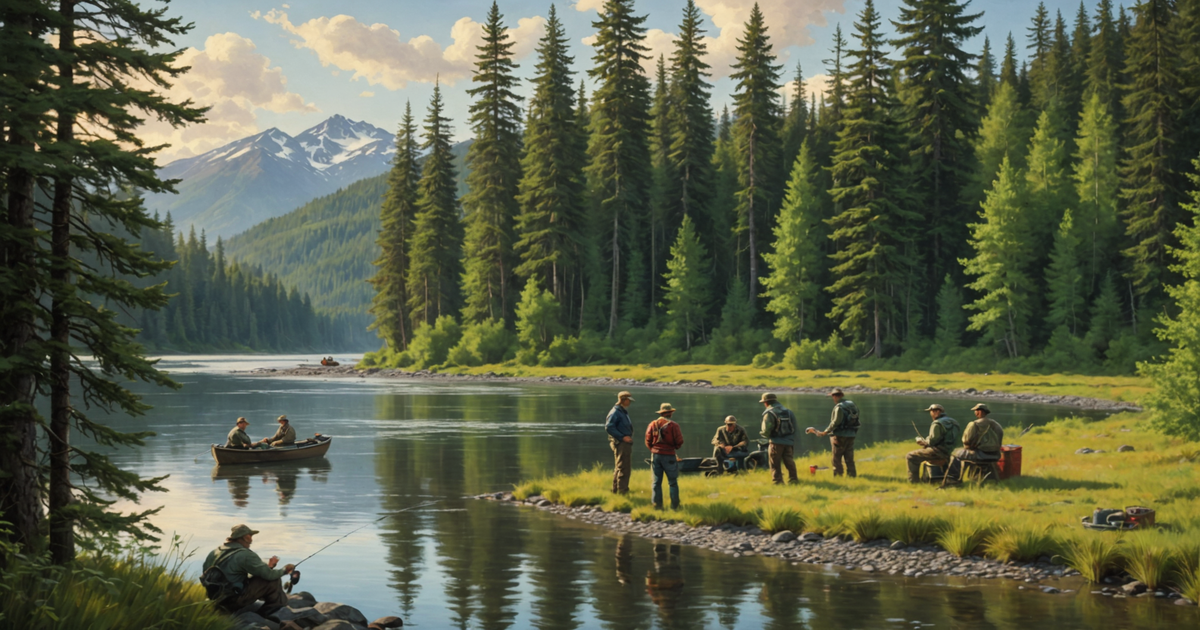
Planning a trip to coincide with the salmon run requires careful consideration of travel logistics, accommodation, and local amenities. Websites like Travel Alaska and TripAdvisor offer valuable insights and reviews to help you make informed decisions.
Consider booking a guided fishing charter for a more tailored experience. Local guides possess invaluable knowledge of the river, salmon behaviour, and optimal fishing spots. For more information on planning your fishing adventure, refer to My Alaskan Fishing Trip.
Conclusion
The Russian River salmon run is a remarkable natural event that offers unparalleled fishing opportunities in a stunning Alaskan setting. By understanding the timing, regulations, and best practices, you can optimise your experience and contribute to the sustainable management of this precious resource. Whether you choose to partake in the salmon run or explore alternative guided adventures, Alaska promises an unforgettable journey.
FAQ
What is the best time to witness the Russian River salmon run?
The salmon run on the Russian River typically occurs from mid-June to the end of August, with the early sockeye run beginning in mid-June and the late run continuing through August.
Are there any restrictions on fishing during the salmon run?
Yes, there are specific regulations concerning catch limits, gear, and designated fishing areas. Consult the Alaska Department of Fish and Game for detailed information.
What gear is recommended for salmon fishing on the Russian River?
Invest in quality fishing rods, reels, and tackle designed for salmon. Consider using barbless hooks and appropriate lures such as flashers and jigs. Visit our fishing gear guide for recommendations.
Can I take a guided tour if the salmon run doesn’t align with my schedule?
Absolutely! Explore alternative activities such as dog sledding and glacier tours.
How can I ensure a sustainable fishing experience?
Practice catch-and-release, use barbless hooks, and respect local wildlife and habitats. For more sustainable practices, visit Leave No Trace.
Where can I find the latest updates on salmon run timing?
Stay informed by checking resources like NOAA Fisheries and the Alaska Department of Fish and Game.
What other fish can I target in Alaska during the salmon run season?
Consider fishing for halibut during your trip. Learn about the best time to catch halibut in Alaska.
Are there any recommended local resources for planning my trip?
For comprehensive travel guides and local insights, visit Travel Alaska and TripAdvisor.